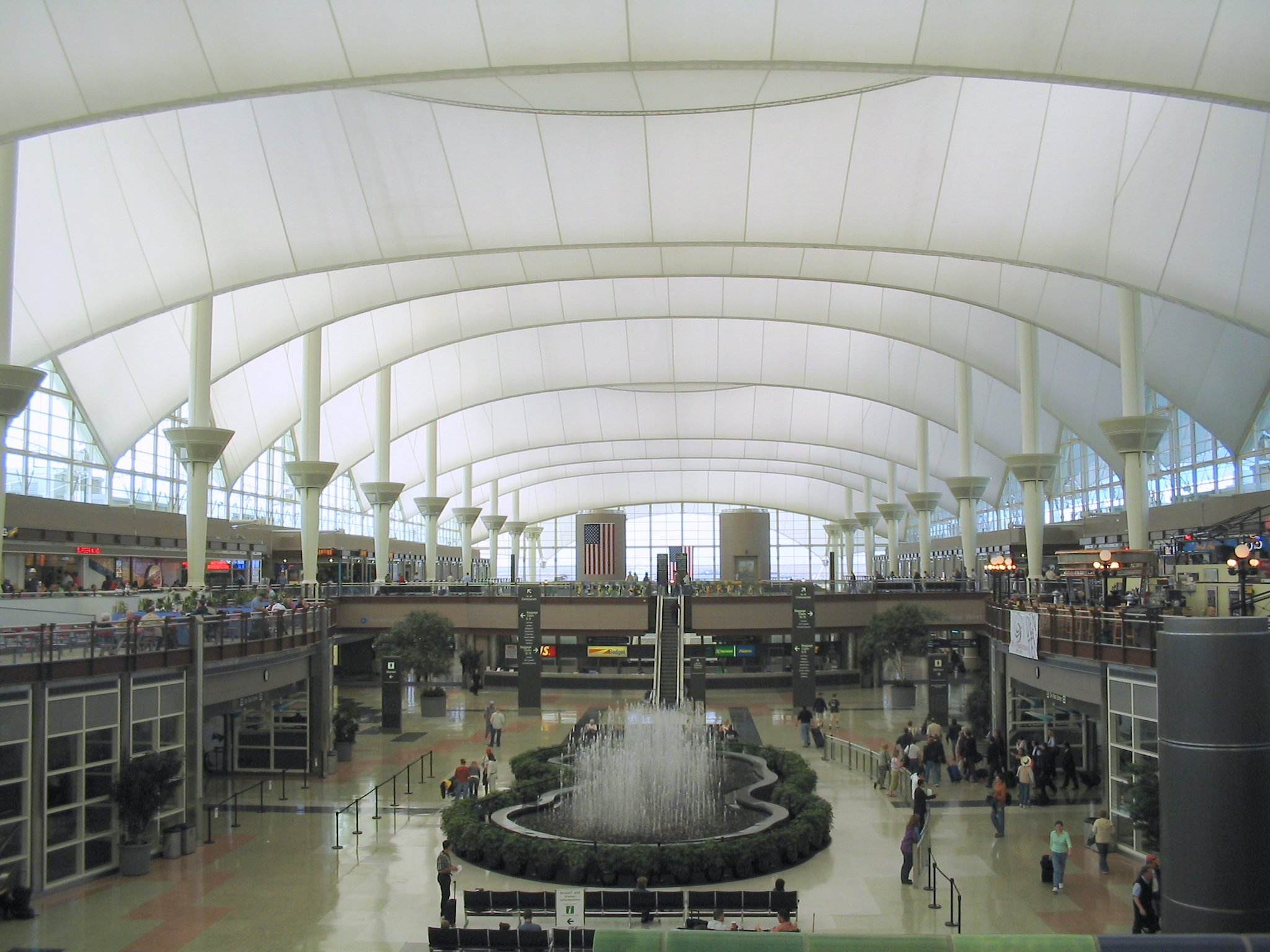
The National Weather Service issued winter storm warnings for the Denver metropolitan area and parts of Iowa on Tuesday [1, 2].
These alerts signal a period of hazardous travel and potential infrastructure disruptions as turbulent weather patterns move across the U.S. The combination of heavy snowfall and extreme wind speeds often leads to whiteout conditions, making road travel dangerous for commuters and commercial transport.
In the Denver area, the winter storm warning went into effect at 8 p.m. on Tuesday [1]. Forecasters expect several inches of snow to accumulate overnight into the morning [1]. The timing suggests that Wednesday morning commutes in the Colorado region may be significantly impacted by the snowfall.
Simultaneously, a blizzard warning has been issued for much of Iowa [2]. This system is expected to bring heavy snow accompanied by intense wind gusts reaching up to 65 mph [2]. Such wind speeds can cause significant drifting and may lead to power outages if trees or utility lines are downed by the storm.
Officials are monitoring the progression of these systems to determine if additional warnings are necessary for surrounding states. The National Weather Service said the turbulent weather patterns are the primary driver for the current conditions [2]. Residents in the affected areas are encouraged to prepare for sudden drops in visibility and temperature.
While the Denver and Iowa systems are separate geographical events, they highlight a volatile weather pattern affecting multiple regions of the U.S. Local authorities in both Colorado and Iowa are coordinating with emergency services to manage potential road closures, and emergency responses during the peak of the storm.
“Wind gusts up to 65 mph expected”
The simultaneous occurrence of a blizzard in Iowa and a winter storm in Denver indicates a large-scale atmospheric disturbance. These events often disrupt national logistics and supply chains, particularly in the agricultural and transport sectors of the Midwest and Mountain West.


