Union Education Minister Dharmendra Pradhan has resigned after the government accepted the key demands of the Cockroach Janta Party (CJP) [1].
The resignation marks a significant victory for a student-led movement that challenged the administration over systemic failures in national examinations. It demonstrates the ability of organized student agitation to force high-level accountability within the central government.
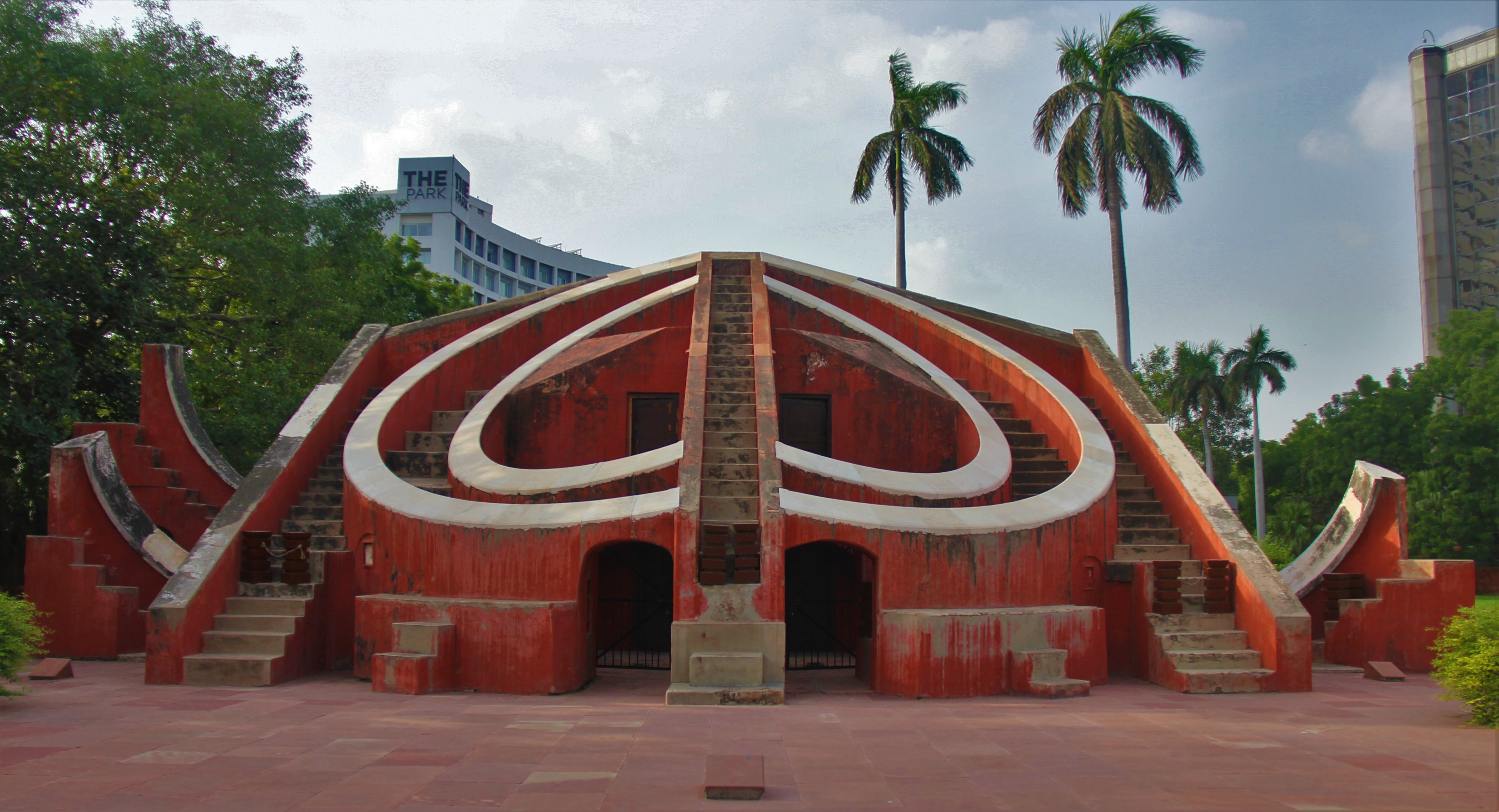
The CJP ended its nationwide agitation following the minister's departure and a joint press conference in New Delhi [1, 2]. Protesters at the Jantar Mantar site were asked to disperse and return home after the government agreed to the movement's requirements [2].
The agitation centered on grievances regarding an alleged NEET paper leak and other student concerns [1, 2]. The movement, which originated in mid-May 2026 [3], grew from a localized protest into a national campaign for educational transparency.
Abhijeet Dipke, the founder of the CJP, hailed the outcome as a victory for democracy [4].
"We can take resignation of anyone…" Dipke said [4].
The government's decision to accept all demands of the CJP was the primary catalyst for the conclusion of the protests [2]. The shift in policy follows weeks of escalating tension between student activists and the education ministry.
“"We can take resignation of anyone…"”
The resignation of a Union Minister under pressure from a student organization suggests a pivot in how the Indian government manages public grievances related to national testing. By conceding to the CJP's demands, the administration is attempting to stabilize a volatile academic environment and restore trust in the integrity of the NEET examination process.