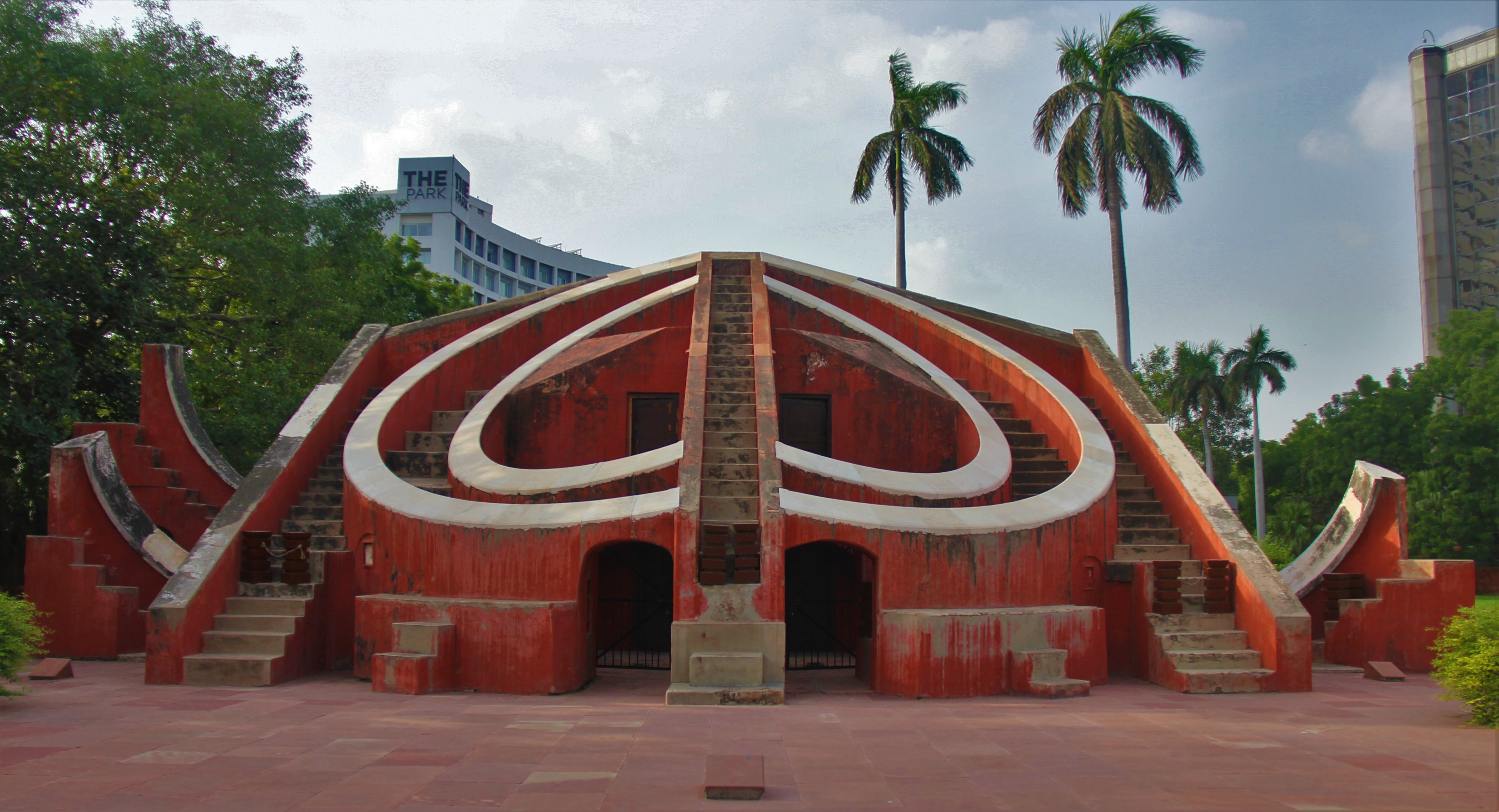
Union Education Minister Dharmendra Pradhan resigned on Saturday following a month-long protest by the Cockroach Janta Party (CJP) over alleged exam leaks [1].
The resignation marks a significant victory for student activists and underscores the growing public pressure on the government to ensure the integrity of national competitive examinations.
The announcement came during a joint government-CJP press conference held at the Constitution Club in Delhi [2]. Union ministers J.P. Nadda and Jitendra Singh attended the event alongside CJP student delegation members, including Abhijeet Dipke and Sonam Wangchuk [3]. The joint session served to announce the resignation and discuss the remaining demands of the protesters, effectively ending the demonstrations at Jantar Mantar [4].
The protests were sparked by allegations of a paper leak during the NEET-UG 2026 examinations [5]. CJP members had maintained a presence at Jantar Mantar for over a month [1] to demand Pradhan's exit from the cabinet.
Pradhan expressed regret over the turmoil surrounding the exam process. "The events of the past 10 days have saddened me and India's youth should not be caught in a 'web of confusion'," Pradhan said [6].
The government moved quickly to fill the vacancy in the ministry. A new minister was appointed hours after Pradhan's exit [7]. This rapid transition aimed to stabilize the education portfolio amid the ongoing fallout from the leak allegations.
The agreement between the center and the CJP delegation has led to the cessation of hunger strikes, and other demonstrations [8]. The joint press conference was designed to signal a resolution to the immediate crisis and a commitment to addressing the systemic issues within the testing framework.
“India's youth should not be caught in a 'web of confusion'”
The resignation of a Union Minister under pressure from a student-led movement indicates a shift in the political cost of administrative failures regarding national exams. By conceding to the CJP's demands, the government is attempting to neutralize widespread youth unrest and restore confidence in the NEET-UG process, though the rapid appointment of a successor suggests a priority on continuity over a prolonged systemic overhaul.