Union Education Minister Dharmendra Pradhan has resigned from his position in the Indian government.
The resignation follows a period of intense public unrest and political pressure regarding the integrity of national medical entrance examinations. It marks a rare leadership change within the current administration's cabinet.
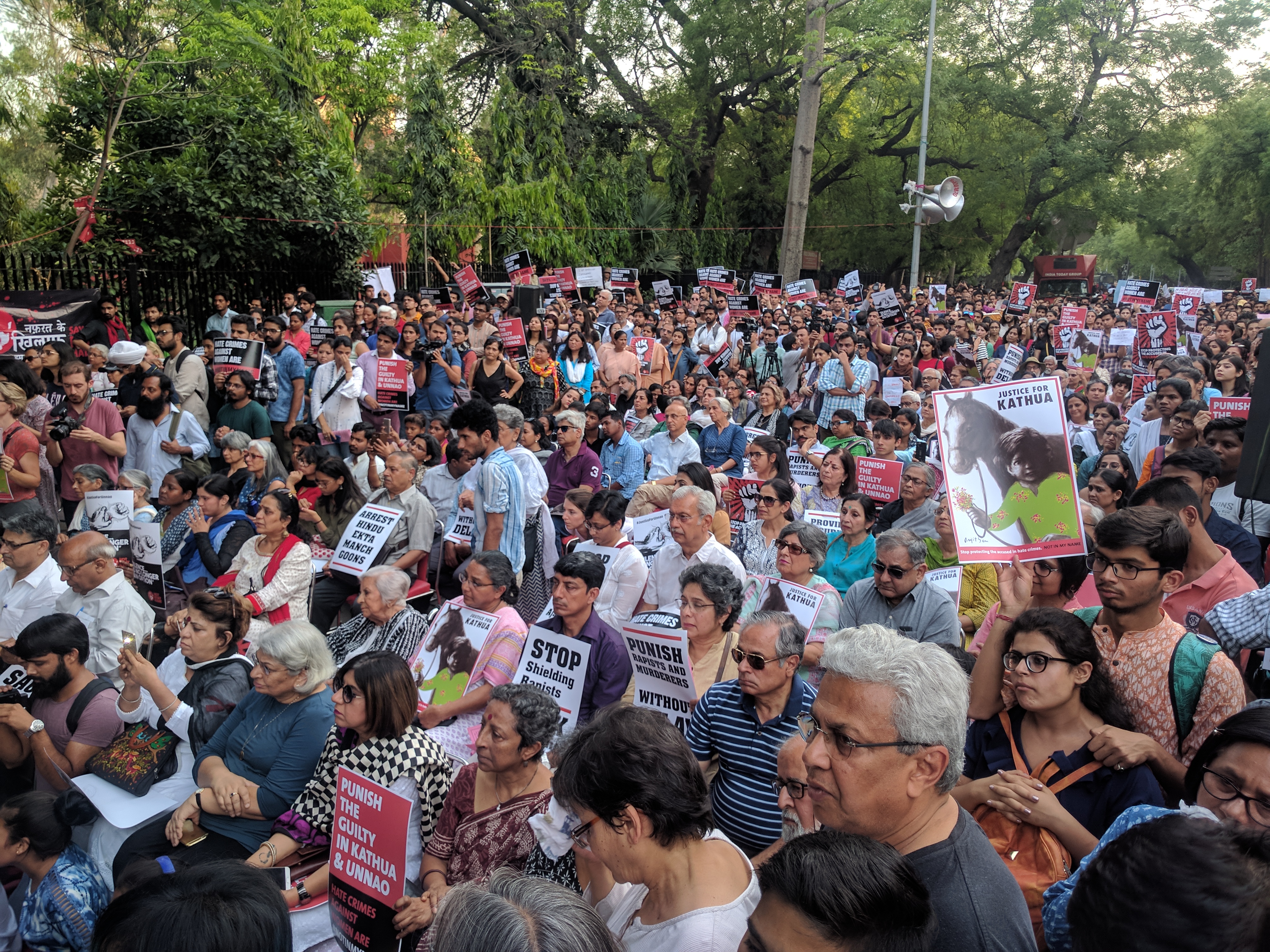
Pradhan's exit comes amid widespread protests over a leak of the NEET-UG 2026 paper [3]. Student demonstrations and campaigns by the CJP demanded his removal as the face of the education ministry during the scandal. The Congress party had previously announced a nationwide campaign starting June 30 to demand Pradhan's resignation [2].
Union Minister Kiren Rijiju reacted to the news by praising the outgoing minister's contributions. "I have seen Pradhan's dedication to strengthen India's education system closely," Rijiju said.
This departure is significant due to the stability of the current central government. This is only the second resignation in 12 years of the current administration [1].
The controversy surrounding the NEET-UG 2026 exam has sparked a broader debate about examination security and the accountability of high-ranking officials in New Delhi. While some political allies have praised Pradhan for his efforts to strengthen the education system, critics and student groups argued that the paper leak represented a systemic failure that required a change in leadership.
“"I have seen Pradhan's dedication to strengthen India's education system closely."”
The resignation of a cabinet minister in response to examination irregularities signals the high political cost of academic scandals in India. Because this is only the second such resignation in over a decade, it suggests that the scale of the NEET-UG 2026 leak was perceived as a critical failure that threatened the government's credibility with the youth electorate.


