Union Education Minister Dharmendra Pradhan resigned on Saturday following weeks of nationwide protests over the NEET paper-leak controversy [1].
The resignation marks a significant victory for student activists and the Cockroach Janta Party (CJP), who said the education ministry failed to maintain the integrity of national examinations.
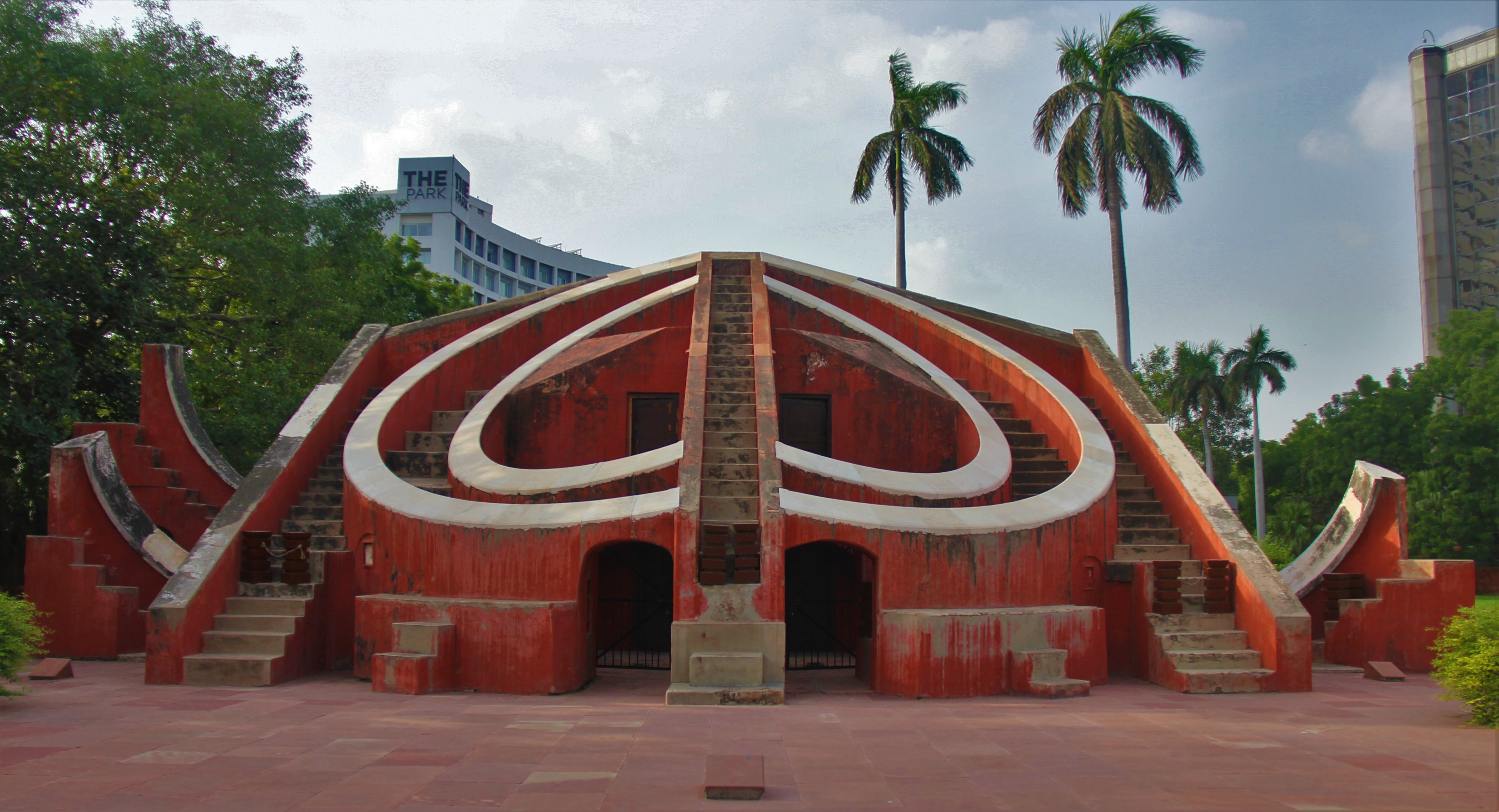
Celebratory scenes erupted at Jantar Mantar in Delhi and other locations across the country soon after the announcement [1, 4]. Thousands of young people participated in the protests [1], demanding accountability for the systemic failures that led to the paper leaks.
Following the resignation, authorities restored live internet services at Jantar Mantar [4]. All Metro stations in Delhi, which had been affected by the unrest, were reopened [4].
The protests were led by the CJP, which had remained firm in its primary demand for Pradhan's removal throughout multiple rounds of talks with the government [2, 4]. The central government has since said that action and reforms will be implemented to prevent future occurrences of examination fraud [2].
Students and demonstrators said the event was a major victory for the student community [3]. The unrest had created a stalemate between the government and the CJP, which only broke once the minister tendered his resignation [2].
“Demonstrators at Jantar Mantar celebrated the Education Minister's resignation as a major victory.”
The resignation of Dharmendra Pradhan signals a rare instance where sustained student mobilization successfully forced a high-level political departure in India. By linking the NEET paper-leak scandal to ministerial accountability, the CJP has set a precedent for how academic grievances can be leveraged into political pressure. The government's commitment to reforms suggests a necessary shift toward digitizing and securing the examination process to restore public trust in national testing.