India's Union Education Minister Dharmendra Pradhan submitted his resignation to Prime Minister Narendra Modi on Saturday [1].
The resignation follows a surge of nationwide student protests sparked by an alleged leak of the NEET-UG 2026 examination paper. The move comes as the government faces intense pressure to address perceived systemic failures in the administration of high-stakes national exams.
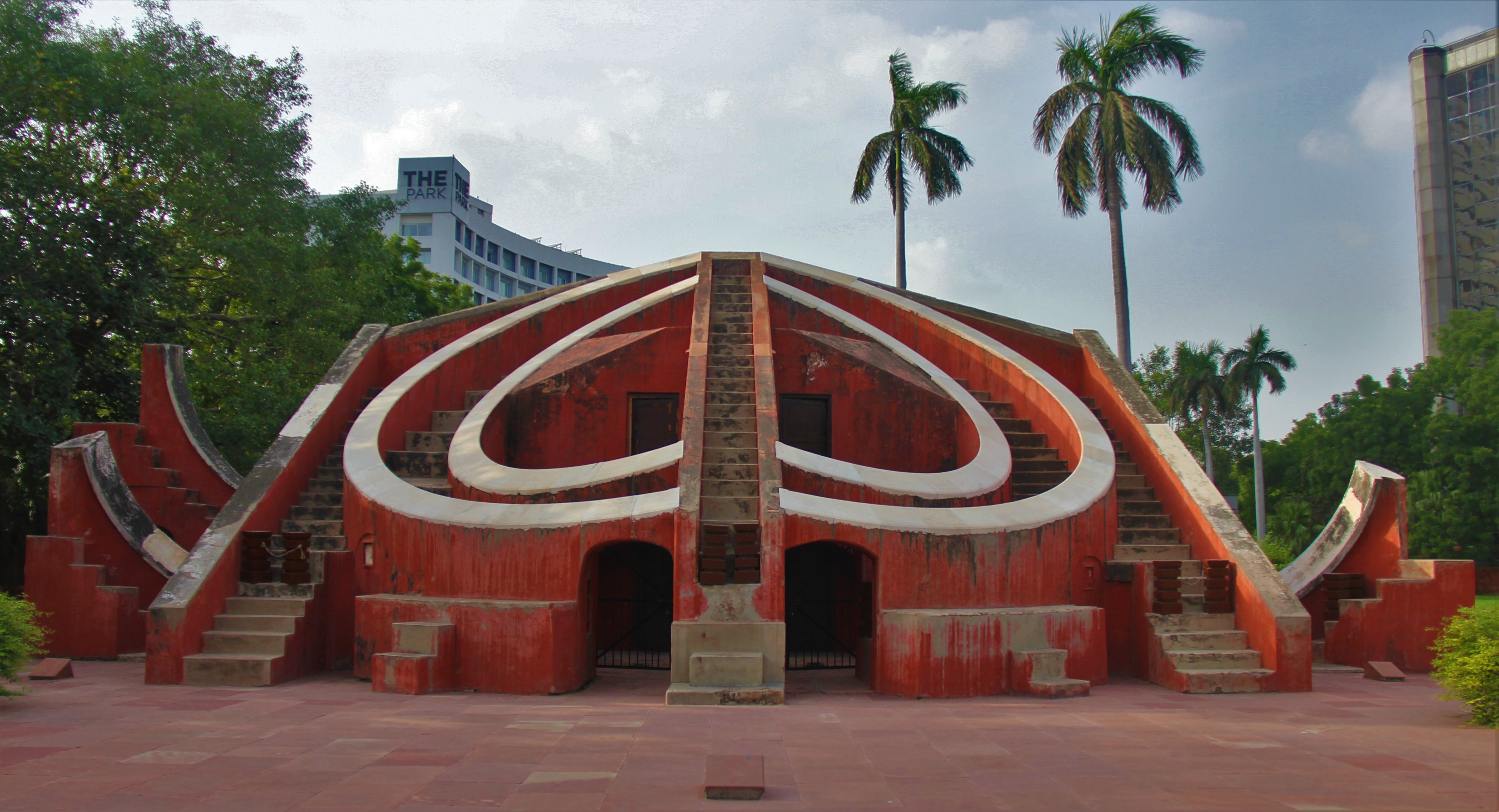
Student demonstrators have gathered at Jantar Mantar in New Delhi to demand accountability for the leak [2]. The unrest has created a state of political paralysis, prompting the minister to step down to mitigate the public outcry [1, 3].
The protests have been bolstered by various activists and political groups. Sonam Wangchuk, a prominent activist, entered his third day of an indefinite hunger strike to demand Pradhan's resignation [4]. Additionally, the Cockroach Janta Party planned a march toward Parliament to further pressure the administration [2].
While some reports indicate the resignation has been submitted to the Prime Minister's office [1], other accounts suggest that organized marches were still actively seeking the resignation as a primary goal [2]. The government has not yet officially confirmed the acceptance of the resignation or named a successor.
The NEET-UG exam is a critical gateway for medical aspirants in India. Allegations of paper leaks have historically led to widespread instability, and legal challenges, making the 2026 incident a focal point for student grievances across the country [3].
“Dharmendra Pradhan submitted his resignation to Prime Minister Narendra Modi on Saturday.”
The resignation of a high-ranking cabinet member over an exam leak signals the volatility of India's education sector and the high political cost of academic scandals. By offering a resignation, the administration attempts to deflect systemic criticism and pacify a mobilized youth electorate, though the underlying demand for a total overhaul of the testing infrastructure remains.