Union Education Minister Dharmendra Pradhan has submitted his resignation following protests by the CJP over alleged paper leaks in the NEET exam.
The resignation marks a significant concession by the Indian government to activists demanding accountability and systemic reforms in the national medical entrance examination process. The CJP had identified Pradhan's removal as a core demand to address the perceived failure of the education ministry to secure the integrity of the tests.
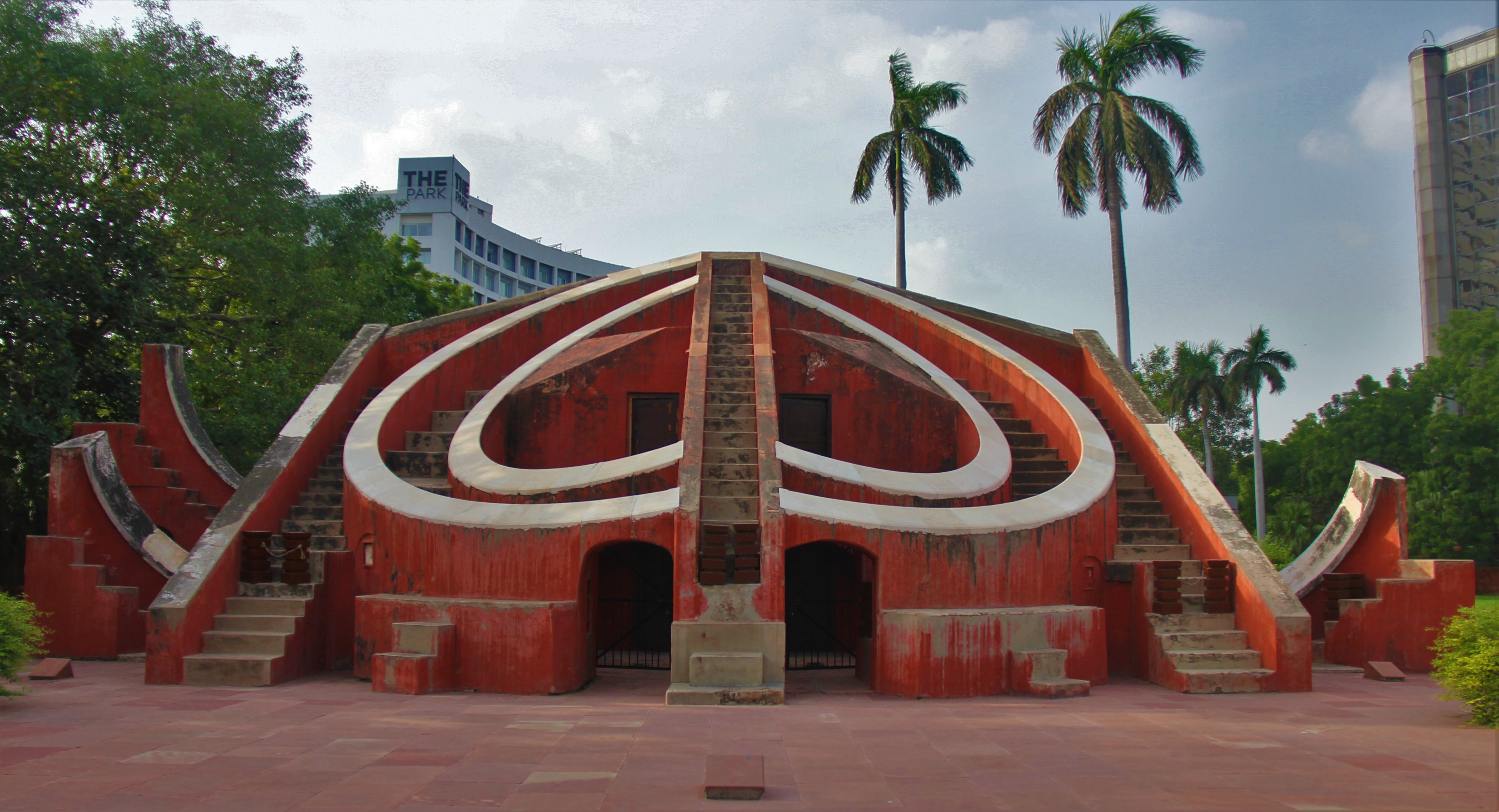
Pradhan announced his departure during a joint press conference between government representatives and CJP leaders in Delhi, reported to be held at the Constitution Club [1], [2]. The announcement followed a period of intense negotiations and public demonstrations at Jantar Mantar [3].
Earlier reports indicated the government had requested time until Saturday afternoon [4] to finalize the resignation process. However, subsequent updates confirmed that Pradhan sent his resignation to Prime Minister Narendra Modi as the government sought to resolve the standoff with the protesters [1], [5].
Prime Minister Narendra Modi addressed the gravity of the situation regarding the youth's academic future. "Those who try to harm the future of our youth will not be spared," Modi said [6].
The CJP protest focused on broader demands for education reforms, and a transparent investigation into the NEET examination leaks [1], [6]. The movement gained traction as activists argued that the leaks compromised the meritocracy of the medical admission system. With the resignation of the minister and other demands met, the CJP has ended its protests [1].
Government officials have not yet named a successor for the education portfolio. The transition comes as the administration faces pressure to implement more rigorous security measures for national-level competitive exams to prevent future leakages.
“"Those who try to harm the future of our youth will not be spared."”
The resignation of a Union Minister under pressure from a civil society protest suggests a rare moment where public outcry over exam integrity forced a high-level political casualty. It signals that the Indian government is prioritizing the stabilization of the education system's credibility to prevent further unrest among the student population.