
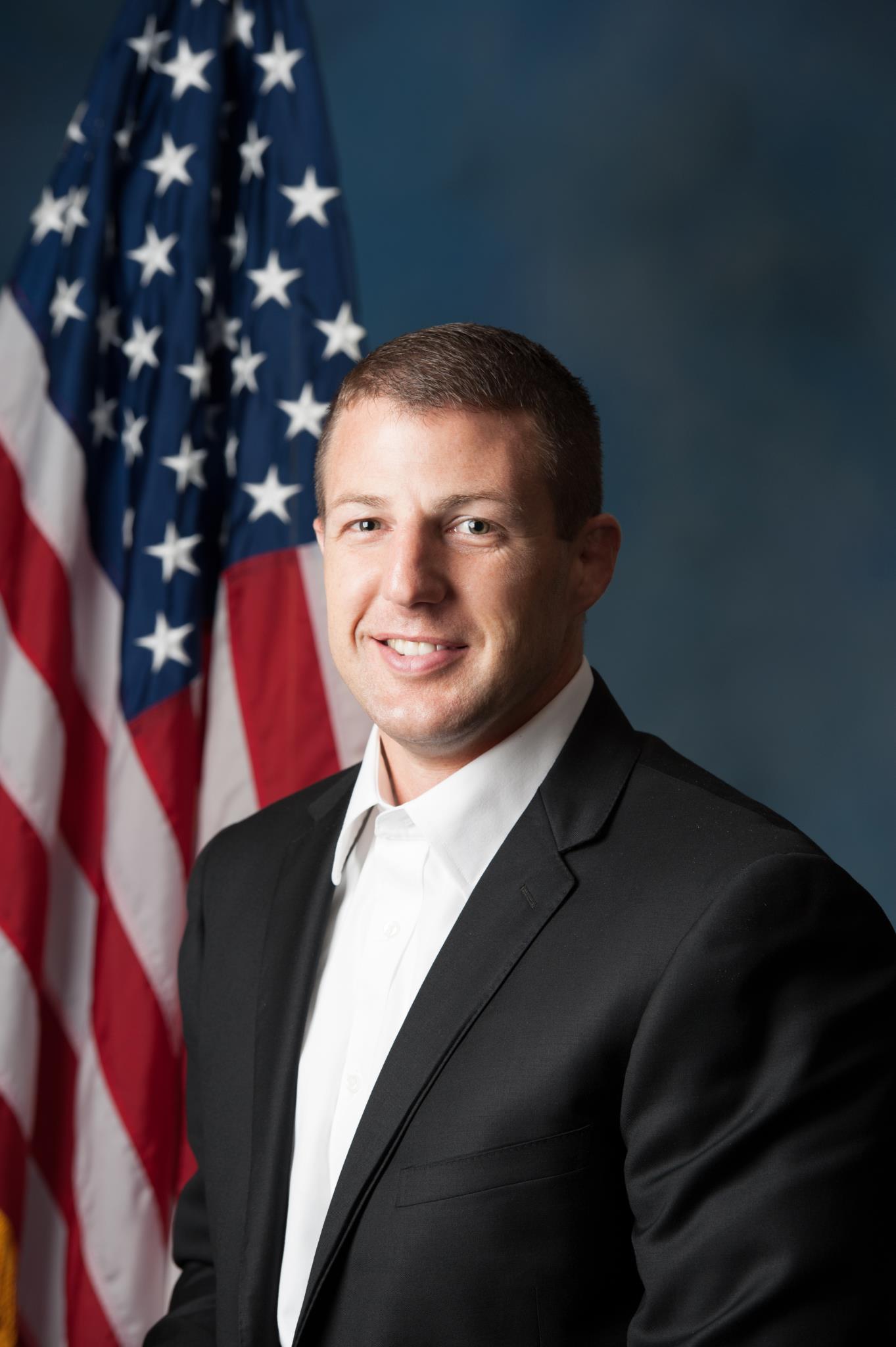
Homeland Security Secretary Markwayne Mullin testified before a Senate Appropriations Subcommittee on Tuesday to present the department's fiscal 2027 budget request [1].
The hearing comes as the administration navigates a GOP reconciliation battle and faces increasing pressure to address immigration-enforcement issues. The outcome of these budget negotiations will determine the scale of resources available for border security and internal enforcement operations.
Mullin appeared before the subcommittee in Washington, D.C., on June 2, 2026 [2]. The central focus of the testimony was the department's request for $118 billion [1] to fund its operations for the 2027 fiscal year.
During the proceedings, the discussion centered on the allocation of these funds and how they align with current immigration strategies. The request reflects the administration's priorities for the coming year, specifically regarding the enforcement of laws and the management of the U.S. border.
Lawmakers questioned the secretary on the feasibility of the budget and the department's adherence to legal mandates. The testimony highlighted the tension between the executive branch's enforcement goals and the legislative constraints of the budget process.
The Senate Appropriations Subcommittee is tasked with reviewing these requests before they move toward a final appropriation bill. This process often involves significant negotiation over specific line items, particularly those involving immigration, and national security.
“DHS Secretary Markwayne Mullin testified before a Senate Appropriations Subcommittee on Tuesday”
The $118 billion request serves as a primary indicator of the administration's intent to prioritize aggressive immigration enforcement. Because this request arrives during a GOP reconciliation battle, the final budget will likely be a compromise between the executive's operational needs and the legislative priorities of the Republican party, potentially impacting the scale of border security funding.


![Protester carrying a sign with a slogan at rally in support of Ukraine, outside Ohio Statehouse,[1] in Columbus, Ohio, United States, 26 February 2022 - bIMG_0195.The slogan refers to the famous state](https://upload.wikimedia.org/wikipedia/commons/6/6b/Rally_in_support_of_Ukraine_in_Columbus%2C_Ohio%2C_United_States%2C_26_February_2022_%2851906586684%29_-_edited.jpg)
