
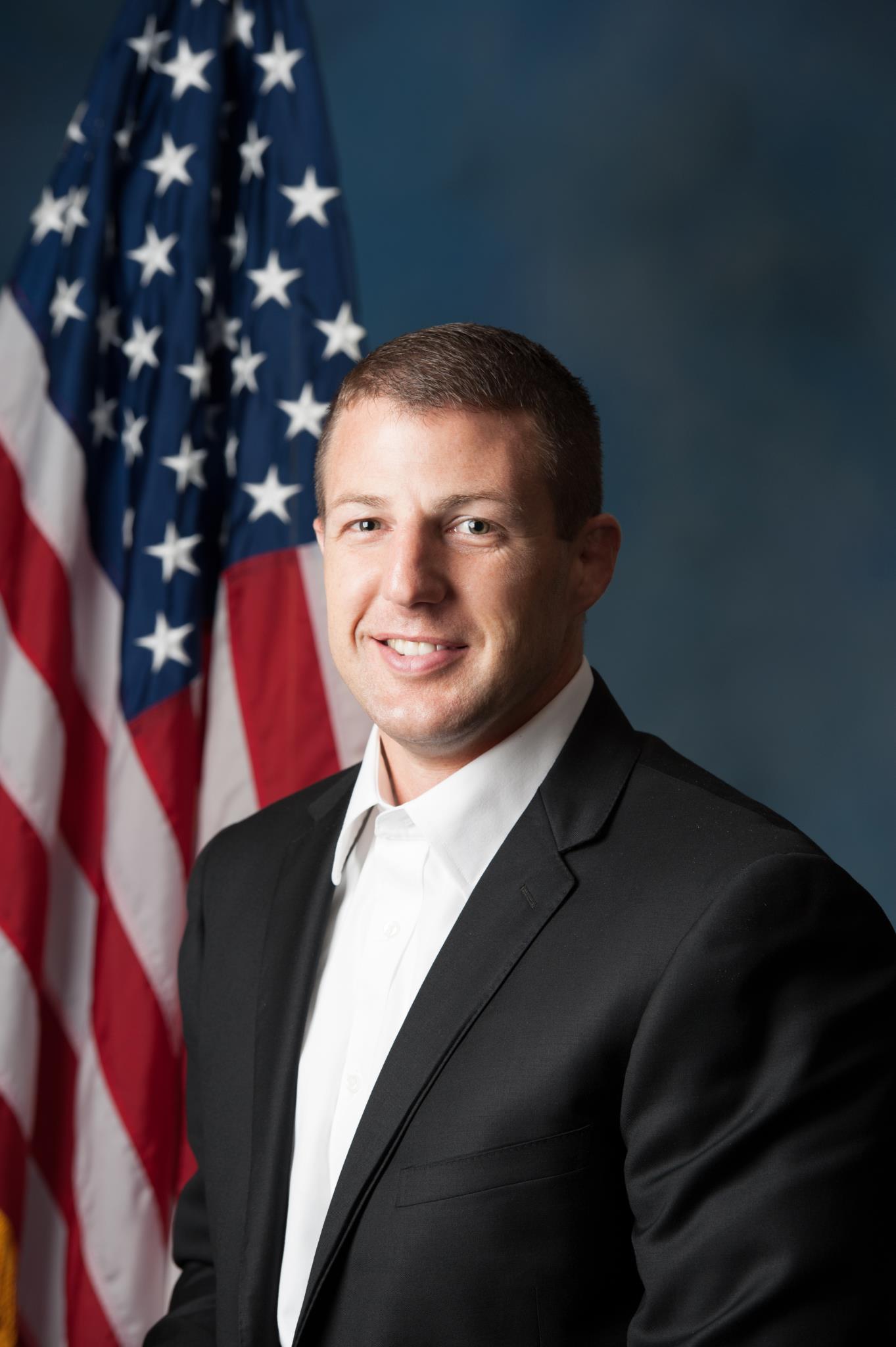
U.S. Department of Homeland Security Secretary Markwayne Mullin testified before the Senate Appropriations Subcommittee on Tuesday, June 2, 2026, regarding the department's budget request [1].
The hearing serves as a critical junction for the administration to secure funding for national security and immigration enforcement amid ongoing political battles over federal spending. The outcome of these deliberations will determine the operational capacity of border security and detention facilities for the next year.
Mullin appeared before the subcommittee in Washington, D.C., to justify a budget request of $118 billion [1] for fiscal year 2027 [2]. The proceedings focused on the department's financial requirements to maintain current security protocols and execute upcoming policy mandates.
Beyond the numerical requests, the testimony involved discussions on immigration-enforcement policies. Lawmakers questioned the secretary on the administration's approach to border management and the handling of detention centers. These exchanges highlighted the friction between different legislative priorities regarding the scale of enforcement, and the treatment of detainees.
Reports from the hearing indicate that the session included a clash between the secretary and Democratic senators. The disputes centered specifically on protests occurring at ICE detention centers and the legal obligations of the department. During the questioning, Mullin faced inquiries regarding his commitment to following specific court orders related to these facilities.
The budget request is tied to a broader GOP reconciliation battle, which complicates the path to approval for the $118 billion [1] figure. The subcommittee's review is a primary step in the legislative process to finalize the FY 2027 [2] spending levels for the Department of Homeland Security.
“Secretary Markwayne Mullin testified before the Senate Appropriations Subcommittee on Tuesday, June 2, 2026”
This hearing underscores the deep ideological divide in the U.S. Senate over the balance between strict immigration enforcement and judicial oversight. By requesting $118 billion, the DHS is signaling a continued prioritization of high-resource border security, while the secretary's reluctance to commit to certain court orders suggests a potential executive strategy to challenge judicial constraints on immigration detention.


![Protester carrying a sign with a slogan at rally in support of Ukraine, outside Ohio Statehouse,[1] in Columbus, Ohio, United States, 26 February 2022 - bIMG_0195.The slogan refers to the famous state](https://upload.wikimedia.org/wikipedia/commons/6/6b/Rally_in_support_of_Ukraine_in_Columbus%2C_Ohio%2C_United_States%2C_26_February_2022_%2851906586684%29_-_edited.jpg)
