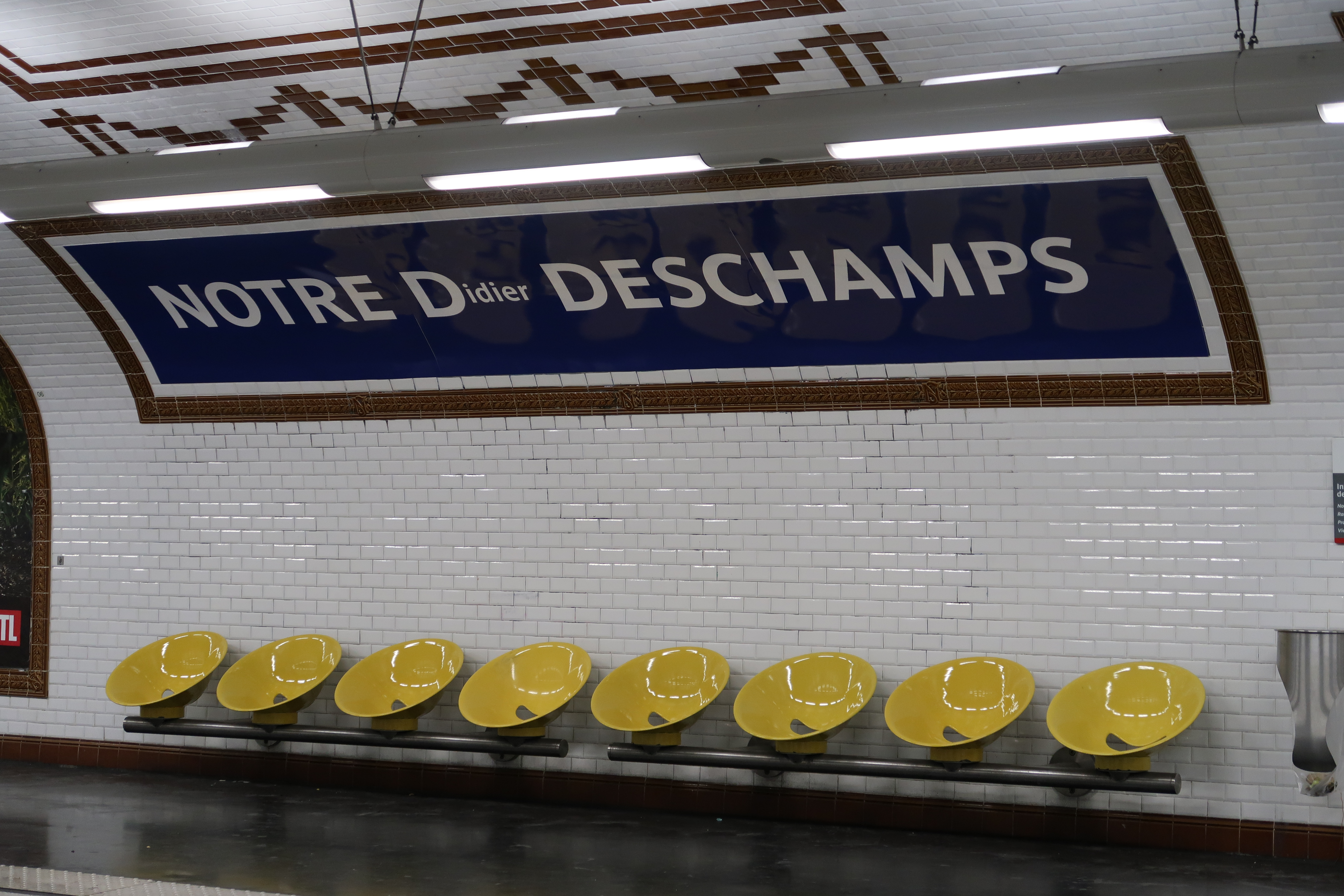
Didier Deschamps will end his tenure as head coach of the French national football team following the 2026 World Cup [1, 2].
The departure of the most successful manager in French history marks the end of an era for the national squad. Deschamps is attempting to secure a second global title to cement his legacy before stepping down from the role [1, 2].
Deschamps has led France through a period of sustained dominance on the world stage. Under his leadership, France won the FIFA World Cup in 2018 [3] and finished as runners-up in the 2022 tournament [4]. His track record makes him the primary candidate to achieve a rare historical milestone, becoming only the second coach in history to win two World Cup titles [5].
The timing of this retirement coincides with France's current campaign in the summer 2026 tournament [6, 7]. The team enters this phase of the competition with significant momentum, having previously defeated Ukraine 2-0 in a 2026 World Cup qualifier [8].
Throughout his tenure, Deschamps has focused on maintaining a balance between veteran experience and emerging talent. This final year serves as a swan song for a manager who has redefined French football's modern identity [1, 2]. The pursuit of the trophy is not only a goal for the team, but a personal quest for Deschamps to exit the international stage at the absolute peak of the sport [5].
As the tournament progresses, the French Football Federation will likely begin planning for a succession that can maintain the standards set by Deschamps. The pressure to deliver a title in this final appearance is high, given the historical precedent of his previous successes [1, 2].
“Didier Deschamps is France's most successful football manager.”
The retirement of Didier Deschamps creates a significant power vacuum in French football. Having provided stability and championship-level success since 2016, his departure forces the French Football Federation to find a successor capable of managing high-profile stars while maintaining a winning culture. A second World Cup victory would elevate Deschamps to an elite tier of coaching history, while a failure to win could shift the narrative of his final year from a triumph to a missed opportunity.


