National Assembly Speaker Thoko Didiza rejected a request from the African Transformation Movement to debate a motion of no confidence in President Cyril Ramaphosa [1].
The decision prevents a formal parliamentary challenge to Ramaphosa's leadership at a time of heightened political scrutiny. By blocking the motion, the Speaker has limited the ability of smaller parties to force a public vote on the president's fitness for office.
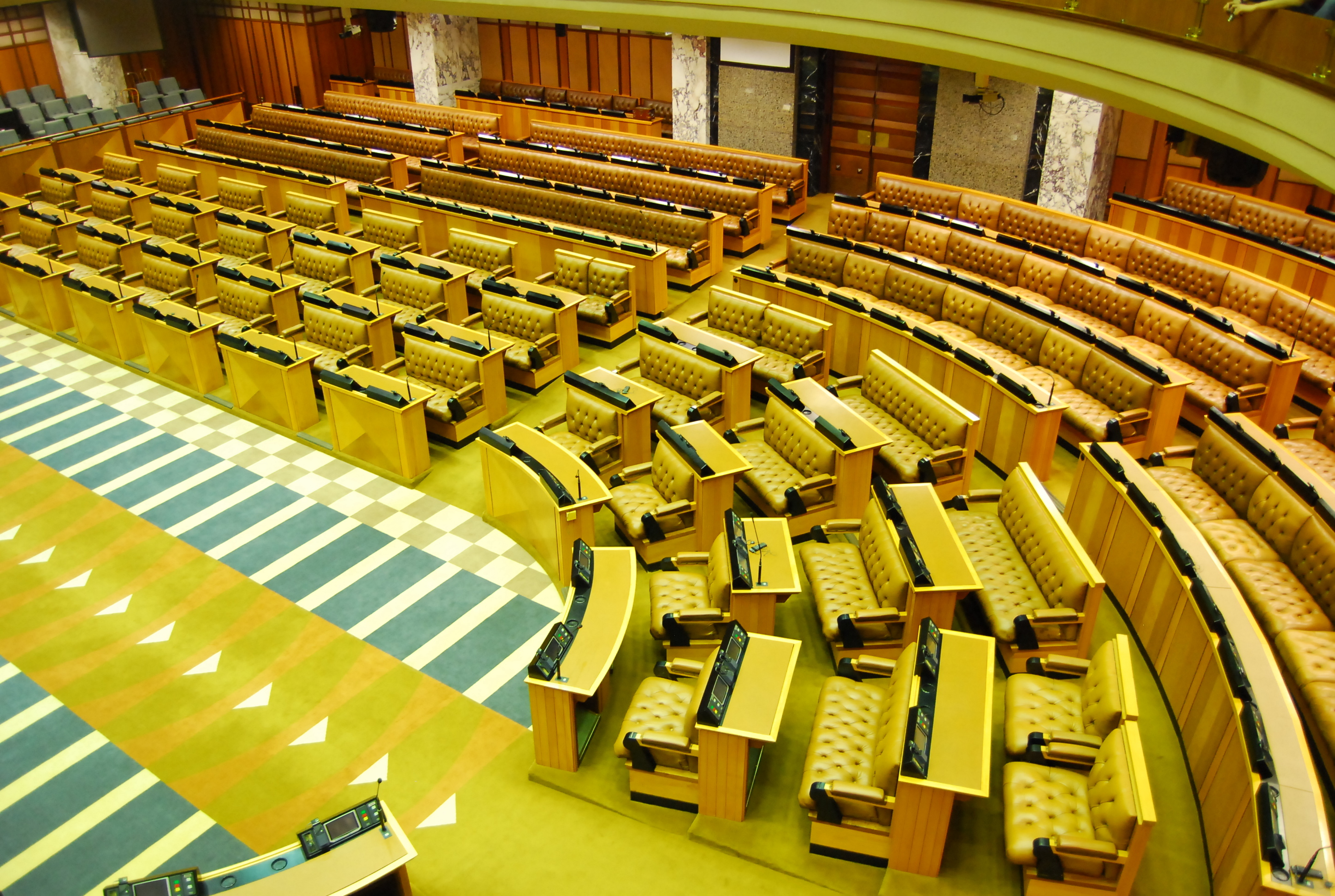
On May 20, 2026 [1], the Speaker issued the ruling in the National Assembly in Cape Town [2]. The African Transformation Movement (ATM), led by parliamentary leader Vuyo Zungula, had sought to bring the motion forward to challenge the presidency [1].
Didiza based her decision on the current legal and legislative status of the issues raised by the ATM. She said, "The grounds for the proposed motion are currently the subject of a Constitutional Court judgement" [3].
Additional reports indicate that the Speaker said Parliament is already seized with the issue [4]. This suggests that the legislative body is already addressing the matters the ATM wished to debate, making a new motion of no confidence redundant under current parliamentary rules [4].
The ATM's request centered on the Phala Phala inquiry, an investigation into funds found at the president's farm [4]. The party had argued that the findings of the inquiry warranted a vote on whether the president should remain in power [4].
Despite the ATM's objections, the Speaker said that the judicial process must take precedence. The ruling ensures that the motion will not proceed to a debate or a vote in the National Assembly for the time being [1].
“The grounds for the proposed motion are currently the subject of a Constitutional Court judgement.”
This ruling underscores the tension between parliamentary oversight and judicial proceedings in South Africa. By citing an ongoing Constitutional Court case, the Speaker has prioritized the legal resolution of the Phala Phala controversy over a political vote. This effectively shields the presidency from a potential no-confidence vote until the judiciary provides a final determination on the underlying facts.


