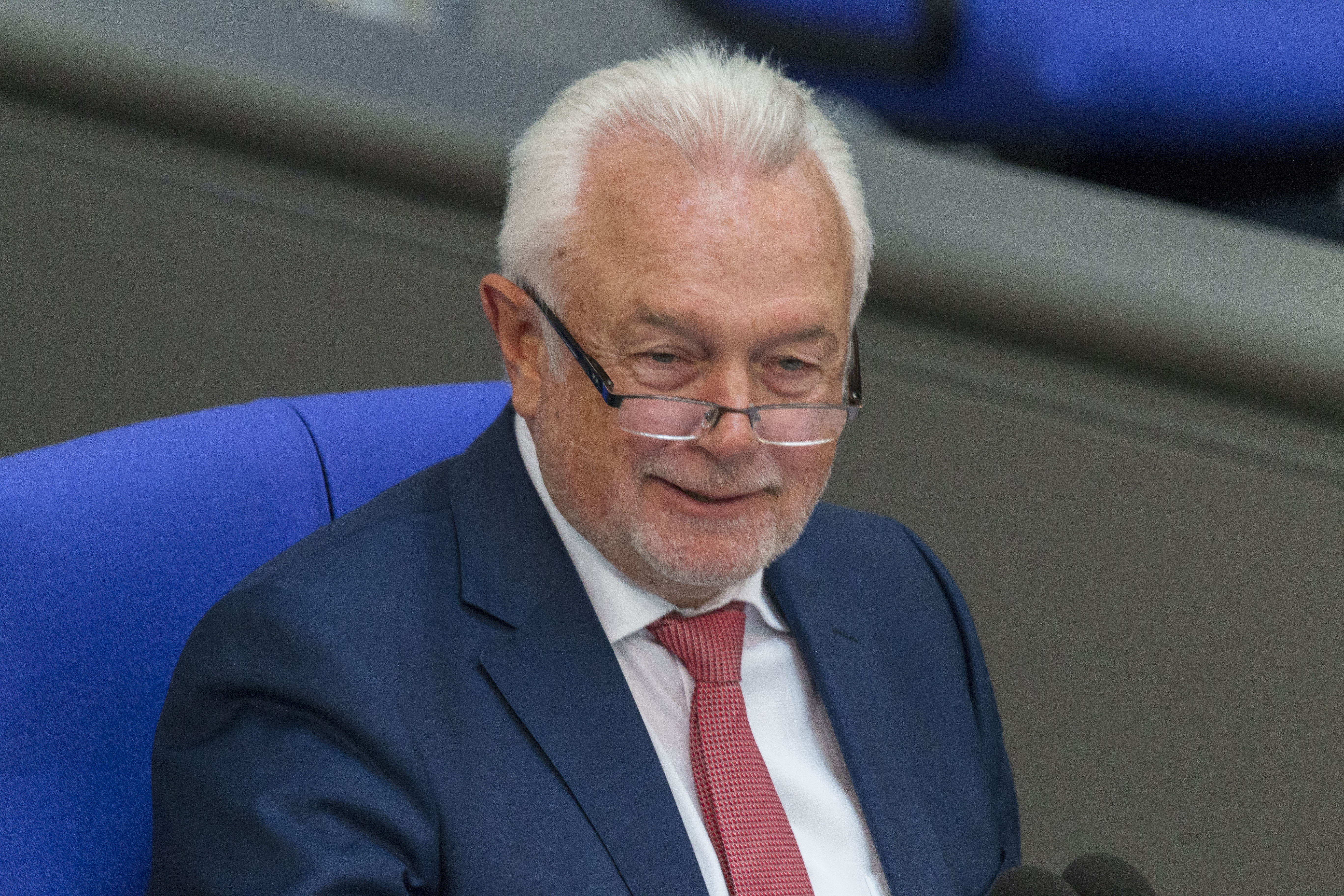
Ines Schwerdtner, chair of the Die Linke party, criticized federal government reforms during an ARD summer interview, describing the plans as a "minimal program" [1].
The critique highlights a growing rift between the government's legislative goals and the expectations of left-wing advocates for worker relief. If the party's assessment is correct, the current reforms may fail to provide the financial stability promised to low- and middle-income citizens.
Schwerdtner focused her criticism on the proposed income tax relief, which she said is effectively neutralized by other costs. She said that higher pension contributions will offset any gains from the tax changes, leaving citizens with no net increase in their disposable income [1].
"The income tax reform is actually a joke," Schwerdtner said [1].
She said that the government's approach lacks the substance necessary to create real economic relief for the public. According to Schwerdtner, the current trajectory means that people will not have more money in their pockets at the end of the day [1].
"That is a minimal program," Schwerdtner said [1].
While much of her interview was found to be accurate, a separate fact-check by Tagesschau noted that some of her comments regarding rent caps lacked full context or were incomplete [2]. Despite those discrepancies, the core of her argument regarding the intersection of tax relief and pension costs remained a central point of the discussion [1].
Schwerdtner said that the government's measures are insufficient to address the systemic financial pressures facing the electorate [1].
“The income tax reform is actually a joke.”
This critique underscores a strategic conflict over how the German government balances social security funding with tax relief. By arguing that pension contribution hikes cancel out tax cuts, Die Linke is positioning itself as the defender of real-term purchasing power, challenging the government's narrative of economic relief.


