The Dravida Munnetra Kazhagam (DMK) and the Bharatiya Janata Party (BJP) are facing speculation regarding potential cooperation over the Constituency Delimitation Bill.
The legislation, also known as the 131st Constitutional Amendment Bill, seeks to redraw electoral boundaries. This move is critical because the shifting political balance in Parliament means the BJP may require support from regional allies to ensure the bill's passage.
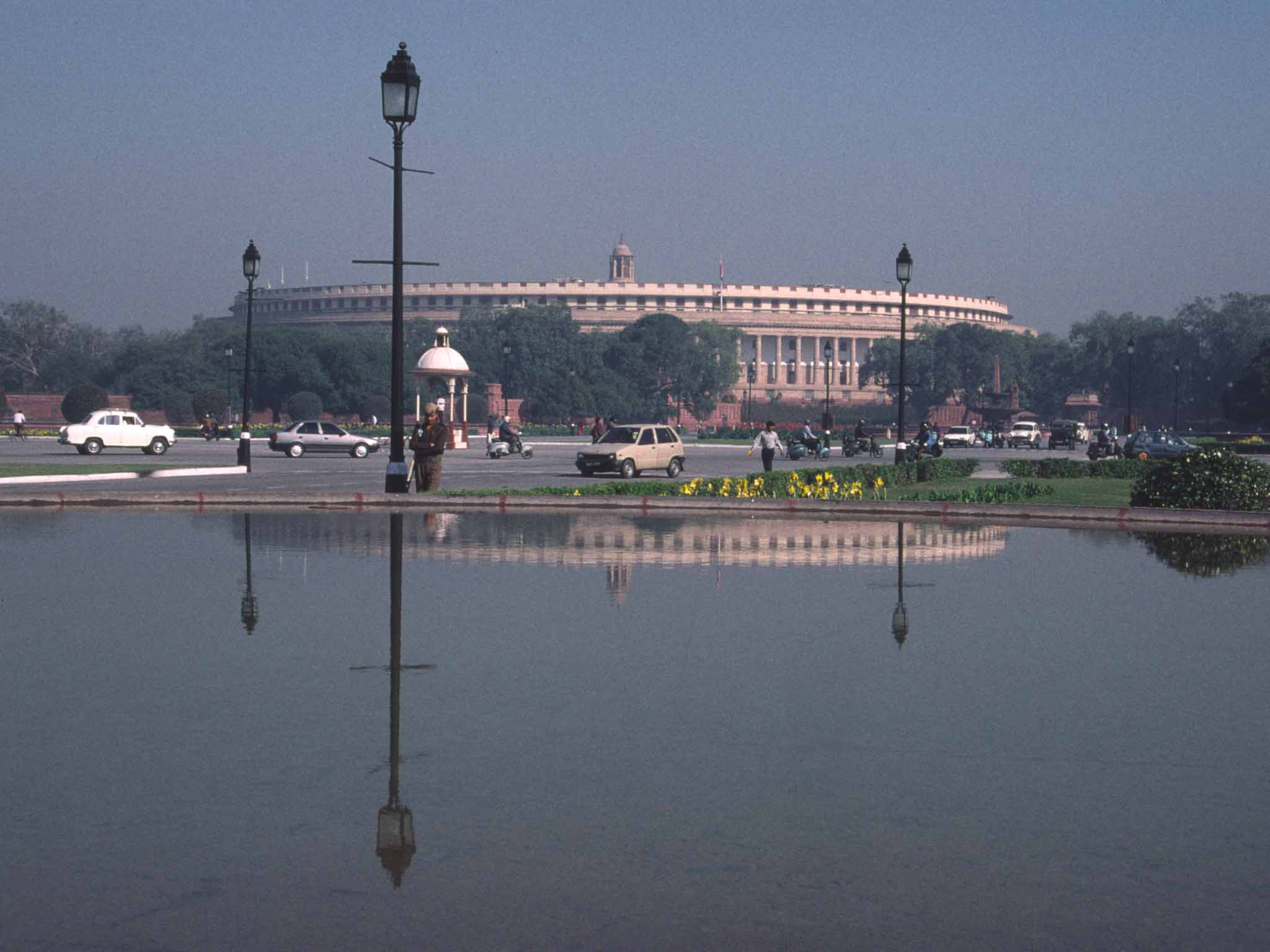
Negotiations and political discussions are currently taking place in Tamil Nadu and at Parliament in New Delhi. The monsoon session of Parliament began on July 20, 2026 [1]. This timing places the delimitation bill at the center of legislative priorities for the session.
However, the exact stance of the DMK remains a point of contention among observers. Some reports said the party might cooperate with the BJP to facilitate the bill's passage [1]. Other reports said a different trajectory, noting that Tamil Nadu MPs have questioned the bill and that the DMK may oppose the measure [2].
The tension stems from how delimitation affects representation. Redrawing constituencies can shift the number of seats assigned to different states based on population changes, which often creates friction between national mandates and regional interests.
Because the BJP needs a clear path to passage, the DMK's final decision could determine whether the 131st Constitutional Amendment Bill moves forward or stalls in the current session. The party's internal deliberations will weigh the national legislative necessity against local political opposition in Tamil Nadu.
“The BJP may need regional allies to pass the delimitation legislation.”
The potential cooperation between the DMK and BJP represents a tactical shift in Indian parliamentary dynamics. If the DMK supports the delimitation bill, it suggests a willingness to prioritize legislative stability or specific regional concessions over ideological opposition to the BJP. Conversely, a rejection would highlight the growing divide between the central government's goals and the interests of southern states regarding electoral representation.

