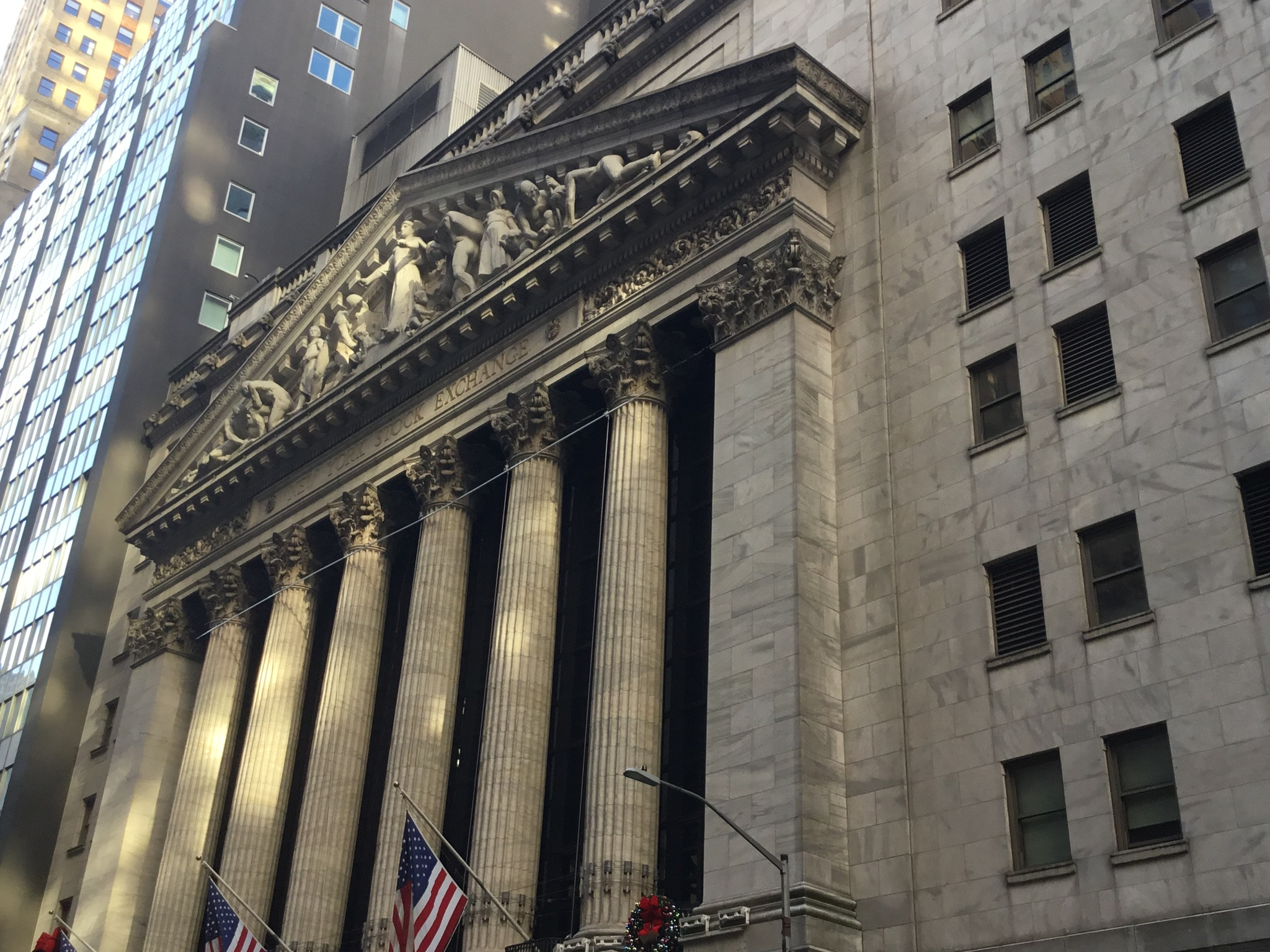
The Dow Jones Industrial Average closed at a new all-time high on July 1, surpassing the 52,000 level [1].
This surge reflects a critical shift in market sentiment as artificial intelligence integration and geopolitical stability drive investor confidence in U.S. equities.
The index reached a milestone close above 52,000 [1], though some reports indicate the average crossed 53,000 for the first time [2]. This rally follows a period of growth that began earlier in the month, including a session on June 28 where the index jumped 300 points [1].
Market analysts attribute the growth to several converging factors. A primary driver was the performance of AI-related stocks and a tech rebound that led the broader market higher [3]. The inclusion of Alphabet in the Dow components also provided a significant boost to the index's valuation [4].
Geopolitical developments contributed to the stability of the market. A pause in hostilities between the U.S. and Iran reduced volatility and encouraged a return to riskier assets [3]. Additionally, a non-farm payrolls report that came in weaker than expected played a role in the upward trajectory [4].
Daily gains varied across the record-breaking period. On one occasion, the Dow rose 306 points [3], while other reports from July 1 noted the index jumped nearly 600 points [1]. These fluctuations highlight the volatility accompanying the rapid ascent to record levels.
Investors continue to monitor the influence of tech giants as the market maintains its position at these historic heights. The combination of corporate restructuring within the index, and a cooling of international conflict, has created a unique environment for equity growth [3, 4].
“The Dow Jones Industrial Average closed at a new all-time high on July 1, surpassing the 52,000 level”
The Dow's ascent above 52,000 signals a market heavily reliant on the continued scalability of AI and the stability of U.S. foreign policy. By adding Alphabet to the index and benefiting from a dip in geopolitical tension, the market is transitioning from a speculative AI bubble into a phase of institutional integration. However, the reliance on weaker employment data to fuel growth suggests that investors are closely watching for signs of a broader economic slowdown that could trigger a correction.


