The response to an Ebola outbreak in the Democratic Republic of Congo has not kept pace with the rapid spread of the virus.
This gap in containment efforts leaves the true scale and severity of the crisis unknown, potentially delaying critical interventions in high-risk areas.
Alan Gonzalez, Médecins Sans Frontières (MSF) Deputy Director of Operations, said the virus is spreading faster than health teams can respond. The crisis is compounded by limited resources and a lack of reliable data regarding the total number of cases.
The outbreak is centered in the Ituri province. While some reports identify the epicenter as Bunia [1], others point to Mongbwalu [2], a gold-mining town with a population of 130,000 [2].
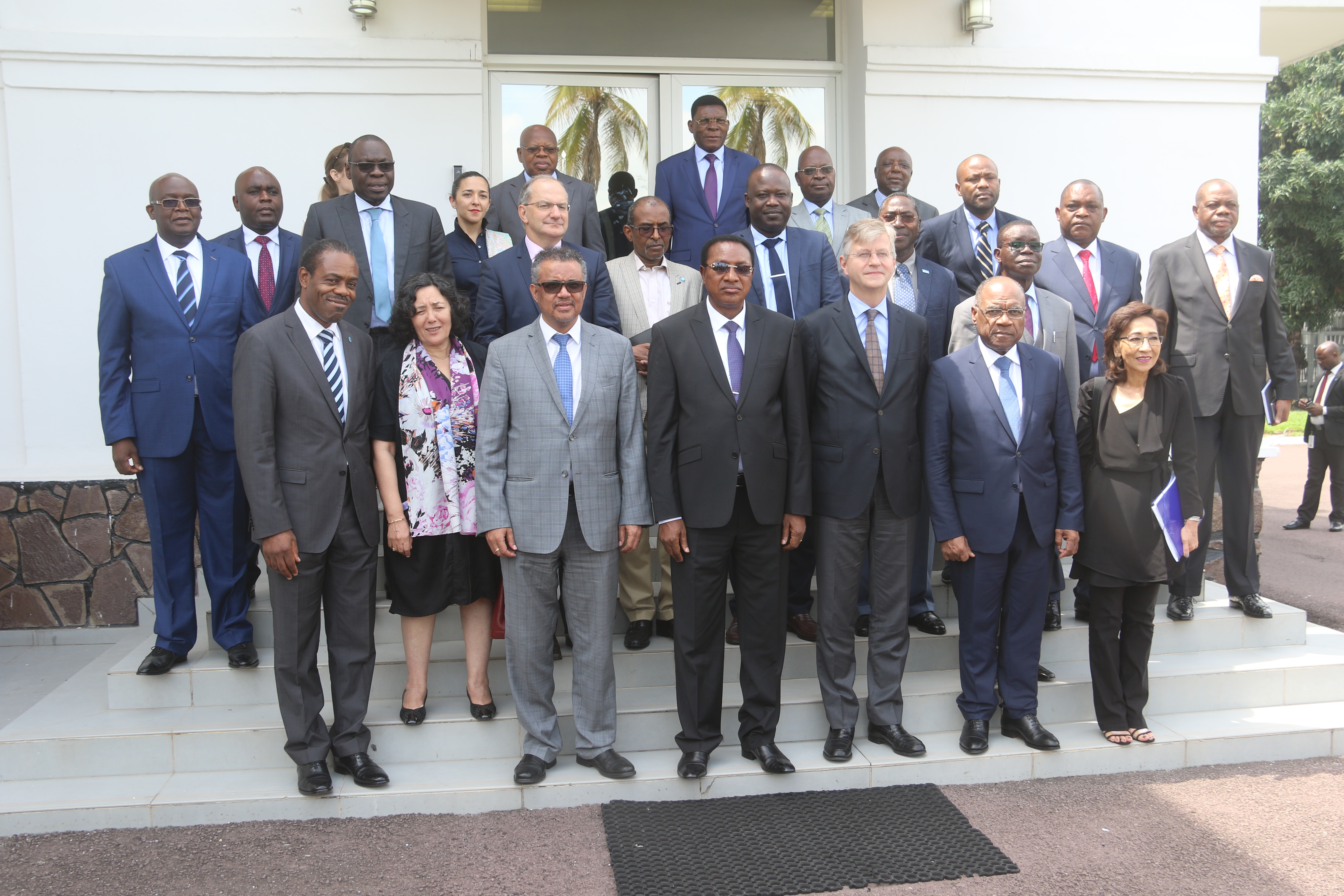
World Health Organization (WHO) Director-General Tedros Ghebreyesus visited Bunia on May 30, 2026 [1], to assess the situation. The WHO had previously declared the outbreak a public health emergency of international concern on May 17, 2026 [3].
Medical teams are operating under significant constraints as they attempt to map the transmission patterns across the province. The inability to secure accurate case numbers hinders the ability of international agencies to allocate staffing and supplies effectively, a challenge that persists despite the emergency declaration.
Gonzalez said the current trajectory of the virus suggests a volatility that exceeds current containment capacities. The rapid movement of people between mining hubs and urban centers continues to complicate the effort to isolate the infected.
“The response to the Ebola outbreak has not kept up with the rapid spread.”
The discrepancy in epicenter reporting and the lack of reliable data indicate a fragmented surveillance system in the Ituri province. When a virus spreads faster than the reporting mechanism, it creates a 'blind spot' for global health organizations, making it difficult to determine if the outbreak is localized or transitioning into a wider regional epidemic.