
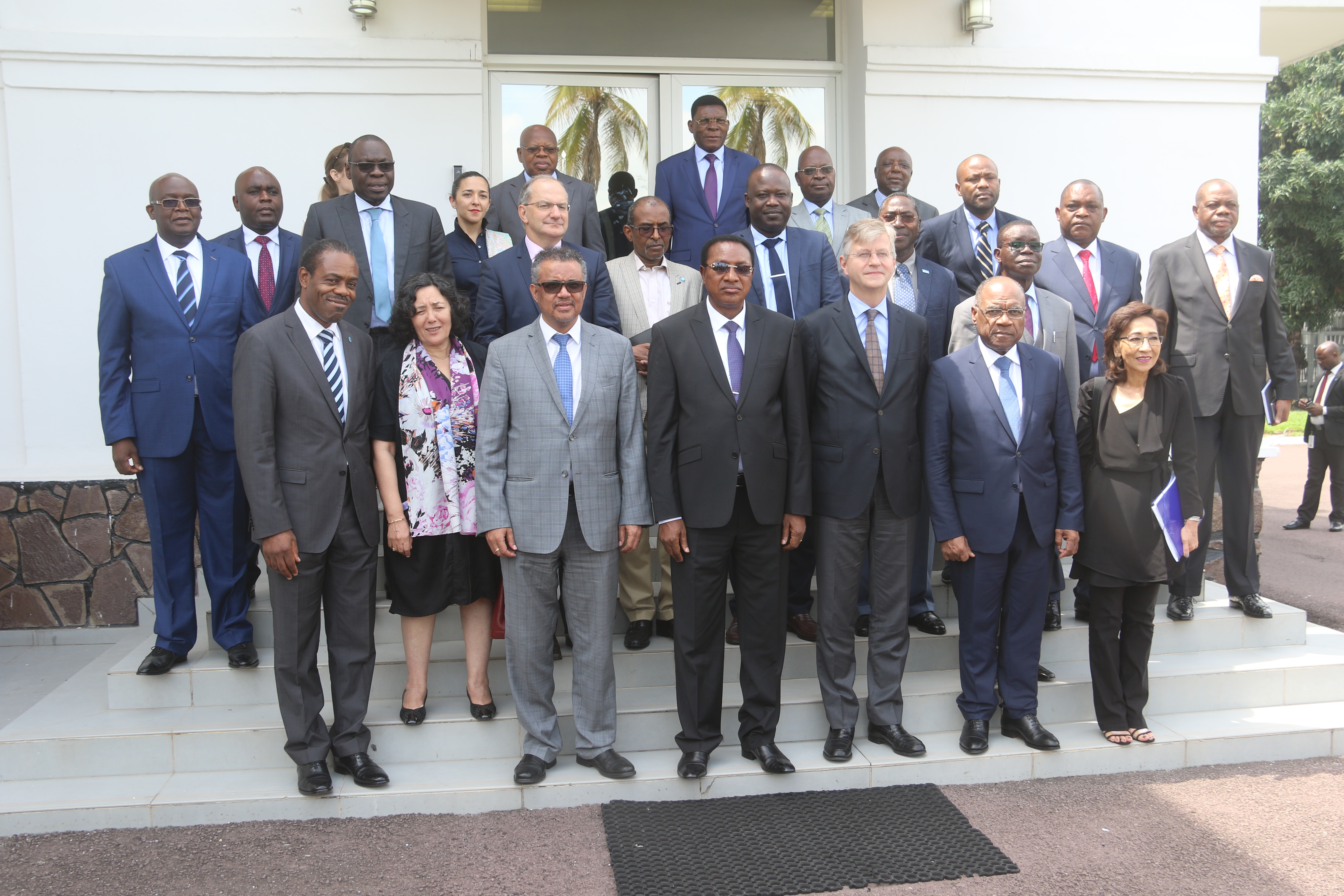
World Health Organization chief Tedros Adhanom Ghebreyesus said Wednesday that the Democratic Republic of Congo faces a "catastrophic collision" of Ebola and war [1].
The intersection of a deadly viral outbreak and active combat creates a critical humanitarian crisis. When armed conflict restricts the movement of medical personnel and essential supplies, the ability to contain a highly infectious disease like Ebola diminishes, risking a wider regional epidemic [1, 3].
The situation is most acute in the eastern Democratic Republic of Congo [2, 4]. In these regions, ongoing fighting has created volatile environments that prevent health workers from reaching infected populations and delivering life-saving treatments [1, 3].
Tedros said the current conditions are hampering the response effort. The WHO chief called for an immediate ceasefire to allow medical teams to operate without the threat of violence, a necessity for stabilizing the public health crisis [1, 5].
Without a cessation of hostilities, the WHO warns that the outbreak could spiral further. The inability to implement contact tracing and vaccination programs in conflict zones often allows the virus to spread undetected among displaced populations [1, 3].
The call for a ceasefire highlights the dependency of global health security on political stability. The WHO continues to urge international stakeholders to prioritize humanitarian corridors to ensure that the Ebola response is not entirely derailed by the fighting [1, 5].
“the Democratic Republic of Congo faces a "catastrophic collision" of Ebola and war”
This crisis illustrates the 'syndemic' nature of health emergencies in conflict zones, where the disease and the violence reinforce one another. The inability to maintain a 'cold chain' for vaccines or conduct contact tracing in active war zones means that standard medical protocols are ineffective, potentially turning a manageable outbreak into a prolonged regional disaster.


