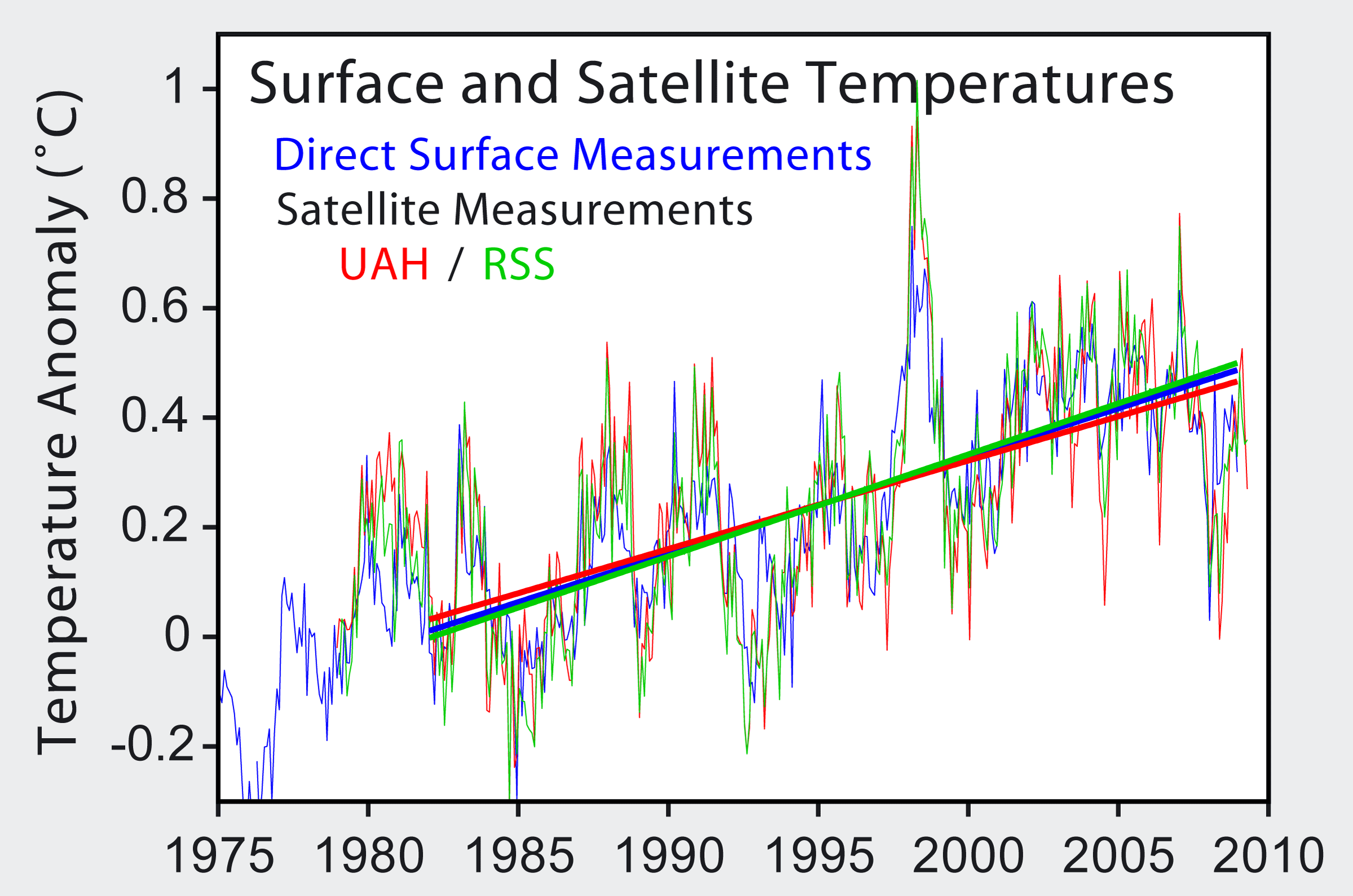
Scientists said the planet is warming almost everywhere except for one specific region [1].
This trend underscores the broad impact of climate change while highlighting the complexity of atmospheric patterns that can create localized anomalies. Understanding these exceptions helps researchers refine global climate models and predict future weather extremes.
According to recent observations, the overall warming of the globe is attributed to climate change [1]. While most of the world experiences rising temperatures, one unnamed region has emerged as an exception to this trend. Researchers said this area represents an anomalous pattern in an otherwise consistent global increase [1].
These atmospheric shifts can lead to unpredictable outcomes in different parts of the world. For example, scientists discussed a hypothetical deep-freeze scenario that could result in temperatures reaching –20 °C in London [1]. Such extreme cold events can occur even as the rest of the planet continues to heat up.
Observations from this summer's heatwaves further illustrate the prevailing trend of global warming [1]. The contrast between these heat-stressed areas and the one non-warming region provides a critical data point for climate science. Researchers said they continue to monitor these discrepancies to determine if the anomalous region is a temporary fluctuation or a long-term deviation.
Future projections suggest that while the general trajectory is upward, regional variations will persist. The ability of certain areas to resist warming does not negate the broader scientific consensus on global temperature rises [1]. Instead, it emphasizes the role of ocean currents, wind patterns, and geographic features in modulating local climates.
“The planet is warming almost everywhere except for one specific region.”
The existence of a non-warming region amid a global heating trend demonstrates that climate change does not manifest uniformly. These anomalies often result from complex interactions between the atmosphere and oceans, suggesting that while the global average temperature rises, localized weather patterns can still produce extreme cold or stability.