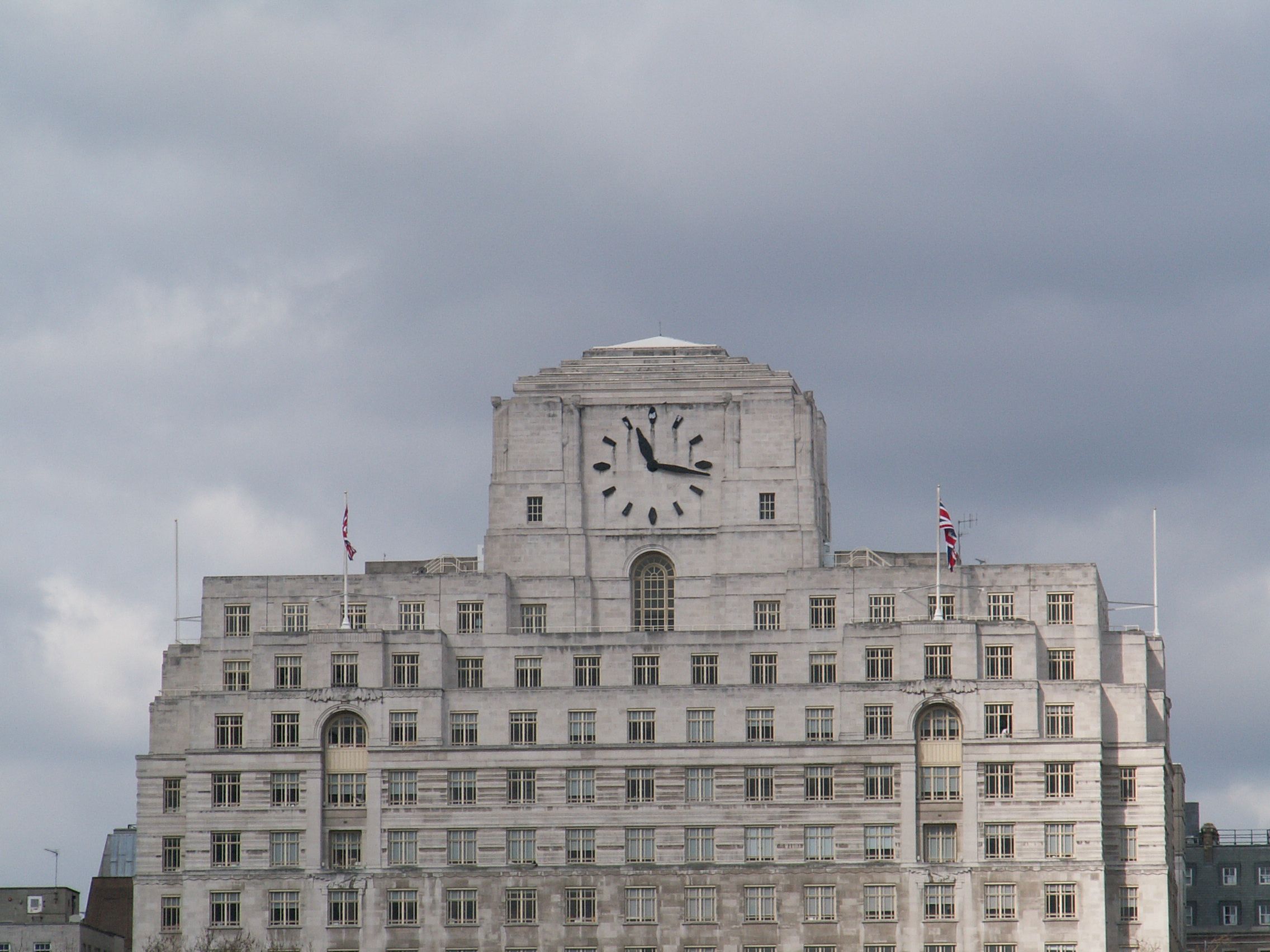
The European Central Bank warned Friday that consumer price expectations in the euro zone may rise further due to the war in Iran [1].
This warning comes as the central bank struggles to stabilize prices while facing severe geopolitical volatility. If consumer expectations for future inflation remain high, it can create a self-fulfilling cycle that forces the bank to maintain higher interest rates for longer, further stifling economic growth.
The conflict in Iran has triggered an energy-price shock that is fueling inflation across the euro area [2]. An ECB spokesperson said the war is driving an energy-led rise in inflation while simultaneously taking a toll on economic activity [2]. These pressures have kept euro-zone inflation above the bank's 2% target [3].
Economic data indicates the region is already under significant strain. Euro-zone economic activity shrank in May at its sharpest rate in more than two and a half years [4]. This contraction highlights the fragility of the economy as it faces both rising costs and falling demand.
Researchers at the ECB noted that consumers may be carrying a "double scar" from recent inflation and repeated geopolitical shocks [1]. This psychological impact can lead households and businesses to raise prices and wage demands in anticipation of further shocks, complicating the bank's efforts to return inflation to its target.
These persistent risks are influencing investor behavior. A market analyst said financial markets are now pricing in roughly 90% probability of a June rate hike [5]. Such a move would be intended to curb inflation but could exacerbate the current economic contraction.
The ECB previously addressed these concerns in a statement on April 30, where it kept rates on hold while warning about the potential hit from the war in Iran [2].
“Consumers may be carrying a "double scar" from recent inflation and repeated geopolitical shocks.”
The ECB is facing a classic central bank dilemma: 'stagflation.' The war in Iran is creating cost-push inflation via energy prices while simultaneously suppressing economic activity. If the ECB raises rates to combat this inflation, it risks deepening the current economic contraction. However, if it fails to act and inflation expectations become entrenched, the long-term economic damage could be more severe.