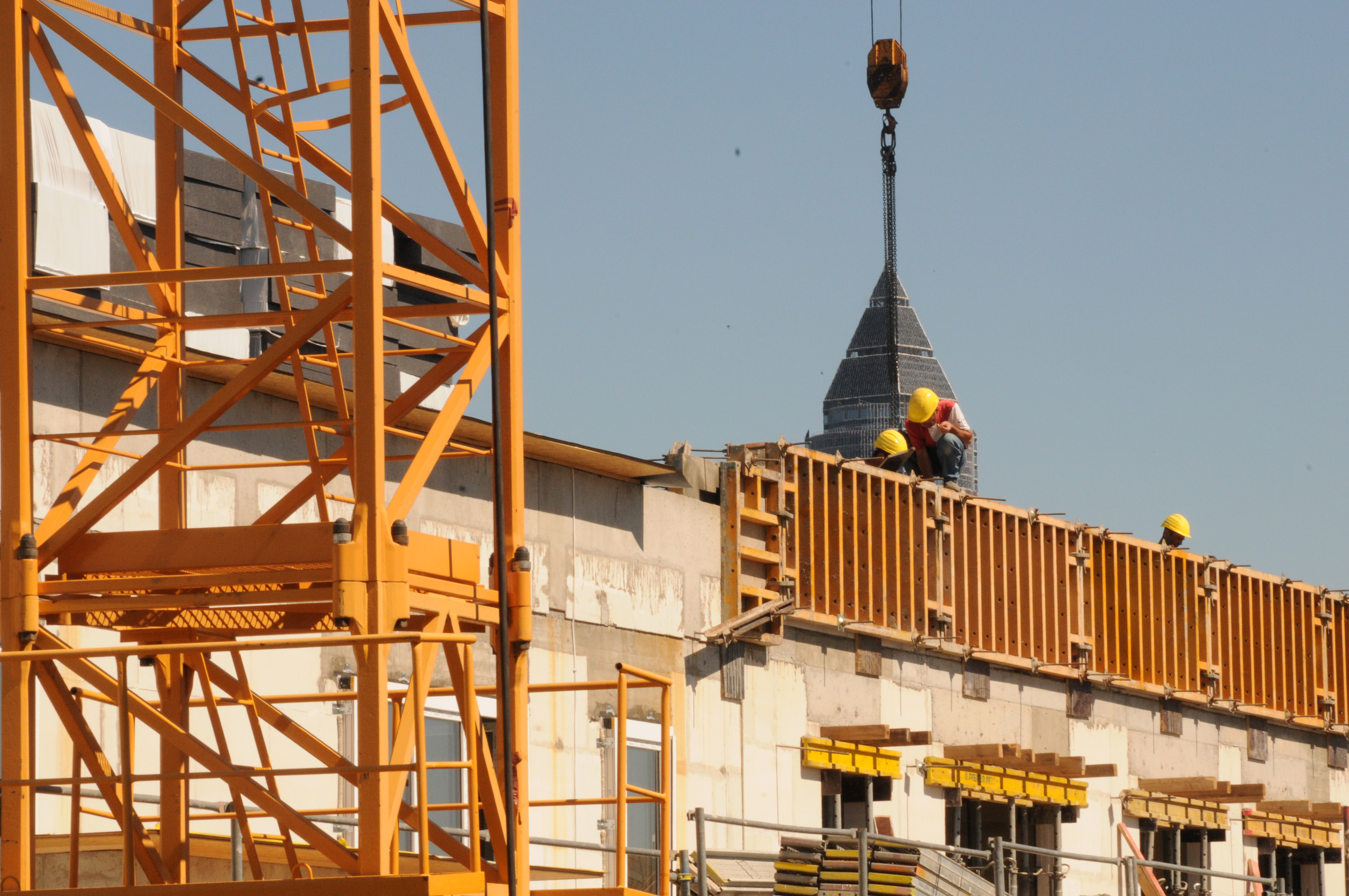
Eco-construction techniques using low-emission materials and improved insulation are keeping building interiors cooler during current heatwaves in Northern Europe [1, 2].
This shift in building strategy is critical because Northern European architecture was traditionally designed to retain heat. As heatwaves occur earlier and with greater intensity, these structures can become dangerous for occupants without updated cooling strategies [1, 2].
Millions of people are sweltering in heatwaves that started earlier than ever this year [2]. To combat this, architects are implementing methods that prioritize thermal regulation and the use of sustainable materials to reduce the reliance on energy-heavy air conditioning [1, 2].
These eco-friendly methods focus on high-performance insulation and materials that emit fewer pollutants during production. While these choices improve the internal climate, they require a larger financial investment than traditional construction practices [1, 2].
Industry experts said the higher cost is a trade-off for long-term resilience. The goal is to move away from buildings that trap heat, a design flaw that has become a liability as summer temperatures rise in the region [1, 2].
“Eco-construction techniques are keeping building interiors cooler during current heatwaves.”
The adoption of eco-construction in Northern Europe represents a fundamental shift in urban planning. By prioritizing cooling over heat retention, the region is attempting to adapt its infrastructure to a changing climate, though the higher cost of these materials remains a significant barrier to widespread implementation.