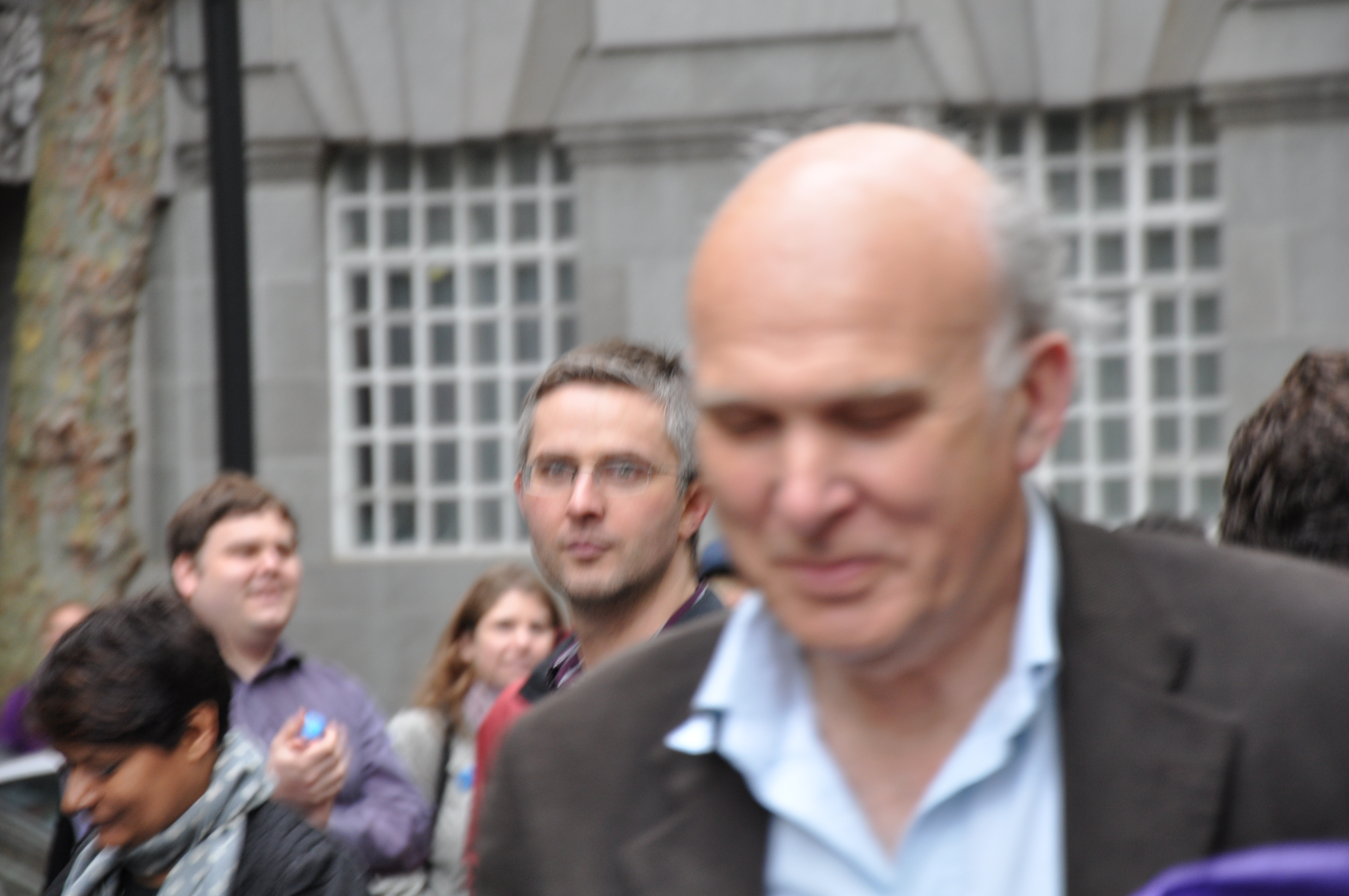
Liberal Democrat leader Sir Ed Davey is campaigning for a historic victory in the 2026 London local elections [1].
The outcome of these elections could shift the local political landscape by challenging the dominance of established rivals and expanding the party's footprint in the capital.
Davey said the party is entering the contest with confidence, stating, "We go into these elections with our tails up. You will be surprised how well Liberal Democrats do in London" [1]. A primary goal for the party is to gain a fourth council [1]. This expansion would signal a significant increase in the party's administrative control within the region.
While the campaign heavily emphasizes the capital, the party is also looking toward the north of England. Davey said the Liberal Democrats can make a "real breakthrough" in local elections, specifically targeting areas such as Newcastle [2]. This dual strategy suggests an attempt to build a broader national momentum through localized gains.
In London, the party is positioning itself against various competitors, including Reform [1]. The battle for council seats often hinges on specific borough dynamics, such as the competition seen in the borough of Sutton [3].
By targeting both the urban center of London and northern strongholds, the party seeks to prove its appeal across different demographics. The 2026 cycle represents a critical test of whether the party can translate its current momentum into tangible governance roles at the local level [2, 4].
“"We go into these elections with our tails up."”
The Liberal Democrats' strategy indicates a shift toward aggressive expansion in both metropolitan and northern hubs. By attempting to secure a fourth council in London while simultaneously pushing for breakthroughs in cities like Newcastle, the party is attempting to transition from a third-party spoiler to a viable local governing force. Success in these regions would provide the party with a stronger platform for future general elections.


