Brazil's Supreme Federal Court sentenced former federal deputy Eduardo Bolsonaro for the crime of coercion on June 16, 2024 [1].
The ruling marks a significant legal blow to the son of former President Jair Bolsonaro. It highlights the court's willingness to penalize efforts to manipulate the judicial process through external international pressure.
The conviction stems from the so-called "tarifaço" case. According to court records, Bolsonaro was found guilty of coercing the judicial process as part of a broader effort to influence the U.S. to impose sanctions against Brazil [1], [2]. This scheme aimed to use foreign diplomatic and economic leverage to interfere with domestic legal proceedings.
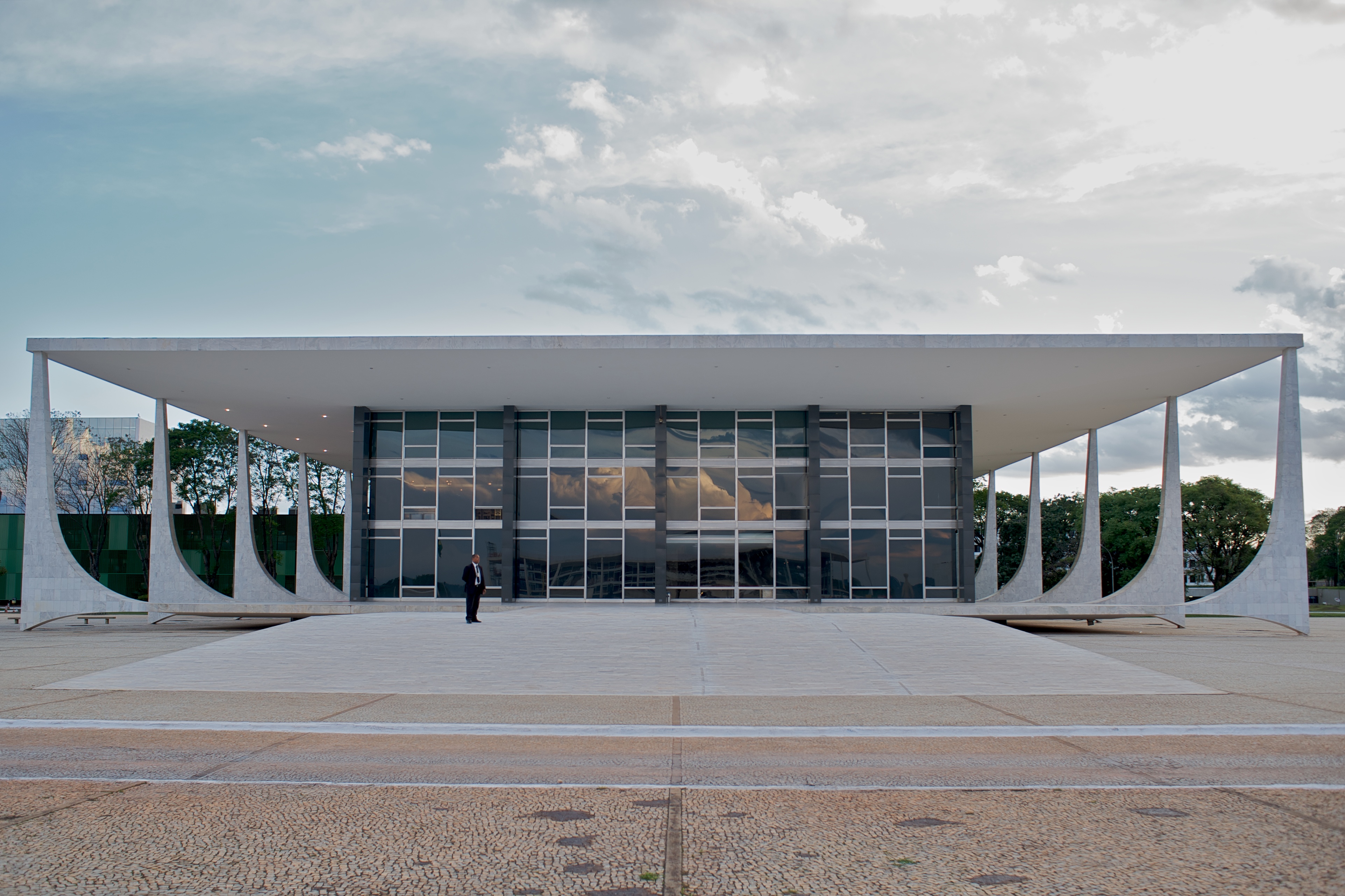
The decision was reached by the First Chamber of the Supreme Federal Court (STF) in Brasília [1]. The judges delivered the verdict by a unanimous vote [2].
Legal analysts said that the charge of coercion focuses on the attempt to obstruct or influence the administration of justice. By seeking to trigger U.S. sanctions to pressure the Brazilian judiciary, the court determined that Bolsonaro crossed the line from political advocacy into criminal coercion [1].
The case has drawn attention to the intersection of international relations and domestic law in Brazil. The STF has recently increased its scrutiny of actions it perceives as threats to democratic institutions, or the independence of the judiciary [2].
Eduardo Bolsonaro has previously served as a federal deputy and has been a prominent figure in the conservative movement in Brazil. This sentencing adds to a series of legal challenges facing the Bolsonaro family since the end of the previous administration [1].
“The decision was reached by the First Chamber of the Supreme Federal Court in Brasília.”
This conviction signals that the Brazilian Supreme Court views the solicitation of foreign sanctions to influence domestic legal outcomes as a criminal offense rather than protected political speech. It reinforces the STF's current strategy of aggressively defending judicial autonomy against perceived external and internal pressures.


