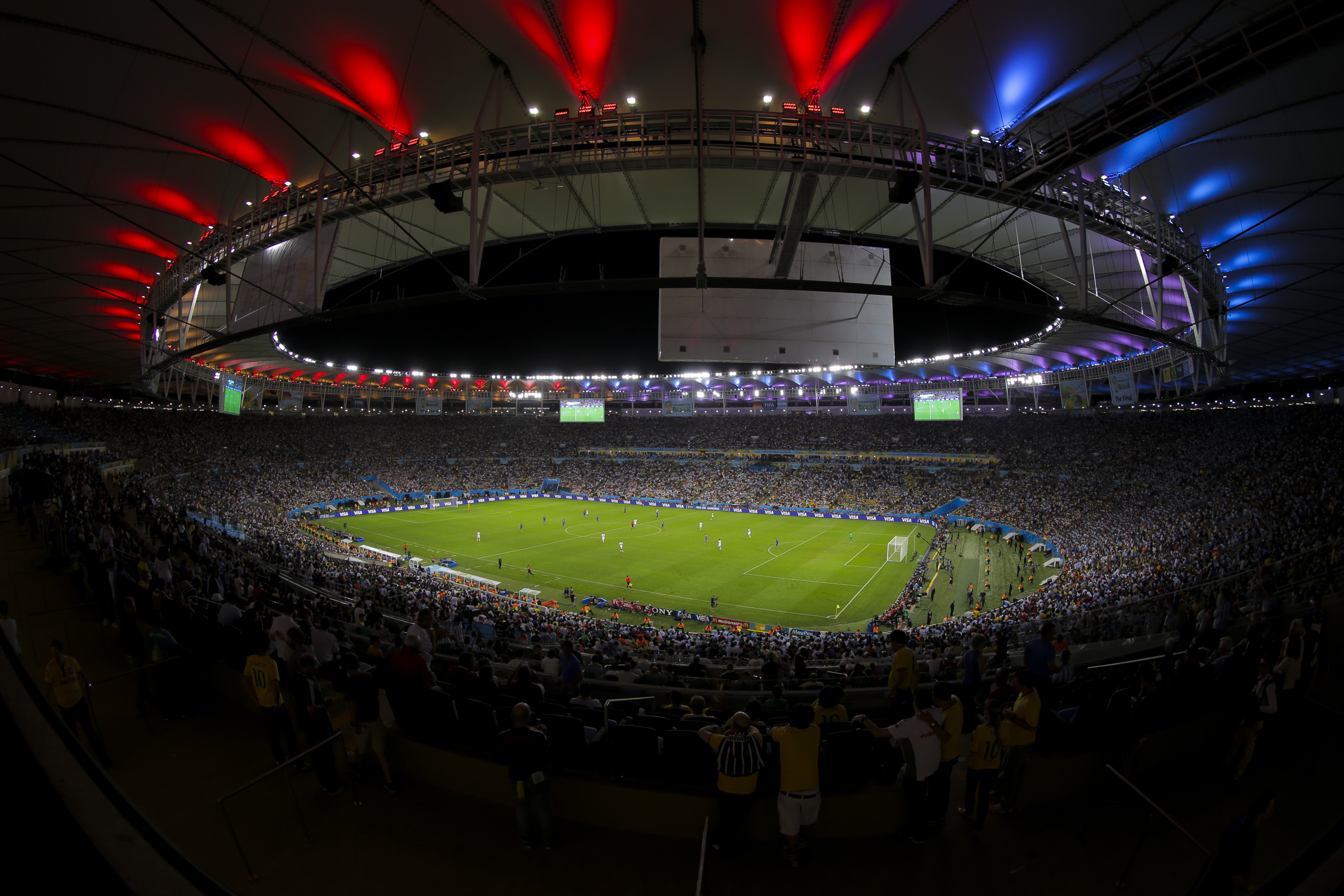
Egypt was eliminated from the 2026 [1] World Cup after losing 3-2 [2] to Argentina in a match marked by refereeing disputes.
The exit is significant because it has sparked a diplomatic and sporting clash between the Egyptian national team and FIFA. The controversy centers on allegations that the governing body prioritized the interests of a global superstar over fair play.
Manager Hossam Hassan said the result was an injustice. He said that FIFA protected the interests of Lionel Messi, which he believes influenced the outcome of the game [3]. The Egyptian coaching staff and players expressed outrage following the final whistle, citing specific officiating decisions that they believe led to their exit [4].
Despite the bitterness surrounding the result, the team's performance has drawn mixed reactions. Some reports indicate that players and the coach cried foul over the controversial nature of the defeat [4]. Other accounts suggest the team has remained buoyed by support from fans, social media, and world leaders who praised their effort despite the loss [4].
The match ended with a final score of 3-2 [2], sending Argentina forward and ending Egypt's hopes in the 2026 [1] tournament. The Egyptian squad faced their supporters in a dejected farewell as they departed the competition.
Hassan said the perceived bias in the match was unacceptable. The manager's criticisms focus on the systemic protection of high-profile players, a claim that has intensified the emotional fallout for the Egyptian side [3].
“Egypt was eliminated from the 2026 World Cup after losing 3-2 to Argentina”
The clash between Egypt and Argentina highlights the ongoing tension between the commercial interests of FIFA's biggest stars and the sporting integrity of the tournament. By accusing the governing body of protecting Lionel Messi, Egypt is challenging the perceived neutrality of World Cup officiating, which may lead to increased calls for transparency in refereeing for underdog nations.


