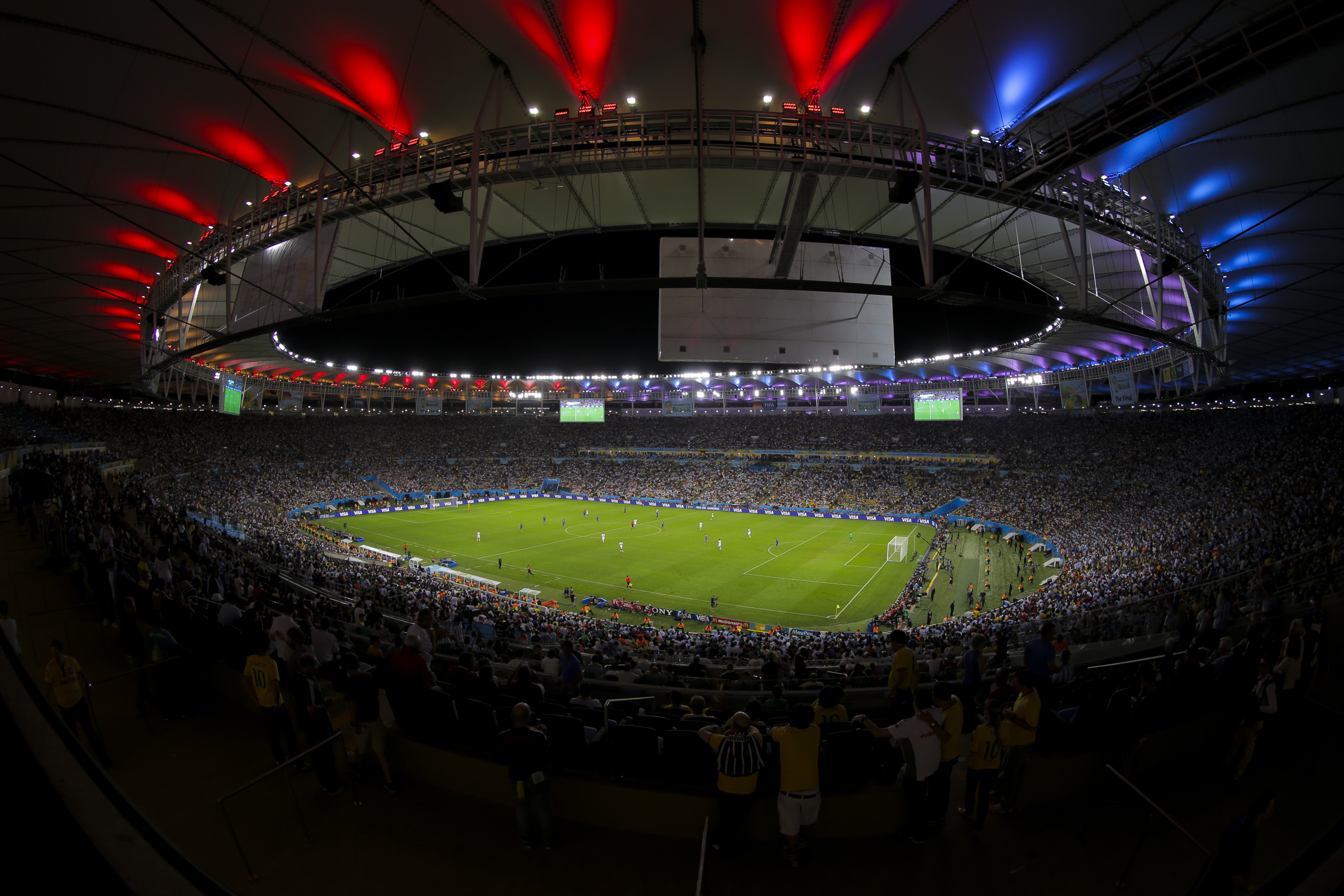
The Egypt national team has accused FIFA of unfair refereeing following a defeat to Argentina in the FIFA World Cup [1].
The dispute centers on the use of technology to overturn goals, raising questions about the consistency of video assistant referee (VAR) decisions in high-stakes international matches.
Controversy erupted when the video assistant referee disallowed a goal scored by Mustafa Zico [1]. The decision sparked immediate anger from the Egyptian squad, who said the ruling was unjust and unfairly influenced the outcome of the match [1].
Argentina secured a 3-0 victory in the contest [2]. The win was driven by a dominant performance from Lionel Messi, who scored three goals during the match [3].
While the scoreboard showed a decisive lead for Argentina, the Egyptian side focused on the officiating. The team's frustration stemmed from the belief that a legitimate goal was stripped away by the VAR, a tool intended to ensure fairness but which often becomes a point of contention for teams on the losing end of a call [1].
FIFA has not yet issued a formal response to the specific allegations made by the Egyptian camp. The match serves as another example of the tension between traditional officiating and the implementation of digital review systems in global football.
“The Egypt national team has accused FIFA of unfair refereeing”
This incident highlights the ongoing friction between national teams and FIFA's VAR system. When a high-profile player like Messi dominates a game, officials are under increased scrutiny; any perceived error in favor of a superstar or a powerhouse nation like Argentina can lead to accusations of systemic bias, potentially damaging the perceived integrity of the tournament.


