
Modern ocean fish communities emerged rapidly following the mass extinction event that killed the dinosaurs, according to a new study.
This discovery changes the understanding of marine evolution by demonstrating how quickly ecological niches were filled after a global catastrophe. The findings suggest that the removal of dominant predators allowed new species to diversify at an accelerated pace.
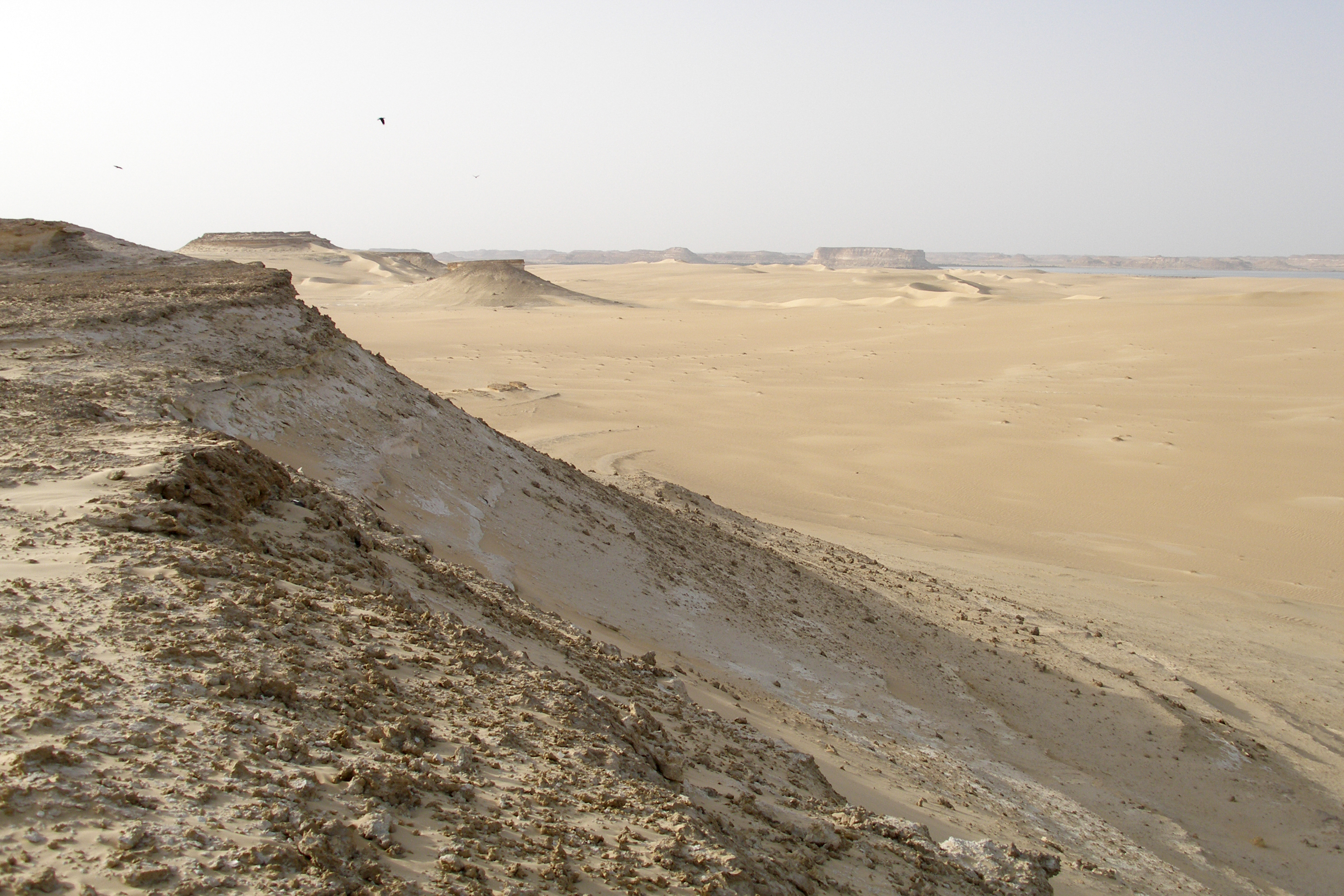
A team of paleontologists and marine biologists recovered nearly 500 specimens [1] from a fossil site located in the Western Desert of Egypt. These fossils are approximately 62 million years old [2], placing them shortly after the Cretaceous-Paleogene extinction event.
The researchers said the site acted as a petrified aquarium, preserving a snapshot of early marine life. Because the mass extinction cleared out the previous dominant marine predators, it opened vast ecological opportunities for surviving fish lineages.
This rapid diversification allowed modern marine fish faunas to establish themselves in the wake of the disaster. The evidence from the Egyptian site indicates that the transition to modern ocean communities happened much sooner than some previous models suggested.
The study was published in June 2026, providing a detailed look at the recovery of oceanic biodiversity. Scientists said the ability of these fish to adapt and multiply quickly highlights the resilience of marine ecosystems following extreme environmental shifts.
“Modern ocean fish communities emerged rapidly following the mass extinction event that killed the dinosaurs.”
The speed of this biological recovery suggests that marine ecosystems possess a high capacity for rapid reorganization when competitive pressures are removed. By identifying a concrete timeline of 62 million years ago, scientists can better map the evolutionary trajectory of current ocean life and understand how biodiversity rebounds after global extinction events.


