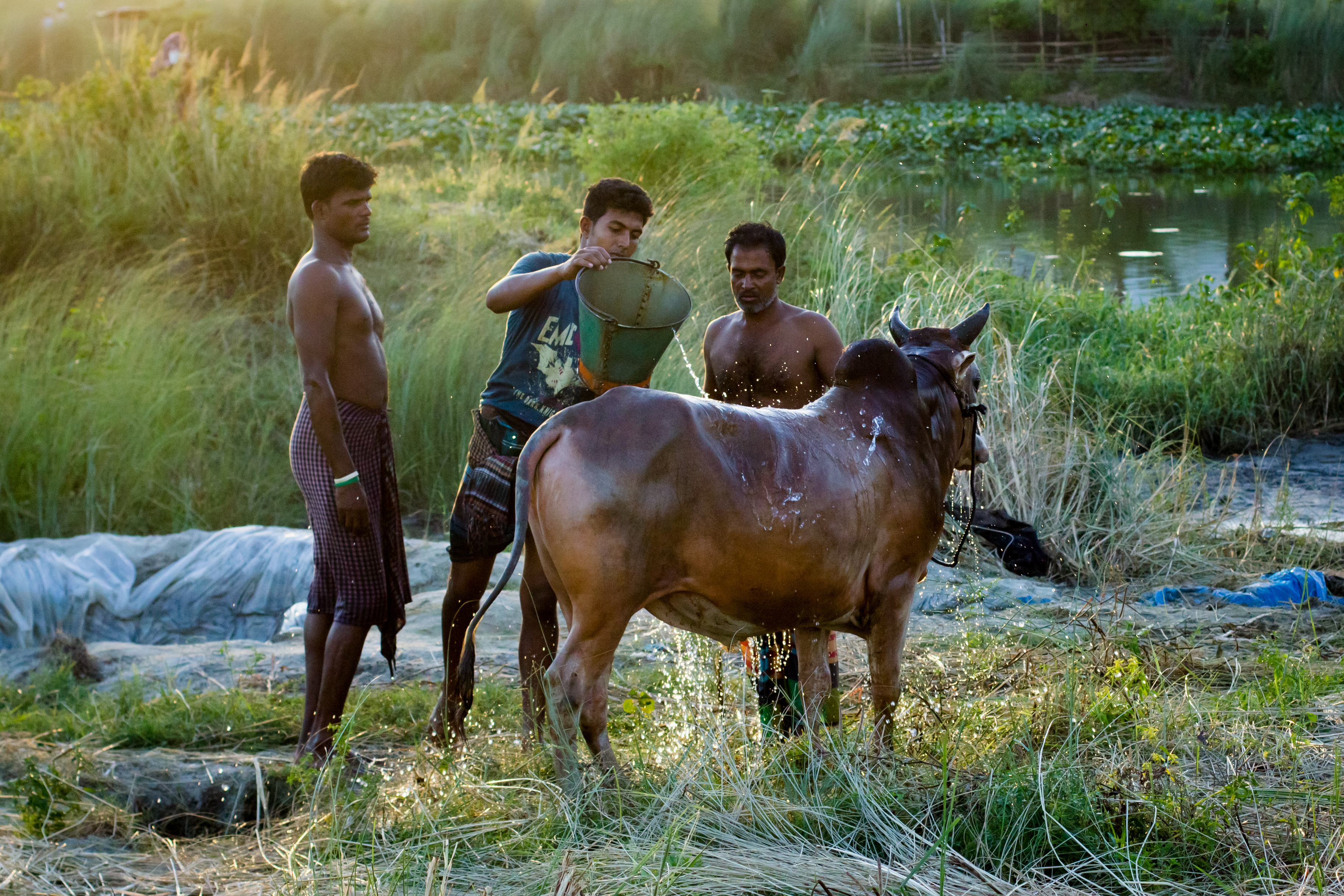
Cattle markets in South Asia are seeing increased activity as buyers and farmers prepare for the upcoming Eid-ul-Adha holiday [1, 2].
This seasonal surge represents a critical economic period for livestock traders and farmers, who face fluctuating costs and evolving consumer preferences for high-quality animals. The integration of financial technology and modern farming indicates a shift toward formalizing traditionally cash-based agricultural trade.
In Lahore, Pakistan, authorities are introducing new ways to handle the high volume of transactions. The State Bank of Pakistan launched the ‘Go Cashless’ campaign for Eid-ul-Azha 2026 at the Shahpur Kanjra Cattle Market [1]. The initiative, supported by the Punjab Cattle Market Management and Development Company, aims to reduce the reliance on physical currency during the rush of the holiday season [1].
Similar transformations are occurring in Bangladesh. In Chittagong, modern agro-farms are beginning to reshape the Qurbani cattle market by providing more standardized livestock [2]. Meanwhile, farmers in Jhalakathi are preparing their animals for sale despite facing challenges with rising feed costs [3].
Market volatility is also affecting livestock prices beyond South Asia. In the UAE, the cost of Somali sheep rose by 40% ahead of the Eid-Al-Adha rush [4]. This price hike reflects the broader regional pressure on supply chains as the religious requirement for sacrificial animals drives global demand [4].
These developments highlight a transition in how livestock is bred and sold. While traditional markets remain central, the introduction of digital payments and professional agro-farming suggests that the industry is moving toward a more structured commercial model to ensure stability, and transparency [1, 2].
“The State Bank of Pakistan launched the ‘Go Cashless’ campaign for Eid-ul-Azha 2026.”
The shift toward digital payments and industrial agro-farming suggests a modernization of the livestock trade to mitigate the risks of cash-heavy transactions and inconsistent breeding. As demand spikes annually, these structural changes aim to stabilize supply chains and increase financial transparency in an industry that has historically operated on informal agreements.