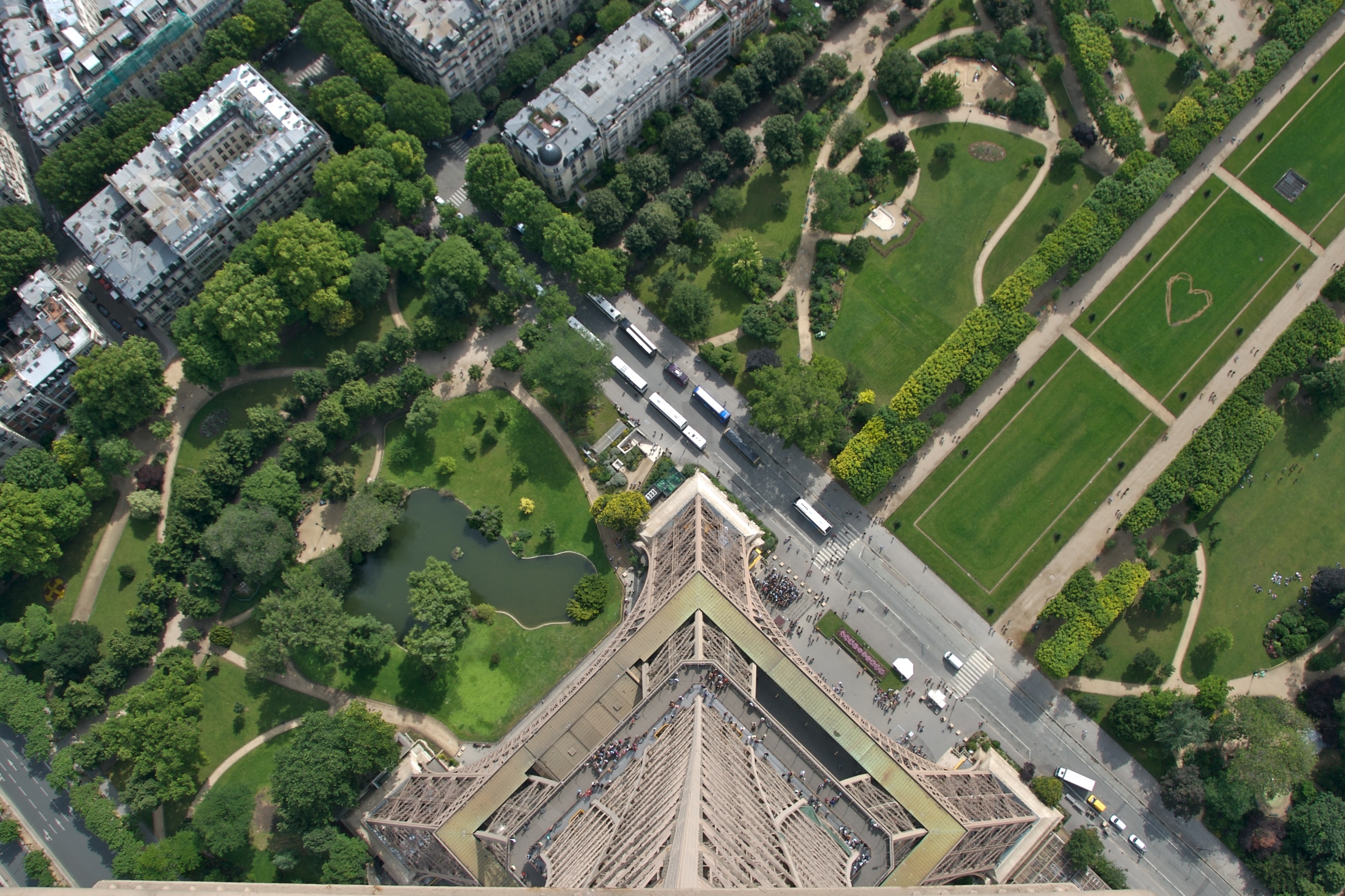
The Eiffel Tower closed early on June 23, 2026 [1], after a historic heatwave created unsafe conditions for visitors in Paris.
The closure highlights the immediate impact of extreme weather on global tourism and public safety during an unprecedented climatic event. As France records its hottest day ever, the risk of heat-related illness has forced the management of the landmark to prioritize visitor health over operational hours.
Temperatures in Paris climbed above 104 °F [3], contributing to a broader crisis across the region. The heatwave has had lethal consequences beyond the city center, with at least 40 heat-related drownings reported in France on the same day [3].
Landmark management decided to shut the tower early to prevent medical emergencies on the structure [1]. The decision comes as Europe swelters under an early-season heatwave that has pushed national temperature records to new heights [3].
While the Eiffel Tower is designed to withstand various environmental stresses, the extreme thermal conditions of this specific event created a hazardous environment for the thousands of tourists who visit the site daily. The early closure was a preventative measure to ensure that guests and staff were not exposed to prolonged, dangerous heat while navigating the monument's elevators, and observation decks.
Local authorities have remained on high alert as the heatwave continues to affect the region. The combination of record-breaking temperatures and the resulting public health crisis has placed a significant strain on emergency services across the country.
“The Eiffel Tower closed early on June 23, 2026, after a historic heatwave created unsafe conditions.”
The closure of one of the world's most visited monuments serves as a tangible indicator of how rising global temperatures are disrupting urban infrastructure and tourism. When historic landmarks are forced to shut down to protect public health, it suggests that current city management strategies may be insufficient for the increasing frequency of extreme heat events.

'%2F%3E%0A%20%20%20%20%3Crect%20width%3D'1600'%20height%3D'900'%20fill%3D'url(%23v)'%2F%3E%0A%20%20%20%20%3Cg%20opacity%3D'0.08'%20fill%3D'%23ffffff'%3E%0A%20%20%20%20%20%20%3Ccircle%20cx%3D'1420'%20cy%3D'180'%20r%3D'220'%2F%3E%0A%20%20%20%20%20%20%3Ccircle%20cx%3D'1500'%20cy%3D'760'%20r%3D'120'%2F%3E%0A%20%20%20%20%3C%2Fg%3E%0A%20%20%20%20%3Cline%20x1%3D'80'%20y1%3D'172'%20x2%3D'220'%20y2%3D'172'%20stroke%3D'%23ffffff'%20stroke-width%3D'3'%20stroke-opacity%3D'0.6'%2F%3E%0A%20%20%20%20%3Ctext%20x%3D'80'%20y%3D'140'%20font-family%3D'Inter%2C%20-apple-system%2C%20Helvetica%2C%20sans-serif'%20font-weight%3D'700'%20font-size%3D'28'%20fill%3D'%23ffffff'%20letter-spacing%3D'6'%3EHANNA%20%C2%B7%20NEWS%3C%2Ftext%3E%0A%20%20%20%20%3Ctext%20x%3D'80'%20y%3D'230'%20font-family%3D'Inter%2C%20-apple-system%2C%20Helvetica%2C%20sans-serif'%20font-weight%3D'600'%20font-size%3D'40'%20fill%3D'%23ffffffb3'%20letter-spacing%3D'4'%3EWORLD%3C%2Ftext%3E%0A%20%20%20%20%3Ctext%20x%3D'80'%20y%3D'694'%20font-family%3D'Playfair%20Display%2C%20Georgia%2C%20serif'%20font-weight%3D'800'%20font-size%3D'110'%20fill%3D'%23ffffff'%20letter-spacing%3D'-1'%3EFrance%20Records%20Hottest%20Day%3C%2Ftext%3E%3Ctext%20x%3D'80'%20y%3D'820'%20font-family%3D'Playfair%20Display%2C%20Georgia%2C%20serif'%20font-weight%3D'800'%20font-size%3D'110'%20fill%3D'%23ffffff'%20letter-spacing%3D'-1'%3ESince%201947%3C%2Ftext%3E%0A%20%20%20%20%3Ctext%20x%3D'80'%20y%3D'870'%20font-family%3D'Inter%2C%20-apple-system%2C%20Helvetica%2C%20sans-serif'%20font-weight%3D'500'%20font-size%3D'22'%20fill%3D'%23ffffff66'%20letter-spacing%3D'2'%3Enews.hanna-ai.com%3C%2Ftext%3E%0A%20%20%3C%2Fsvg%3E)
