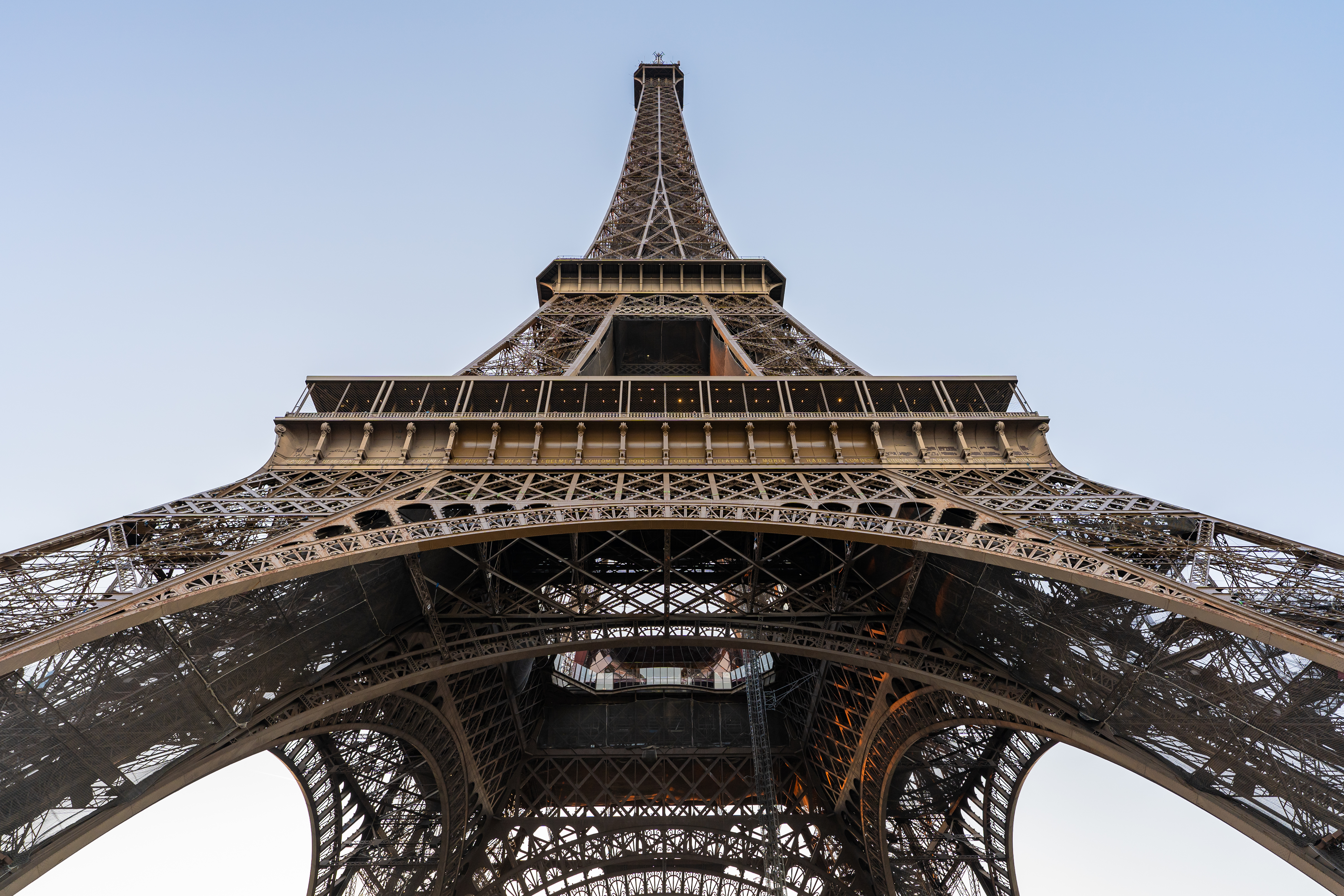
The Eiffel Tower closed at 4 p.m. on Saturday, July 11, as a severe heatwave swept across France [1].
The early closure highlights the growing strain on public infrastructure and tourism during extreme weather events. With temperatures approaching 100°F [4], the decision reflects an urgent need to prioritize visitor safety over standard operating hours.
Société d'Exploitation de la Tour Eiffel, the tower's operator, said the monument would "exceptionally close" to mitigate risks associated with the heat [1]. This measure comes as France grapples with its third heatwave since May [4].
The weather emergency is widespread, with a red heat alert currently covering 24 departments in north-western France [2]. This alert affects more than 22 million people [3] as the region experiences soaring temperatures.
Other Paris landmarks and museums have also implemented early closures to protect staff and tourists from the oppressive heat [5]. The extreme conditions have had broader impacts on national events, including the shortening of the Tour de France [4].
Local authorities continue to monitor the situation as the heatwave persists over the weekend. The decision to shutter the city's most famous landmark serves as a visible marker of the intensity of the current climate emergency affecting the region.
“The Eiffel Tower closed at 4 p.m. on Saturday, July 11, as a severe heatwave swept across France.”
The repeated occurrence of heatwaves in France—three since May—indicates a shift in seasonal weather patterns that forces the adaptation of urban management. By closing high-traffic landmarks like the Eiffel Tower, city officials are acknowledging that traditional tourism infrastructure is not equipped for sustained temperatures near 100°F, potentially leading to permanent changes in how Paris manages summer crowds and public health safety.


