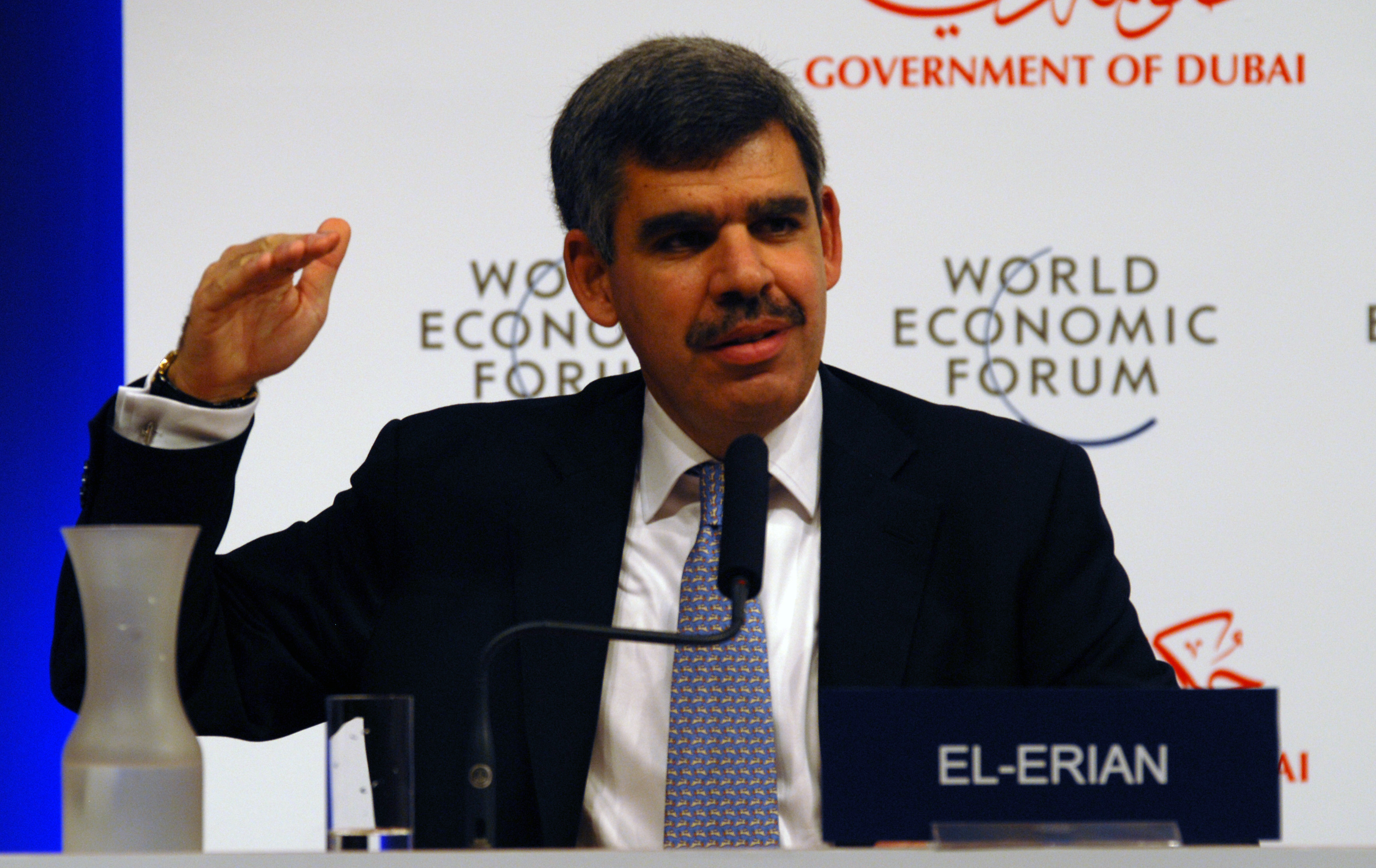
Mohamed El-Erian said the worst phase of inflation has passed during an appearance on CNBC’s "Squawk Box" and "Squawk on the Street" [1].
This assessment suggests a potential shift in the economic environment that could influence how the Federal Reserve manages interest rates and monetary tightening. If inflation pressures have truly eased, the central bank may have more flexibility to avoid aggressive hikes that could stifle economic growth.
El-Erian, who serves as the Allianz chief economic advisor and a Rene Kern professor at the Wharton School, discussed the current market outlook and the impact of artificial intelligence trends [1]. He said that the easing of price pressures allows the Federal Reserve to transition into a different phase of policy management [2].
"The worst of inflation is behind us," El-Erian said [1].
He said that the current economic landscape justifies a more cautious approach from policymakers [2]. According to El-Erian, the Federal Reserve should now remain in a wait-and-see mode rather than continuing a cycle of rapid tightening [2].
This stance reflects a broader debate among economists regarding when the U.S. economy reaches a "soft landing" — a scenario where inflation drops without triggering a severe recession. By suggesting a pause, El-Erian highlights a belief that the primary drivers of the recent inflationary surge are no longer as potent as they were in previous years [2].
His comments come as markets continue to monitor employment data and consumer spending to gauge the resilience of the economy. The shift toward a wait-and-see posture would mark a departure from the urgent tightening measures seen during the peak of the inflation crisis [2].
“"The worst of inflation is behind us."”
The perspective provided by El-Erian suggests that the aggressive phase of monetary tightening may be nearing its end. If the Federal Reserve adopts a 'wait-and-see' approach, it indicates a shift in priority from fighting immediate price spikes to maintaining economic stability, potentially signaling a period of relative interest rate steadiness.


