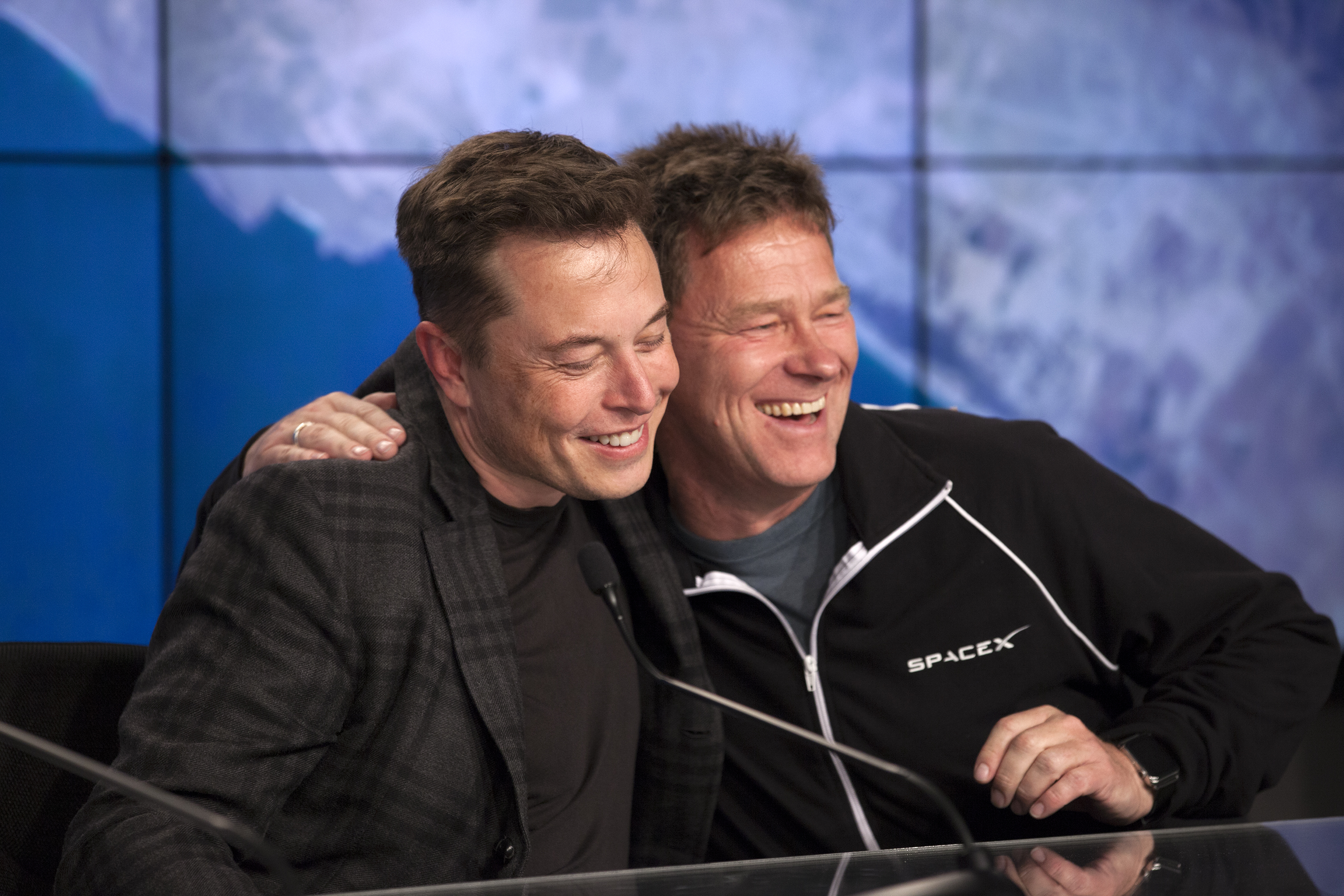
Elon Musk became the world’s first trillionaire on Friday as SpaceX made its debut on the stock market [1].
The transition of SpaceX from a private entity to a publicly traded company marks a pivotal shift in the aerospace industry. By valuing the company's rocket fleet and operational infrastructure, the debut provides a concrete market price for technology that was previously estimated through private funding rounds.
Musk, the founder and CEO of SpaceX, saw his personal net worth cross the $1 trillion threshold [1]. This valuation is tied directly to the market's reception of the company's assets and its projected growth in the global launch market.
The stock-market debut allows for a transparent assessment of the value of SpaceX rockets [1]. For years, the company maintained a dominant position in orbital delivery through its reusable rocket technology, a feat that has significantly lowered the cost of access to space.
Publicly traded status changes how the company manages its capital and reporting. The valuation of these assets now serves as a benchmark for other aerospace firms attempting to compete with the SpaceX model of rapid iteration and reuse.
While the company has long operated with a high valuation in private markets, the official debut on June 12, 2026, formalizes the scale of Musk's wealth [1]. The market's valuation of the company's hardware and intellectual property has propelled the CEO into an unprecedented tier of global wealth.
“Elon Musk became the world’s first trillionaire”
The valuation of SpaceX on the public market transforms the company from a private venture into a global financial benchmark. Musk's trillion-dollar net worth reflects the market's belief in the scalability of reusable rocket technology and the strategic importance of private infrastructure in the burgeoning space economy.

