
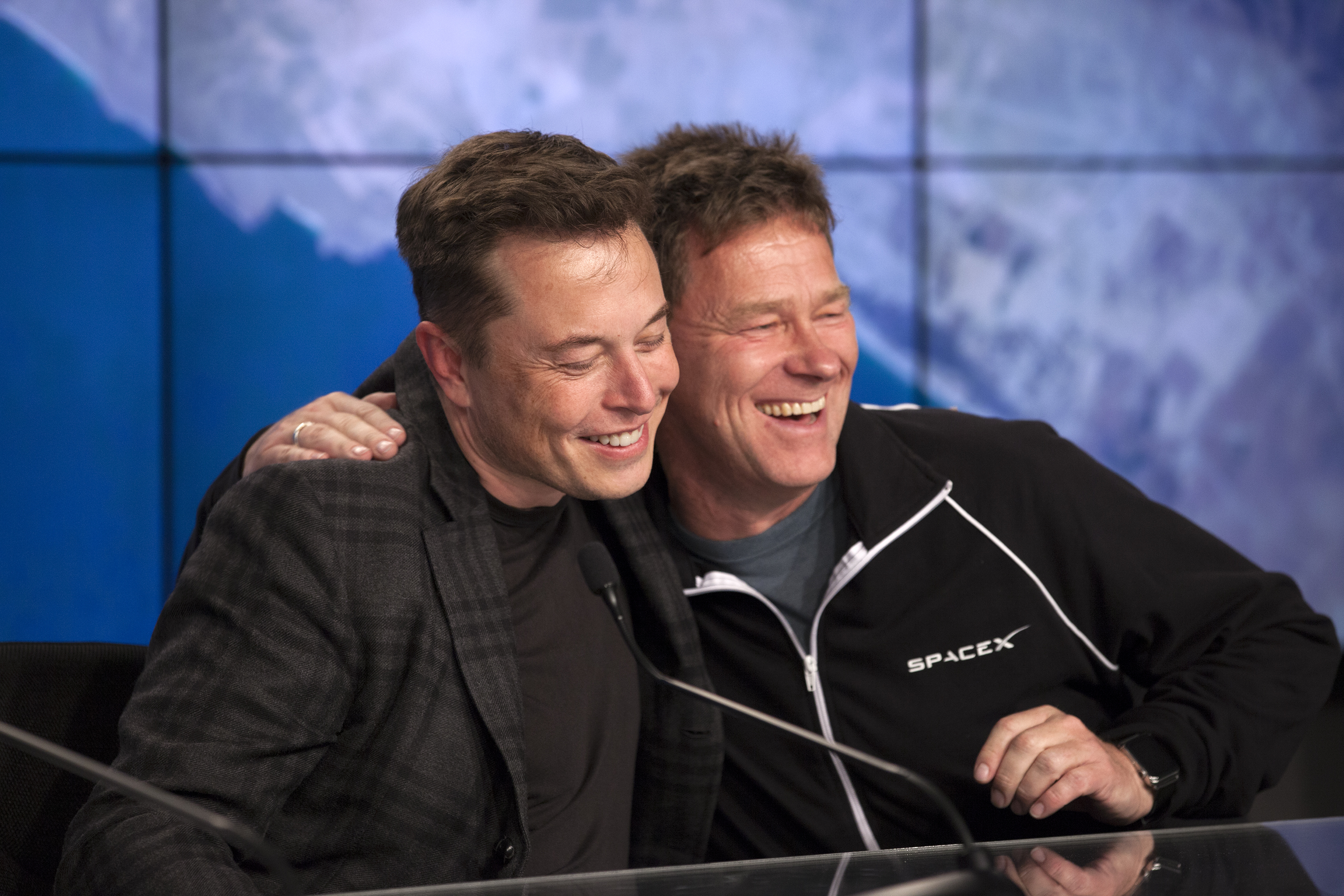
Elon Musk became the first person to reach a net worth of $1 trillion following the market debut of SpaceX on June 12, 2026 [1].
The milestone marks a historic shift in global wealth concentration. Because Musk's fortune is tied to the valuation of his companies, the public's willingness to buy shares in the rocket company directly inflates his personal paper wealth.
SpaceX began trading on the NASDAQ on Thursday [2]. The initial public offering saw high opening prices and strong demand from investors, which increased the market value of Musk's holdings [3]. This surge pushed his total net worth above $1 trillion [1].
While Musk is the primary beneficiary, the IPO also created a new class of wealthy investors. The market debut reportedly minted thousands of new millionaires [4]. These individuals include early employees, and venture capitalists who held private shares before the company went public.
Industry analysts said that the valuation relies heavily on the continued success of SpaceX's launch capabilities and satellite constellations. The transition from a private entity to a publicly traded company means the firm is now subject to the volatility of the U.S. stock market — a shift that links the CEO's wealth to the daily trading decisions of everyday investors [3].
Musk's status as a trillionaire remains a matter of paper wealth, as the value is based on the current trading price of SpaceX shares rather than liquid cash [4]. The scale of this valuation is unprecedented in the history of the global economy, reflecting the massive investor appetite for space exploration, and satellite internet infrastructure [2].
“Elon Musk became the first person to reach a net worth of $1 trillion”
The transition of SpaceX to a public company transforms the nature of Elon Musk's wealth from private equity to public market valuation. This creates a symbiotic relationship where retail investor demand directly drives the net worth of the world's wealthiest individual, while simultaneously exposing the company's valuation to the short-term pressures of quarterly earnings and public market sentiment.


'%2F%3E%0A%20%20%20%20%3Crect%20width%3D'1600'%20height%3D'900'%20fill%3D'url(%23v)'%2F%3E%0A%20%20%20%20%3Cg%20opacity%3D'0.08'%20fill%3D'%23ffffff'%3E%0A%20%20%20%20%20%20%3Ccircle%20cx%3D'1420'%20cy%3D'180'%20r%3D'220'%2F%3E%0A%20%20%20%20%20%20%3Ccircle%20cx%3D'1500'%20cy%3D'760'%20r%3D'120'%2F%3E%0A%20%20%20%20%3C%2Fg%3E%0A%20%20%20%20%3Cline%20x1%3D'80'%20y1%3D'172'%20x2%3D'220'%20y2%3D'172'%20stroke%3D'%23ffffff'%20stroke-width%3D'3'%20stroke-opacity%3D'0.6'%2F%3E%0A%20%20%20%20%3Ctext%20x%3D'80'%20y%3D'140'%20font-family%3D'Inter%2C%20-apple-system%2C%20Helvetica%2C%20sans-serif'%20font-weight%3D'700'%20font-size%3D'28'%20fill%3D'%23ffffff'%20letter-spacing%3D'6'%3EHANNA%20%C2%B7%20NEWS%3C%2Ftext%3E%0A%20%20%20%20%3Ctext%20x%3D'80'%20y%3D'230'%20font-family%3D'Inter%2C%20-apple-system%2C%20Helvetica%2C%20sans-serif'%20font-weight%3D'600'%20font-size%3D'40'%20fill%3D'%23ffffffb3'%20letter-spacing%3D'4'%3EPOLITICS%3C%2Ftext%3E%0A%20%20%20%20%3Ctext%20x%3D'80'%20y%3D'622'%20font-family%3D'Playfair%20Display%2C%20Georgia%2C%20serif'%20font-weight%3D'800'%20font-size%3D'86'%20fill%3D'%23ffffff'%20letter-spacing%3D'-1'%3EHunter%20Biden%20Defends%20US%3C%2Ftext%3E%3Ctext%20x%3D'80'%20y%3D'721'%20font-family%3D'Playfair%20Display%2C%20Georgia%2C%20serif'%20font-weight%3D'800'%20font-size%3D'86'%20fill%3D'%23ffffff'%20letter-spacing%3D'-1'%3ESenate%20Candidate%20Graham%3C%2Ftext%3E%3Ctext%20x%3D'80'%20y%3D'820'%20font-family%3D'Playfair%20Display%2C%20Georgia%2C%20serif'%20font-weight%3D'800'%20font-size%3D'86'%20fill%3D'%23ffffff'%20letter-spacing%3D'-1'%3EPlatner%20on%20Newsom%20Podcast%3C%2Ftext%3E%0A%20%20%20%20%3Ctext%20x%3D'80'%20y%3D'870'%20font-family%3D'Inter%2C%20-apple-system%2C%20Helvetica%2C%20sans-serif'%20font-weight%3D'500'%20font-size%3D'22'%20fill%3D'%23ffffff66'%20letter-spacing%3D'2'%3Enews.hanna-ai.com%3C%2Ftext%3E%0A%20%20%3C%2Fsvg%3E)
