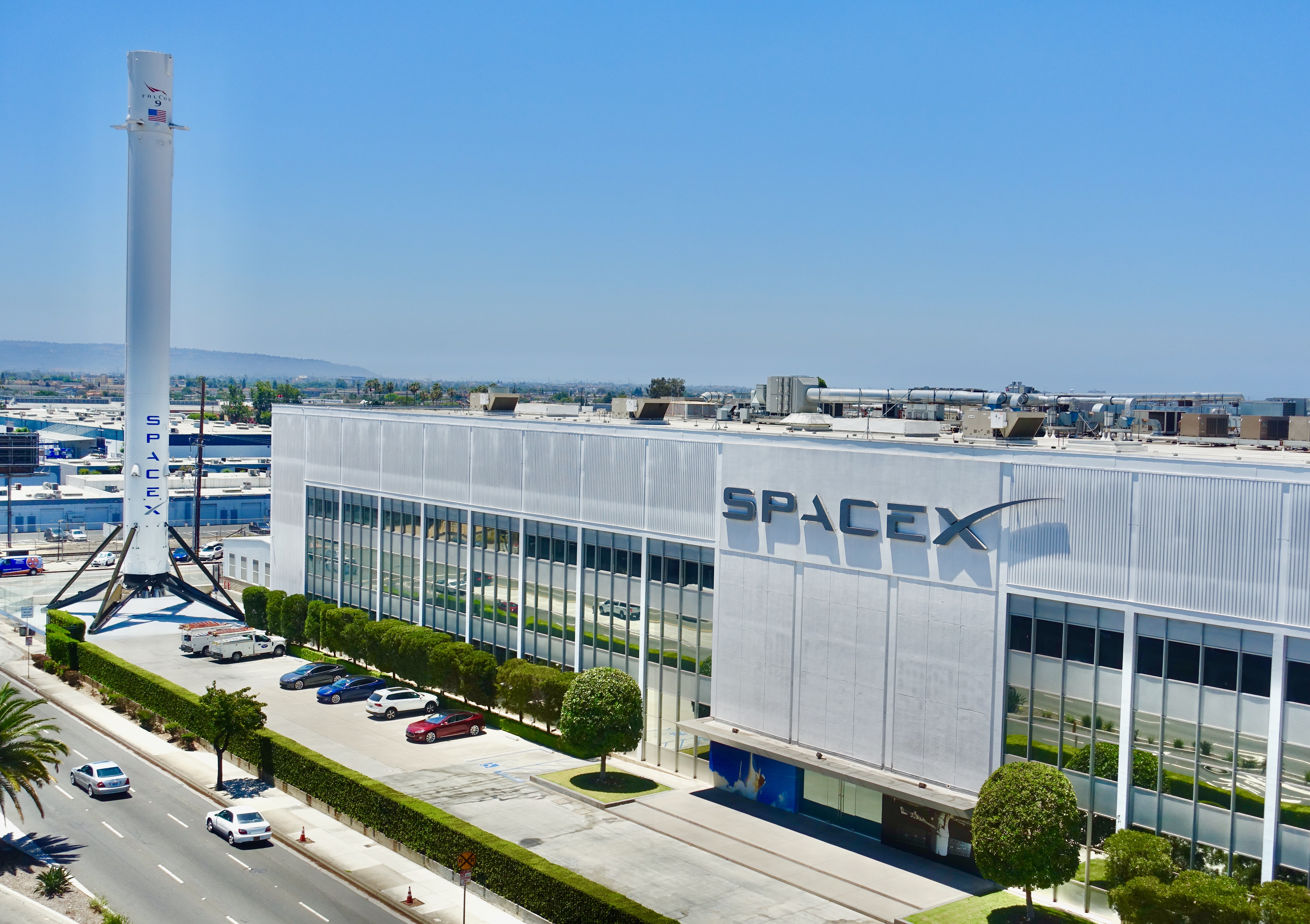
Elon Musk owns approximately 42% of SpaceX and controls more than 82% of the company's voting power [1, 2].
This concentration of authority means Musk maintains nearly total control over the aerospace company's strategic direction, regardless of other shareholder interests.
While equity ownership represents the financial stake in the company, voting power dictates who makes the final decisions on corporate governance. Musk's ownership of 42% of the equity [1] provides him with a significant financial interest in the company's valuation and growth. However, his control of over 82% of the vote [2] ensures that he can unilaterally approve or block major company actions.
This structure is common in high-growth tech companies where founders seek to protect their long-term vision from short-term investor pressure. By decoupling equity from voting rights, Musk can steer SpaceX toward ambitious goals, such as Mars colonization, without needing consensus from minority shareholders.
Investors in the private company operate under these terms, knowing that the founder's influence far exceeds his proportional ownership. This disparity allows the company to move quickly on technical pivots without the bureaucratic delays often found in publicly traded firms.
“Elon Musk owns approximately 42% of SpaceX.”
The gap between Musk's equity stake and his voting power creates a governance model where the founder is effectively insulated from shareholder revolts. This ensures that SpaceX remains a mission-driven entity centered on Musk's specific objectives, but it also limits the ability of outside investors to influence corporate policy or risk management.


