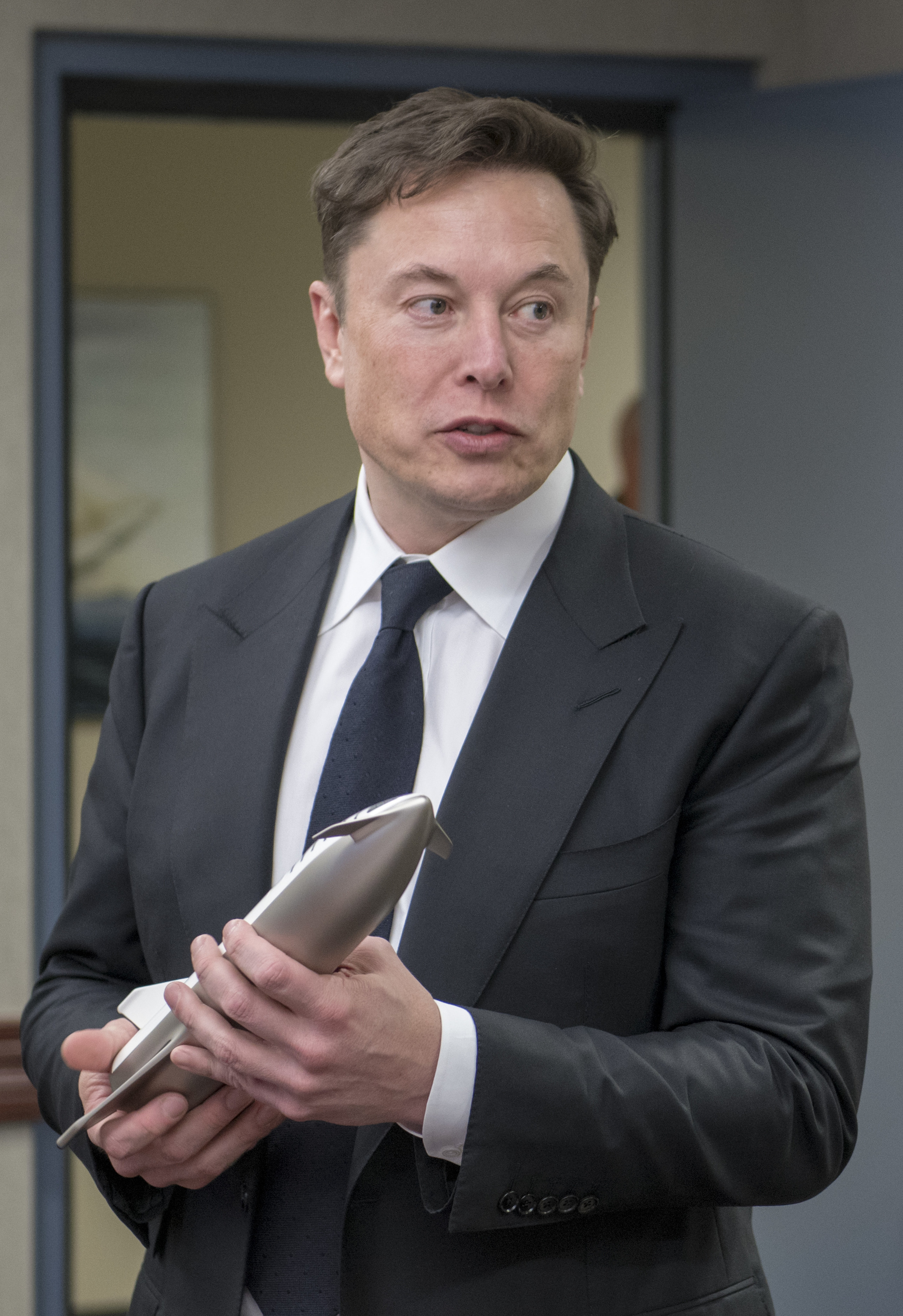
Elon Musk’s net worth fell below $700 billion on Monday after a sharp decline in SpaceX shares [1], [3].
This financial downturn marks a significant shift in the valuation of one of the world's most influential business figures. The collapse of SpaceX's market value reflects growing investor skepticism regarding the long-term viability of the company's operations.
Musk’s fortune plummeted from a peak of $1.45 trillion to less than $700 billion [1]. The decline follows a rout in SpaceX shares that has erased more than $1.2 trillion in market capitalization since the company's initial public offering in June [2], [4].
Responding to the loss of his status as the world's first trillionaire, Musk said, "I’m a former trillionaire" [5].
The volatility began as market concerns over the aerospace company's viability intensified. SpaceX shares, which are traded on U.S. exchanges, experienced a sustained slide that directly impacted Musk's personal wealth [1], [3].
While Musk remains one of the wealthiest individuals globally, the scale of the loss is nearly unprecedented for a single executive. The $1.2 trillion drop in market value [2] underscores the high-risk nature of the aerospace sector, and the volatility associated with the company's public listing.
“"I’m a former trillionaire."”
The rapid erosion of Musk's wealth highlights the fragility of valuations based on speculative future growth in the private space industry. By losing over half of his peak net worth in a short window, Musk's financial standing is now more susceptible to the performance of SpaceX, suggesting that the market is recalibrating the company's actual value against its initial IPO hype.

