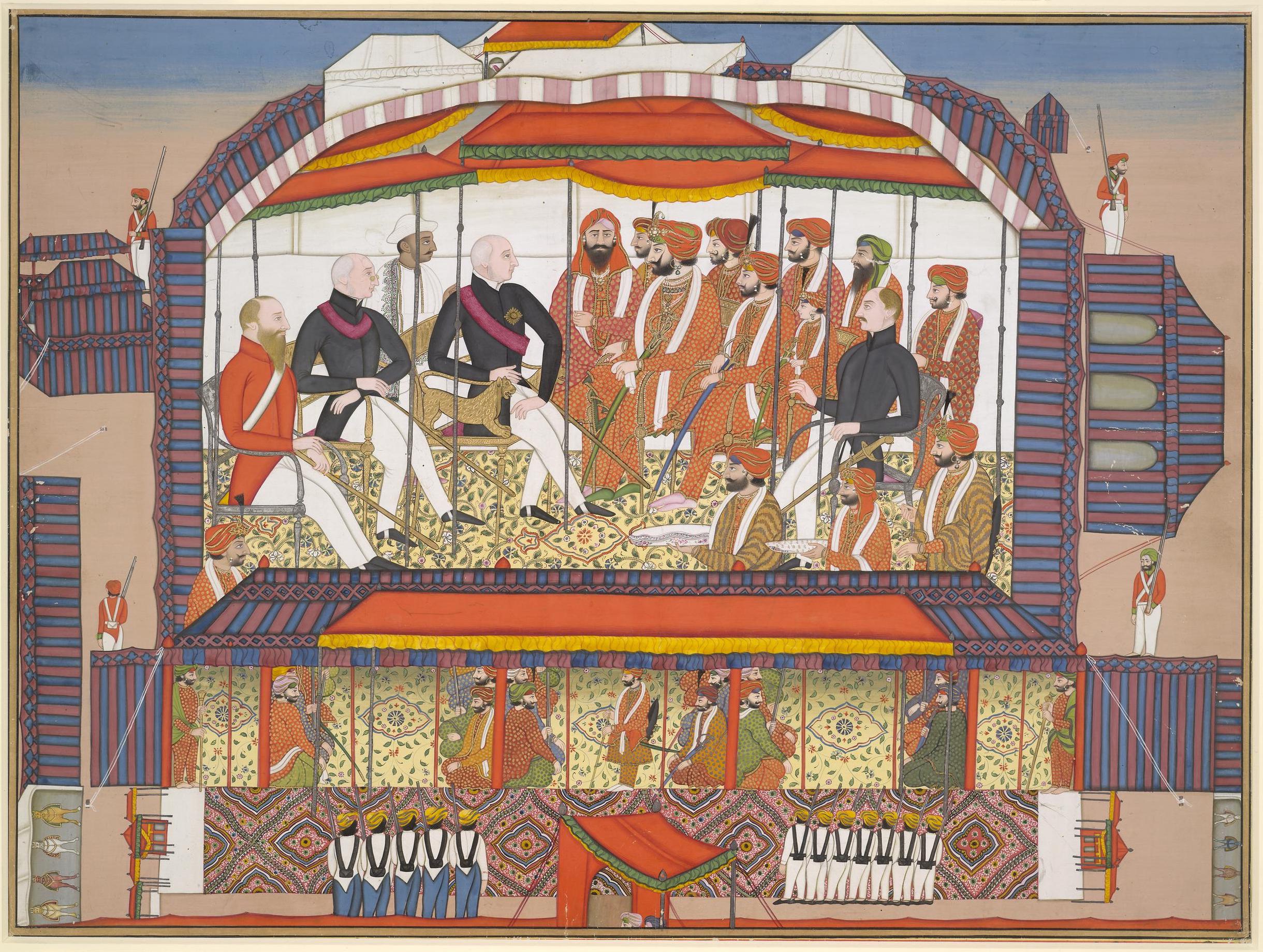
Emily Eden created detailed paintings of people and animals in North India during the 1830s [1].
These works provide a rare visual record of the region from a period before the widespread adoption of photography. Because cameras were not yet common, Eden's portraits serve as primary historical documents of the landscape and its inhabitants.
Eden focused her artistic efforts on documenting the diverse faces and wildlife of North India [1]. Her work captures the social and natural environment of the 19th century through a meticulous lens. By recording these subjects, she preserved a specific moment in time that would otherwise lack visual evidence.
BBC Tamil said, "She painted portraits of people and animals in North India during the 1830s" [1]. The collection highlights the intersection of art and anthropology in the pre-camera age.
Her approach allowed for a level of detail that contemporary observers relied upon to understand distant regions. These paintings offer insight into the attire, expressions, and animal species present in the area during that decade [1].
“Emily Eden captured portraits of people and animals across North India during the 1830s.”
Eden's work represents a critical bridge between the era of classical portraiture and the birth of photojournalism. In the absence of photographic evidence, her paintings are not merely art but essential ethnographic records that allow historians to visualize the demographics and biodiversity of North India in the 1830s.


