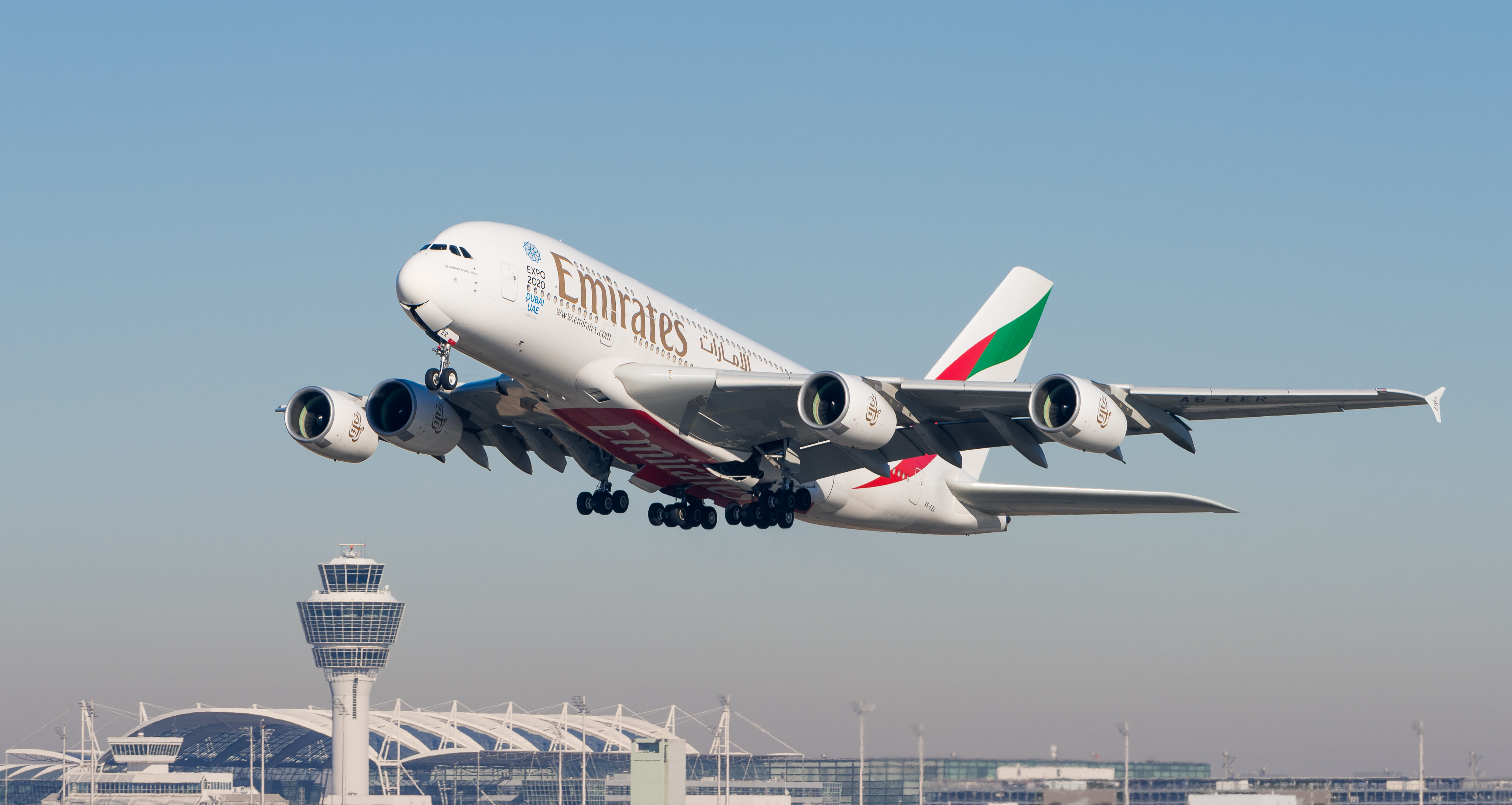
Emirates is investing $2 billion [1] to protect its market position against the rapid growth of Riyadh Air.
This spending surge highlights a shifting competitive landscape in the Middle East. As Riyadh Air scales its operations, it directly challenges the long-standing dominance Emirates has held over the premium travel sector.
The investment aims to defend the airline's status as a primary hub for luxury travel. The emergence of a new, well-funded competitor in Saudi Arabia has forced the Dubai-based carrier to accelerate its own modernization and expansion efforts to prevent a loss of market share.
Industry observers note that the rivalry is intensifying. A commercial aviation writer and student commercial pilot said, “Aviation in the Middle East is getting even hotter and has entered its most volatile chapter yet.”
While Emirates has historically operated with minimal regional competition in the ultra-premium space, the entry of Riyadh Air introduces a strategic threat. The $2 billion [1] allocation is intended to ensure the airline remains the preferred choice for high-net-worth travelers, and corporate clients moving through the region.
The competition centers on the ability to attract global traffic. By upgrading services and expanding its reach, Emirates seeks to maintain the connectivity and luxury standards that have defined its brand for decades.
“Emirates is investing $2 billion to protect its market position against the rapid growth of Riyadh Air.”
The financial escalation between Emirates and Riyadh Air signals a transition from a cooperative regional aviation environment to an aggressive competition for global transit hubs. This rivalry likely indicates that Saudi Arabia is leveraging its aviation sector to pivot the region's economic center of gravity away from Dubai, prompting Emirates to spend heavily to maintain its existing infrastructure and prestige.