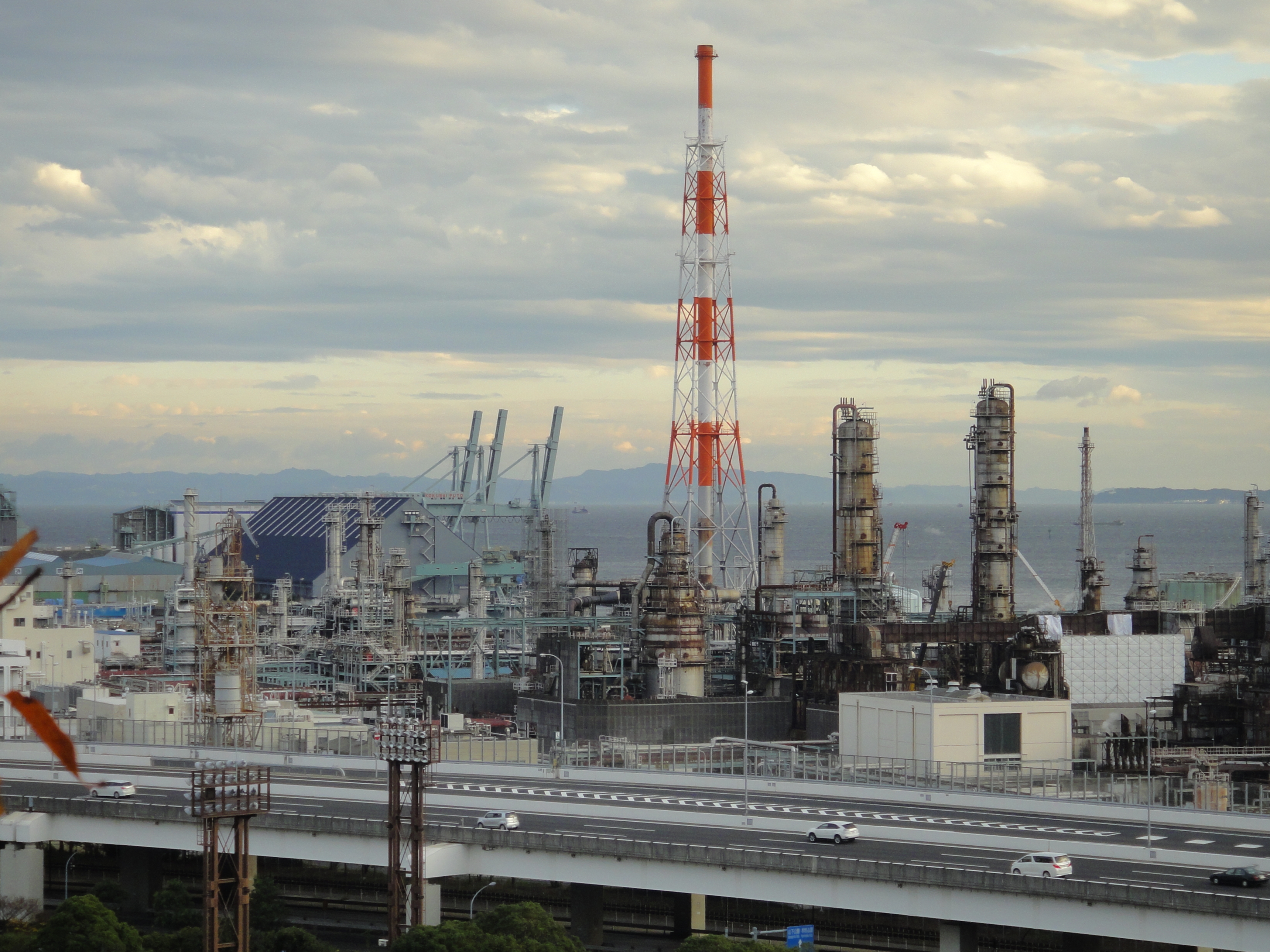
Eneos Holdings has secured sufficient alternative crude oil supplies through September [1] following disruptions to Middle Eastern production caused by the Iran war [2].
This stabilization is critical for Japan, which relies heavily on imported energy to power its industrial sector and maintain domestic fuel prices. The ability of the country's largest refiner to pivot its procurement strategy prevents immediate fuel shortages during a period of high geopolitical volatility.
According to reports from Yuka Obayashi and Kentaro Okasaka, Eneos Holdings has stabilized its oil procurement and secured sufficient alternative crude supplies through September after the Iran war disrupted Middle Eastern supply [1]. The company is now seeking further source diversification to reduce its vulnerability to future regional conflicts [1].
Tokyo-based Eneos is managing the fallout from the instability in the Middle East by identifying new partners and alternative shipping routes [2]. The shift comes as the company navigates the complexities of a global market where traditional supply chains have been severed by active warfare [2].
While the company has a buffer through September [1], the long-term strategy focuses on moving away from a heavy reliance on a single geographic region. This diversification effort is intended to shield the Japanese economy from the price shocks typically associated with Middle Eastern instability [1].
“Eneos Holdings has stabilized its oil procurement and secured sufficient alternative crude supplies through September”
The move by Eneos signals a strategic shift in Japan's energy security policy, moving from a reliance on established Middle Eastern pipelines to a more fragmented, diversified global sourcing model. By securing short-term supplies, Eneos avoids an immediate energy crisis, but the push for diversification reflects a broader realization that geopolitical instability in the Persian Gulf now poses a permanent risk to Japanese industrial stability.


