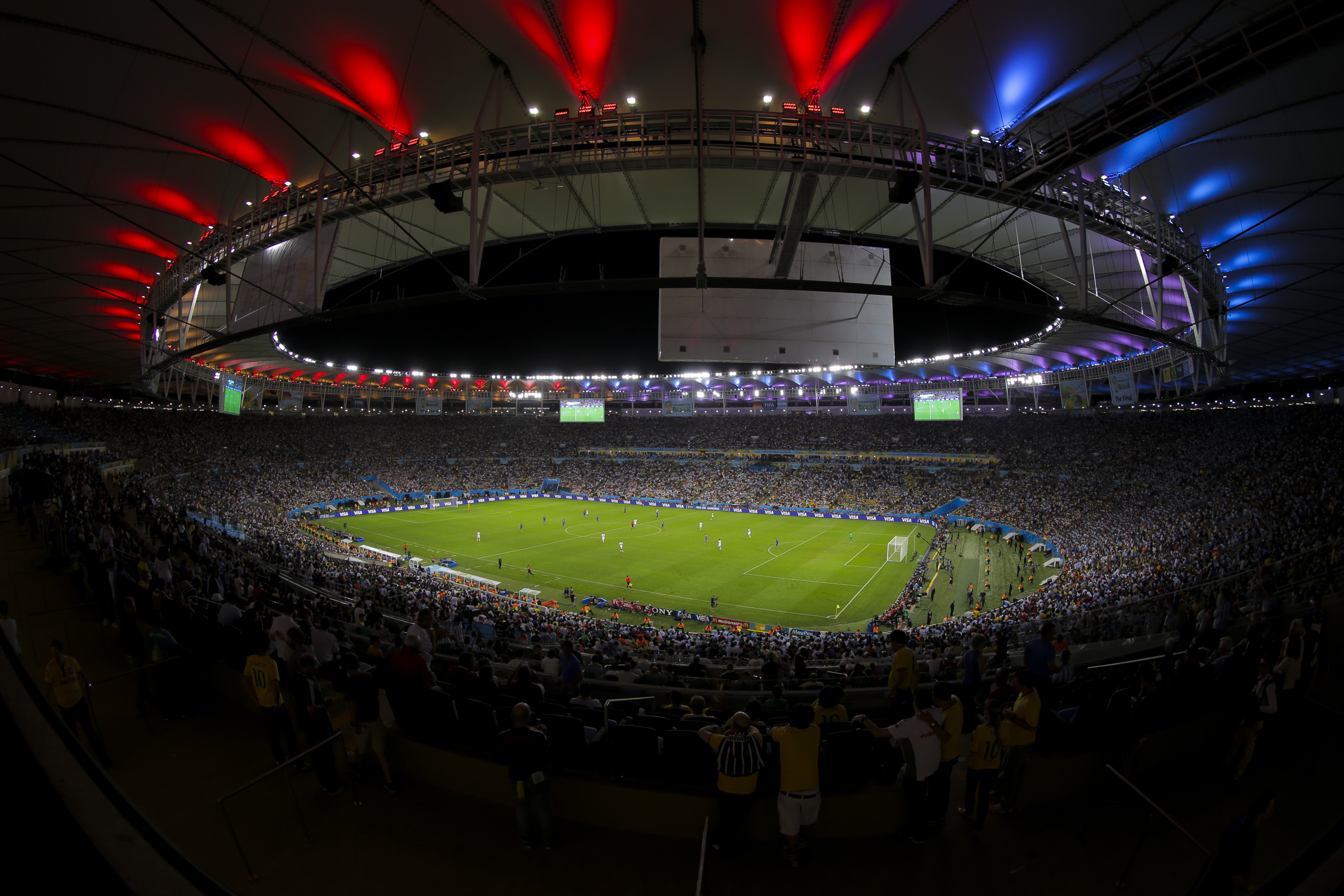
England lost the 2026 World Cup final to Argentina at MetLife Stadium in New Jersey [1].
The defeat marks a significant failure for the English national team in a high-stakes tournament final. The loss has sparked an immediate divide among analysts regarding the leadership and tactical execution of the squad during the match.
Public discourse has centered on the role of head coach Thomas Tuchel. Some analysts said the loss was not the fault of the manager [1]. These perspectives suggest that the outcome was determined by factors beyond the coach's direct control, such as player performance or unforeseen match events.
However, other figures in the sport have been more critical of the management. Wayne Rooney said that the decisions made by Tuchel cost England the game [2]. This critique focuses on the specific tactical choices and substitutions employed during the final in the U.S. [1].
The match took place this week in July 2026, concluding the tournament at the New Jersey venue [1]. While the result is final, the disagreement over accountability continues to shape the narrative surrounding Tuchel's tenure with the national team.
Supporters of the coaching staff point to the team's journey to the final as evidence of success. Conversely, critics like Rooney said that the inability to secure the trophy reflects a failure in leadership at the most critical moment of the competition [2].
“England lost the 2026 World Cup final to Argentina at MetLife Stadium”
The clash of opinions between former players and sports media highlights the intense pressure on World Cup managers. When a team reaches the final but fails to win, the scrutiny shifts from the team's overall progress to the specific tactical decisions of the coach, often creating a polarized narrative of failure versus misfortune.