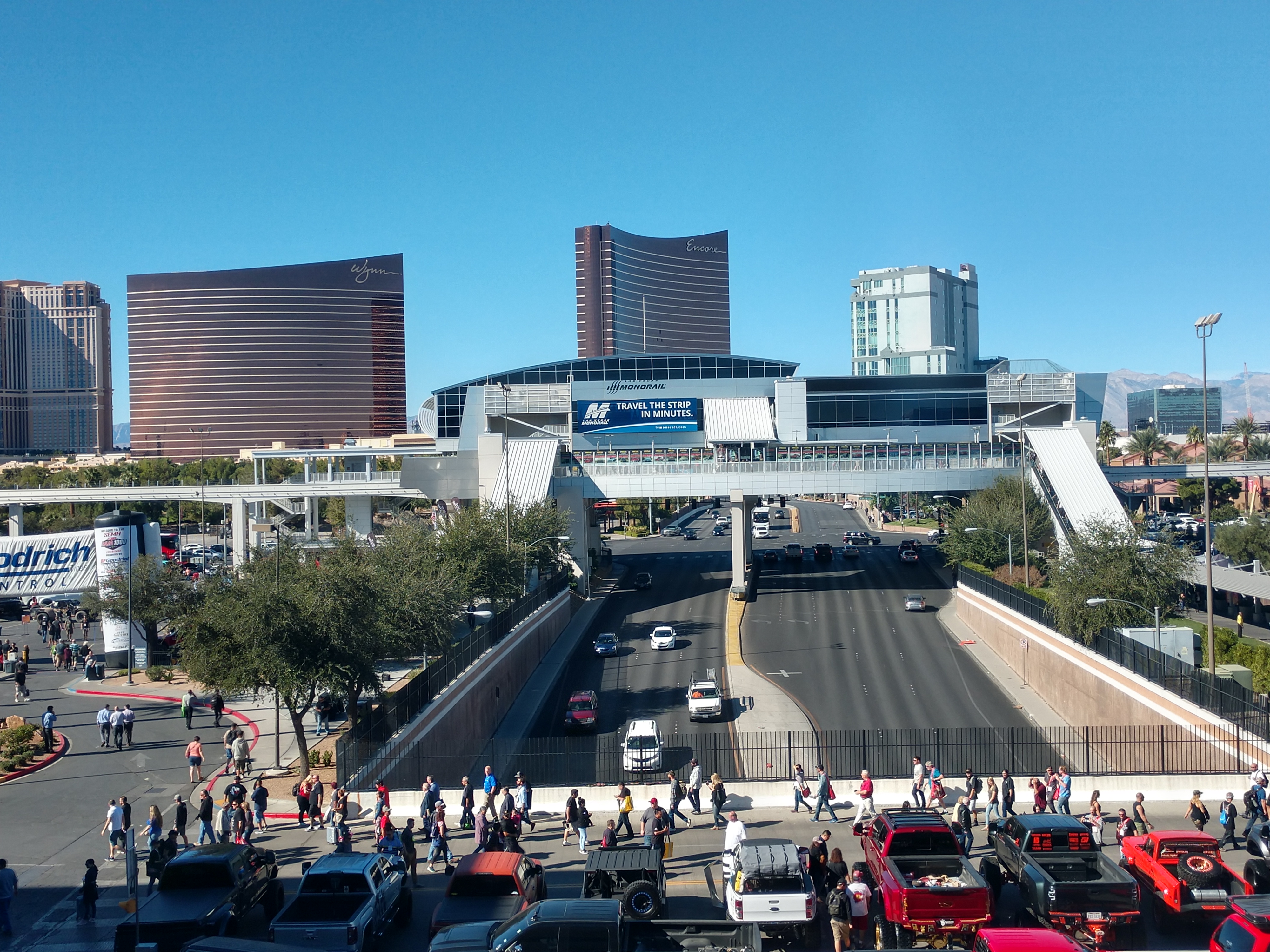
The first Enhanced Games competition took place in Las Vegas, Nevada, allowing athletes to use performance-enhancing drugs while competing [1], [2].
This event represents a fundamental challenge to the global anti-doping framework. By removing restrictions on banned substances, the organizers aim to test the absolute limits of human physical performance and redefine the boundaries of professional athletics.
Recruited from around the world, the athletes participated in the event during May 2024 [1]. The competition focused on chasing new world records, supported by a financial structure that offered prize money measured in millions of dollars [1].
Billionaire backers funded the initiative to contest traditional sports regulations. These organizers said that the current prohibition of performance-enhancing drugs is an outdated approach to sports science, a move that separates the event from the Olympic model.
Because this was the first time such a competition was held [1], the event served as a pilot for the viability of a "doped" sports league. The Las Vegas venue hosted a variety of disciplines where the primary goal was the maximization of human output through pharmacological assistance [1], [2].
The event occurred amidst significant scrutiny from the wider sporting community. While traditional bodies maintain that doping undermines the integrity of sport, the Enhanced Games backers said the event was a transparent alternative to the clandestine use of substances in regulated competitions [1].
“The first Enhanced Games competition took place in Las Vegas, Nevada.”
The emergence of the Enhanced Games creates a philosophical schism in global athletics. By institutionalizing the use of performance-enhancing drugs, the event moves the conversation from a matter of policing and ethics to one of medical supervision and human optimization, potentially pressuring traditional sporting bodies to re-evaluate their own restrictive substance lists.


