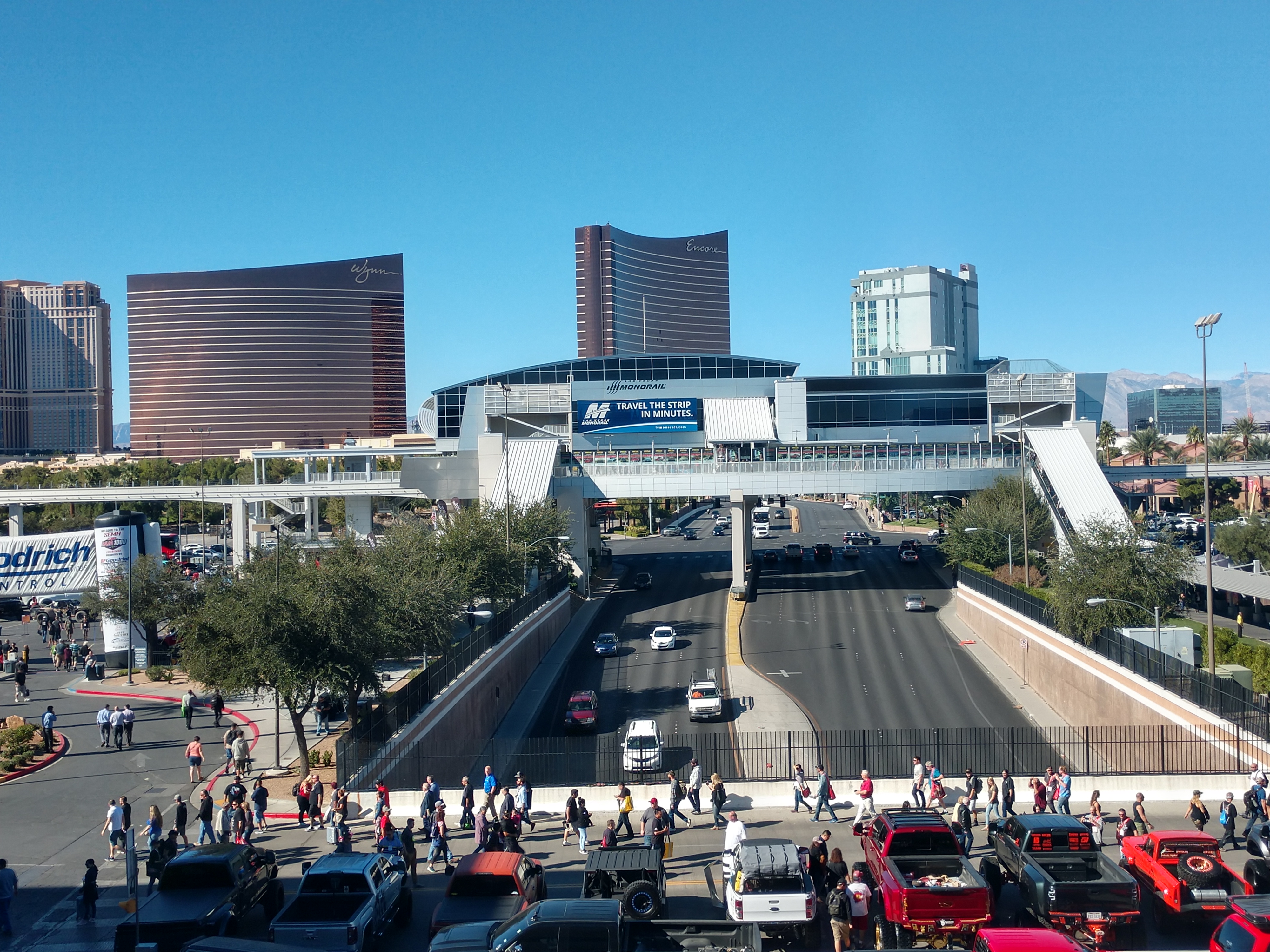
The Enhanced Games began Sunday, May 24, 2026, in Las Vegas, Nevada, marking the start of a sporting event that permits performance-enhancing drugs [1].
The event challenges the fundamental principles of global sports by removing the ban on doping. This shift aims to test the limits of human physiology and provide athletes with significant financial incentives, though it faces intense criticism from traditional sporting bodies.
Dozens of athletes, including former Olympians, have traveled to the U.S. city to participate in the competition [1]. The organizers designed the games to enable record-breaking performances by allowing the use of substances that are strictly forbidden in the Olympic Games [2].
Financial speculation surrounding the event has been substantial. Reports indicate the Enhanced Games reached a valuation of $1.2 billion before a single race took place [3]. This capital infusion reflects a growing interest in the intersection of biotechnology and professional athletics.
Critics argue that the event endangers athlete health and undermines the spirit of fair play. However, participants have defended the move as a way to secure life-changing financial rewards, and explore the true potential of the human body [2].
The competition in Las Vegas serves as a direct contrast to the anti-doping protocols maintained by the International Olympic Committee. While traditional sports emphasize a "clean" competition, the Enhanced Games treat pharmacological assistance as a tool for optimization [1].
“The Enhanced Games began Sunday, May 24, 2026, in Las Vegas, Nevada.”
The emergence of the Enhanced Games represents a pivot toward 'transhumanist' athletics, where the goal is maximum performance rather than natural ability. By decoupling sports from traditional health and fairness standards, the event creates a new commercial category of athletics that prioritizes biological optimization and high-stakes financial gain over the historical ideal of the amateur or clean athlete.


'%2F%3E%0A%20%20%20%20%3Crect%20width%3D'1600'%20height%3D'900'%20fill%3D'url(%23v)'%2F%3E%0A%20%20%20%20%3Cg%20opacity%3D'0.08'%20fill%3D'%23ffffff'%3E%0A%20%20%20%20%20%20%3Ccircle%20cx%3D'1420'%20cy%3D'180'%20r%3D'220'%2F%3E%0A%20%20%20%20%20%20%3Ccircle%20cx%3D'1500'%20cy%3D'760'%20r%3D'120'%2F%3E%0A%20%20%20%20%3C%2Fg%3E%0A%20%20%20%20%3Cline%20x1%3D'80'%20y1%3D'172'%20x2%3D'220'%20y2%3D'172'%20stroke%3D'%23ffffff'%20stroke-width%3D'3'%20stroke-opacity%3D'0.6'%2F%3E%0A%20%20%20%20%3Ctext%20x%3D'80'%20y%3D'140'%20font-family%3D'Inter%2C%20-apple-system%2C%20Helvetica%2C%20sans-serif'%20font-weight%3D'700'%20font-size%3D'28'%20fill%3D'%23ffffff'%20letter-spacing%3D'6'%3EHANNA%20%C2%B7%20NEWS%3C%2Ftext%3E%0A%20%20%20%20%3Ctext%20x%3D'80'%20y%3D'230'%20font-family%3D'Inter%2C%20-apple-system%2C%20Helvetica%2C%20sans-serif'%20font-weight%3D'600'%20font-size%3D'40'%20fill%3D'%23ffffffb3'%20letter-spacing%3D'4'%3EWORLD%3C%2Ftext%3E%0A%20%20%20%20%3Ctext%20x%3D'80'%20y%3D'622'%20font-family%3D'Playfair%20Display%2C%20Georgia%2C%20serif'%20font-weight%3D'800'%20font-size%3D'86'%20fill%3D'%23ffffff'%20letter-spacing%3D'-1'%3EBonnie%20Tyler%2C%20%26apos%3BTotal%3C%2Ftext%3E%3Ctext%20x%3D'80'%20y%3D'721'%20font-family%3D'Playfair%20Display%2C%20Georgia%2C%20serif'%20font-weight%3D'800'%20font-size%3D'86'%20fill%3D'%23ffffff'%20letter-spacing%3D'-1'%3EEclipse%20of%20the%20Heart%26apos%3B%3C%2Ftext%3E%3Ctext%20x%3D'80'%20y%3D'820'%20font-family%3D'Playfair%20Display%2C%20Georgia%2C%20serif'%20font-weight%3D'800'%20font-size%3D'86'%20fill%3D'%23ffffff'%20letter-spacing%3D'-1'%3Esinger%2C%20dies%20at%2075%3C%2Ftext%3E%0A%20%20%20%20%3Ctext%20x%3D'80'%20y%3D'870'%20font-family%3D'Inter%2C%20-apple-system%2C%20Helvetica%2C%20sans-serif'%20font-weight%3D'500'%20font-size%3D'22'%20fill%3D'%23ffffff66'%20letter-spacing%3D'2'%3Enews.hanna-ai.com%3C%2Ftext%3E%0A%20%20%3C%2Fsvg%3E)