Swimmers participating in the upcoming Enhanced Games in Las Vegas said the lure of million-dollar bonuses outweighs concerns about doping and risk [1].
The admission highlights a growing tension between traditional sporting ethics and the financial incentives of a competition that permits performance-enhancing substances. By decoupling athletic achievement from drug-free mandates, the event challenges the fundamental regulatory framework of global sports.
Participants said that the potential for million-dollar bonuses [1] is more compelling than the risks associated with doping. These athletes said that the financial rewards justify the potential impact on their reputations, and the physical risks involved in using banned substances [1].
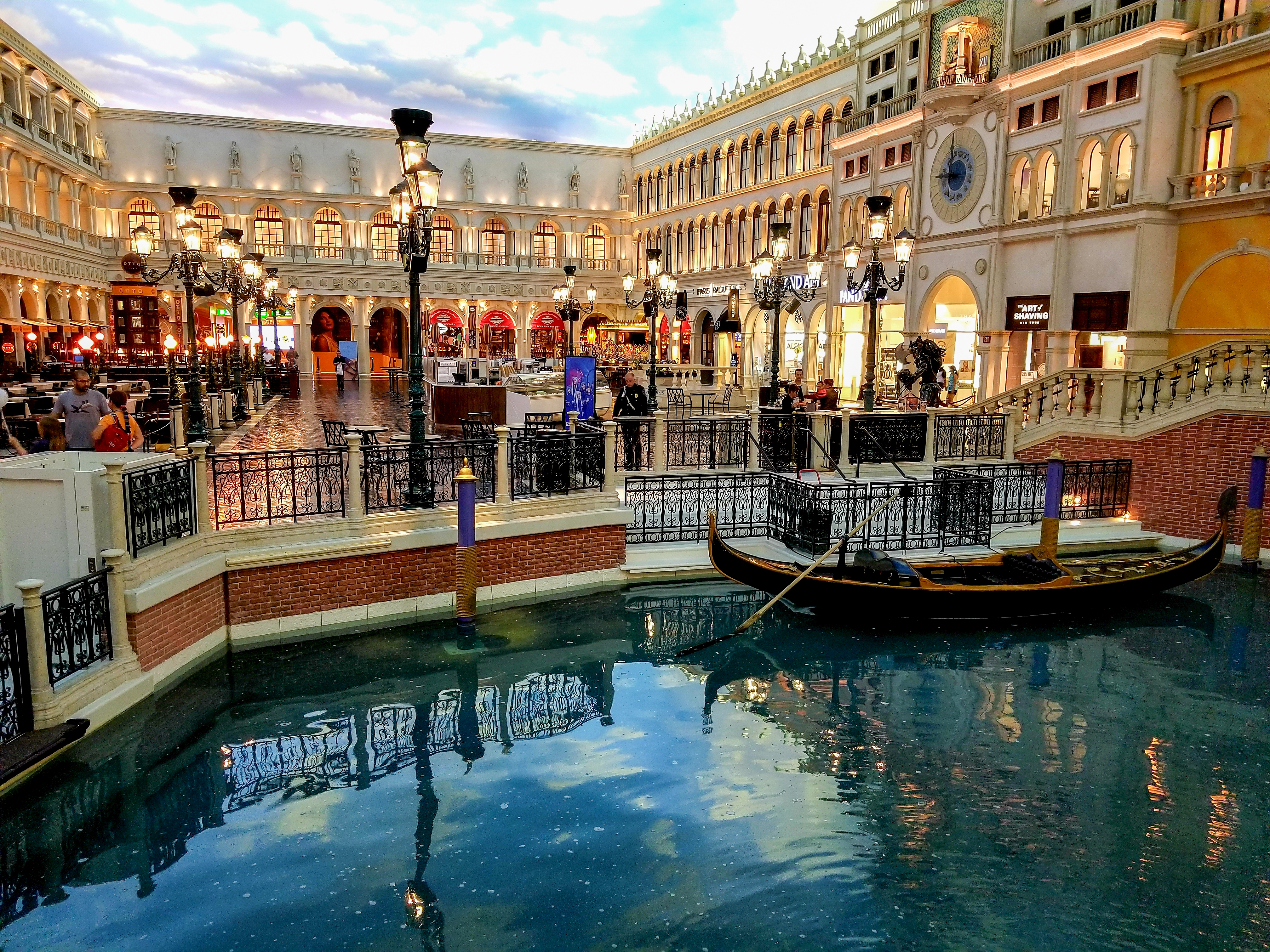
The event is scheduled to take place in Las Vegas, Nevada [1]. While traditional competitions focus on natural human limits, the Enhanced Games operate on a model where the pursuit of peak performance is not restricted by current anti-doping laws.
The decision to prioritize money over medical and ethical concerns suggests a shift in how some professional athletes view their careers. For these swimmers, the immediate financial gain of the Las Vegas event provides a level of security that traditional sponsorships and prize pools may not offer [1].
Critics of the movement argue that such an approach endangers athlete health and undermines the integrity of the sport. However, the swimmers involved said the cash incentive remains the primary driver for their participation [1].
“the lure of million-dollar bonuses outweighs concerns about doping and risk”
The willingness of athletes to bypass anti-doping standards for high payouts signals a potential fragmentation in professional sports. If the Enhanced Games successfully attract top talent through aggressive financial incentives, it may force traditional governing bodies to reconsider their compensation models or face a loss of prestige as the 'purest' form of competition.


'%2F%3E%0A%20%20%20%20%3Crect%20width%3D'1600'%20height%3D'900'%20fill%3D'url(%23v)'%2F%3E%0A%20%20%20%20%3Cg%20opacity%3D'0.08'%20fill%3D'%23ffffff'%3E%0A%20%20%20%20%20%20%3Ccircle%20cx%3D'1420'%20cy%3D'180'%20r%3D'220'%2F%3E%0A%20%20%20%20%20%20%3Ccircle%20cx%3D'1500'%20cy%3D'760'%20r%3D'120'%2F%3E%0A%20%20%20%20%3C%2Fg%3E%0A%20%20%20%20%3Cline%20x1%3D'80'%20y1%3D'172'%20x2%3D'220'%20y2%3D'172'%20stroke%3D'%23ffffff'%20stroke-width%3D'3'%20stroke-opacity%3D'0.6'%2F%3E%0A%20%20%20%20%3Ctext%20x%3D'80'%20y%3D'140'%20font-family%3D'Inter%2C%20-apple-system%2C%20Helvetica%2C%20sans-serif'%20font-weight%3D'700'%20font-size%3D'28'%20fill%3D'%23ffffff'%20letter-spacing%3D'6'%3EHANNA%20%C2%B7%20NEWS%3C%2Ftext%3E%0A%20%20%20%20%3Ctext%20x%3D'80'%20y%3D'230'%20font-family%3D'Inter%2C%20-apple-system%2C%20Helvetica%2C%20sans-serif'%20font-weight%3D'600'%20font-size%3D'40'%20fill%3D'%23ffffffb3'%20letter-spacing%3D'4'%3EWORLD%3C%2Ftext%3E%0A%20%20%20%20%3Ctext%20x%3D'80'%20y%3D'622'%20font-family%3D'Playfair%20Display%2C%20Georgia%2C%20serif'%20font-weight%3D'800'%20font-size%3D'86'%20fill%3D'%23ffffff'%20letter-spacing%3D'-1'%3EBonnie%20Tyler%2C%20%26apos%3BTotal%3C%2Ftext%3E%3Ctext%20x%3D'80'%20y%3D'721'%20font-family%3D'Playfair%20Display%2C%20Georgia%2C%20serif'%20font-weight%3D'800'%20font-size%3D'86'%20fill%3D'%23ffffff'%20letter-spacing%3D'-1'%3EEclipse%20of%20the%20Heart%26apos%3B%3C%2Ftext%3E%3Ctext%20x%3D'80'%20y%3D'820'%20font-family%3D'Playfair%20Display%2C%20Georgia%2C%20serif'%20font-weight%3D'800'%20font-size%3D'86'%20fill%3D'%23ffffff'%20letter-spacing%3D'-1'%3Esinger%2C%20dies%20at%2075%3C%2Ftext%3E%0A%20%20%20%20%3Ctext%20x%3D'80'%20y%3D'870'%20font-family%3D'Inter%2C%20-apple-system%2C%20Helvetica%2C%20sans-serif'%20font-weight%3D'500'%20font-size%3D'22'%20fill%3D'%23ffffff66'%20letter-spacing%3D'2'%3Enews.hanna-ai.com%3C%2Ftext%3E%0A%20%20%3C%2Fsvg%3E)