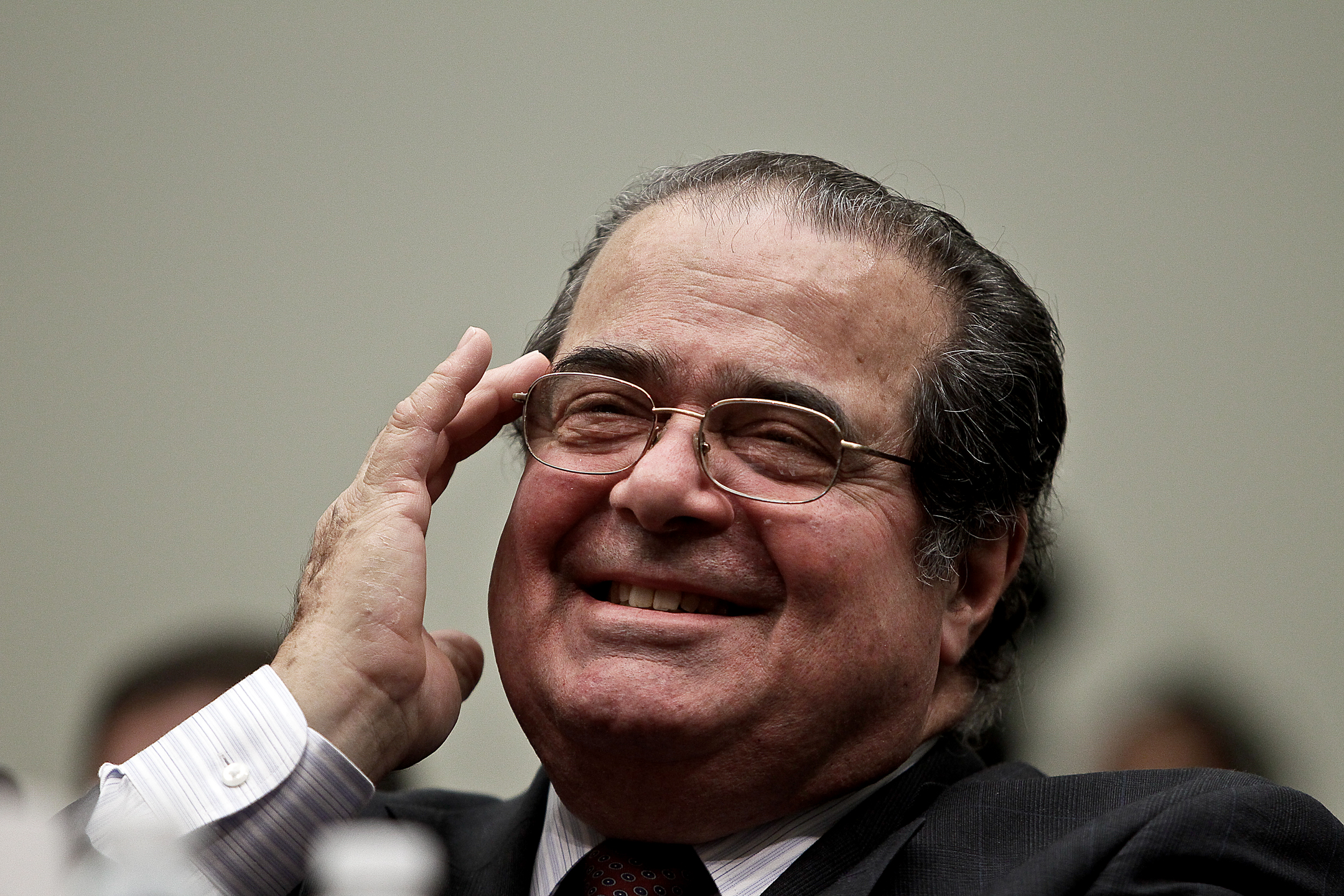
EPA Administrator Lee Zeldin rebuked Sen. Sheldon Whitehouse (D-RI) during a Senate hearing on energy policy on Wednesday, April 29, 2026 [1].
The exchange highlights the deepening partisan divide over the administration's environmental agenda and the fiscal future of the agency. As the U.S. government debates the balance between industrial energy costs and conservation, the rhetoric between executive officials and lawmakers has shifted toward personal grievances.
The confrontation occurred in Washington, D.C., during a hearing focused on energy policy [1]. The tension escalated as the two men disputed the consumer costs associated with coal plants and a proposed 52% cut to EPA funding for 2027 [1].
During the exchange, Zeldin targeted Whitehouse's personal associations. "I'm not going to take morality lessons from people who join all‑White country clubs," Zeldin said [2].
The dispute over the budget reflects a broader effort by the administration to reduce the agency's footprint. The proposed 52% reduction [1] would significantly alter the EPA's ability to enforce regulations, and monitor environmental standards across the U.S.
Whitehouse and Zeldin remained at odds throughout the proceedings, with the debate shifting from the technicalities of energy pricing to accusations of hypocrisy. The hearing served as a flashpoint for the ongoing struggle between Democratic legislators and the current EPA leadership over the role of fossil fuels in the American economy [1].
“"I'm not going to take morality lessons from people who join all‑White country clubs."”
The clash between Zeldin and Whitehouse signals a shift toward more aggressive, personal rhetoric in congressional oversight hearings. By pivoting from policy arguments regarding the 52% budget cut to the personal associations of his critics, Zeldin is employing a confrontational strategy that mirrors the broader political climate of the current administration. This tension suggests that future budget negotiations for the EPA will be characterized by high volatility and personal animosity rather than bipartisan compromise.