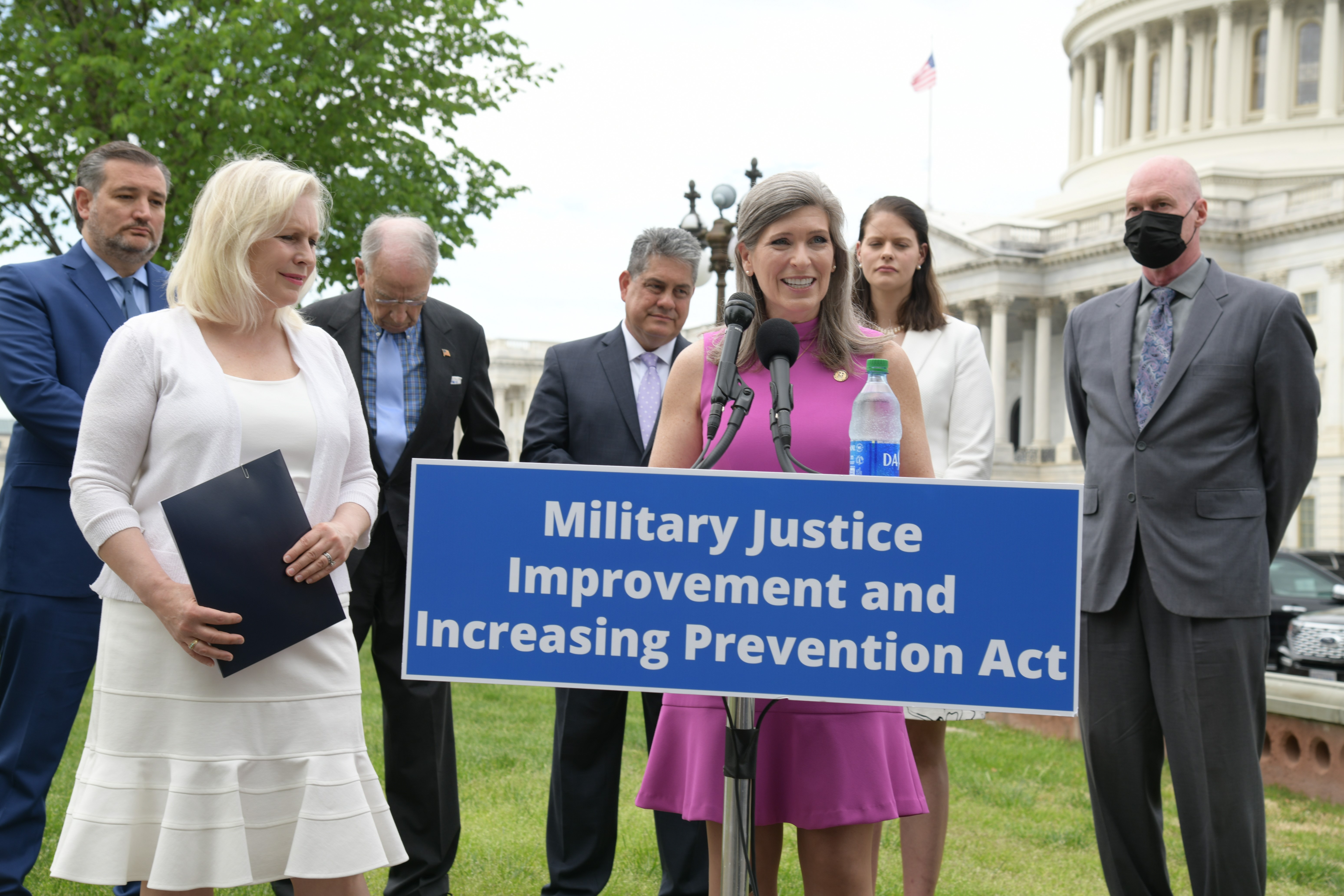
Sen. Joni Ernst (R-Iowa) said Thursday she is skeptical of a tentative agreement between the U.S. and Iran intended to replace the original nuclear deal [1, 2].
The senator's opposition signals potential legislative hurdles for the administration as it attempts to stabilize diplomatic relations with Tehran. Because the original Joint Comprehensive Plan of Action (JCPOA) remained a deeply divisive issue within the GOP, any new framework faces rigorous scrutiny from lawmakers who view previous agreements as flawed.
Speaking in an interview with NewsNation’s Joe Khalil, Ernst focused on the legacy of the previous nuclear accord [1, 2]. She said the failures of the first deal must be addressed before the U.S. commits to a new arrangement.
"They’re going to have to come explain this because we did have very serious problems with the JCPOA," Ernst said. "I don’t want to see JCPOA 2.0" [1].
Ernst did not specify the exact terms of the tentative agreement but said the administration must provide a clear justification for the new terms [1, 2]. Her comments reflect a broader Republican concern that a new deal might offer Iran too many concessions without securing permanent restrictions on its nuclear capabilities.
The senator's demand for an explanation suggests that the executive branch may face formal questioning or legislative challenges if the deal is presented for review [1, 2]. This tension highlights the ongoing struggle between the desire for diplomatic containment and the preference for maximum pressure policies.
“I don’t want to see JCPOA 2.0.”
The skepticism from key GOP figures like Sen. Ernst indicates that any new U.S.-Iran nuclear agreement will likely face a polarized reception in Congress. By framing the tentative deal as a potential 'JCPOA 2.0,' opponents are linking the current negotiations to the perceived failures of the 2015 accord, which may limit the administration's ability to secure bipartisan support or long-term legislative stability for the agreement.


