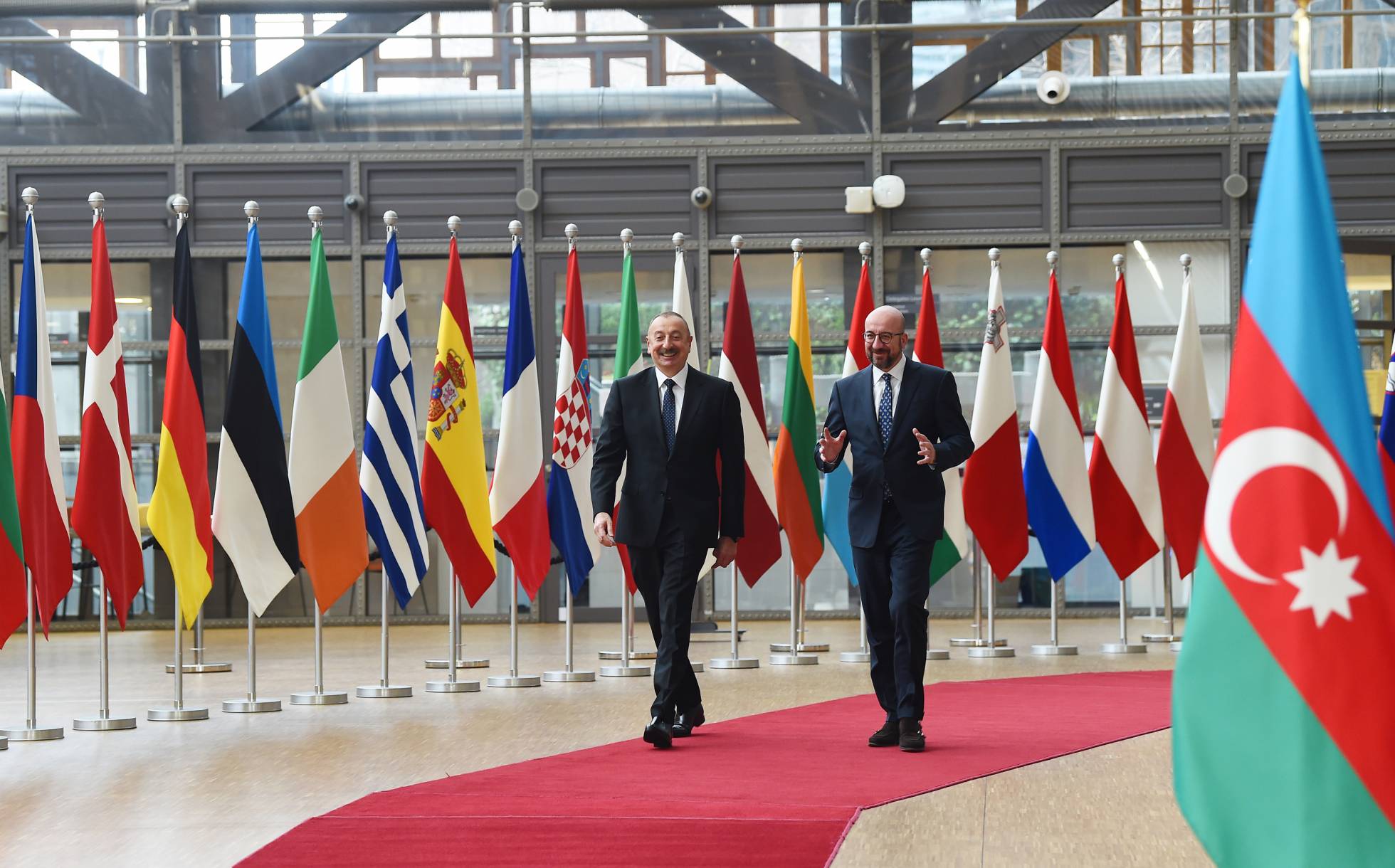
European Union leaders remain divided over whether to establish a concrete timetable for the accession of Western Balkan countries.
This deadlock persists as the EU attempts to balance the need for internal stability and reform against the geopolitical risk of increasing Russian and Chinese influence in the region.
During an EU-Balkans summit held from June 10 to 12, 2026 [1], in Sarajevo, Bosnia-Herzegovina, officials discussed the viability of expansion. European Council President António Costa said, "The opportunity for enlargement is real and we are here to show that to the Western Balkan partners" [2].
Some top leaders are advocating for a more aggressive approach to integration. German Chancellor Friedrich Merz and French President Emmanuel Macron have pushed for a faster enlargement process. Merz said, "We need to speed up the accession process; the Balkans cannot wait any longer" [3].
However, this push for speed contradicts reports of deep divisions within the bloc. EU ministers were reported to be split over the enlargement strategy on Thursday, June 13, 2026 [4]. These internal frictions are compounded by a general fatigue among member states following recent expansions, and a history of diplomatic hurdles, such as Hungary's two-year veto on Ukraine's accession [5].
Balkan officials and academics suggest that the lack of a clear timeline discourages necessary domestic changes. Faris Kocan, an associate professor, said, "Countries are not seeing a momentum by the EU to make the necessary reforms" [6].
While leaders like Costa maintain that the window for enlargement is open, the discrepancy between official rhetoric and the lack of a formal schedule suggests a stalled process. The EU continues to demand significant reforms from candidate countries before granting full membership, but the absence of a guaranteed timeline leaves those nations in a state of political limbo.
“"The opportunity for enlargement is real and we are here to show that to the Western Balkan partners."”
The tension between the EU's geopolitical desire to secure the Balkans and its internal reluctance to admit new members without strict reforms creates a strategic vacuum. Without a concrete timetable, candidate nations may find the incentives for democratic reform less compelling than the immediate influence offered by non-Western powers.


