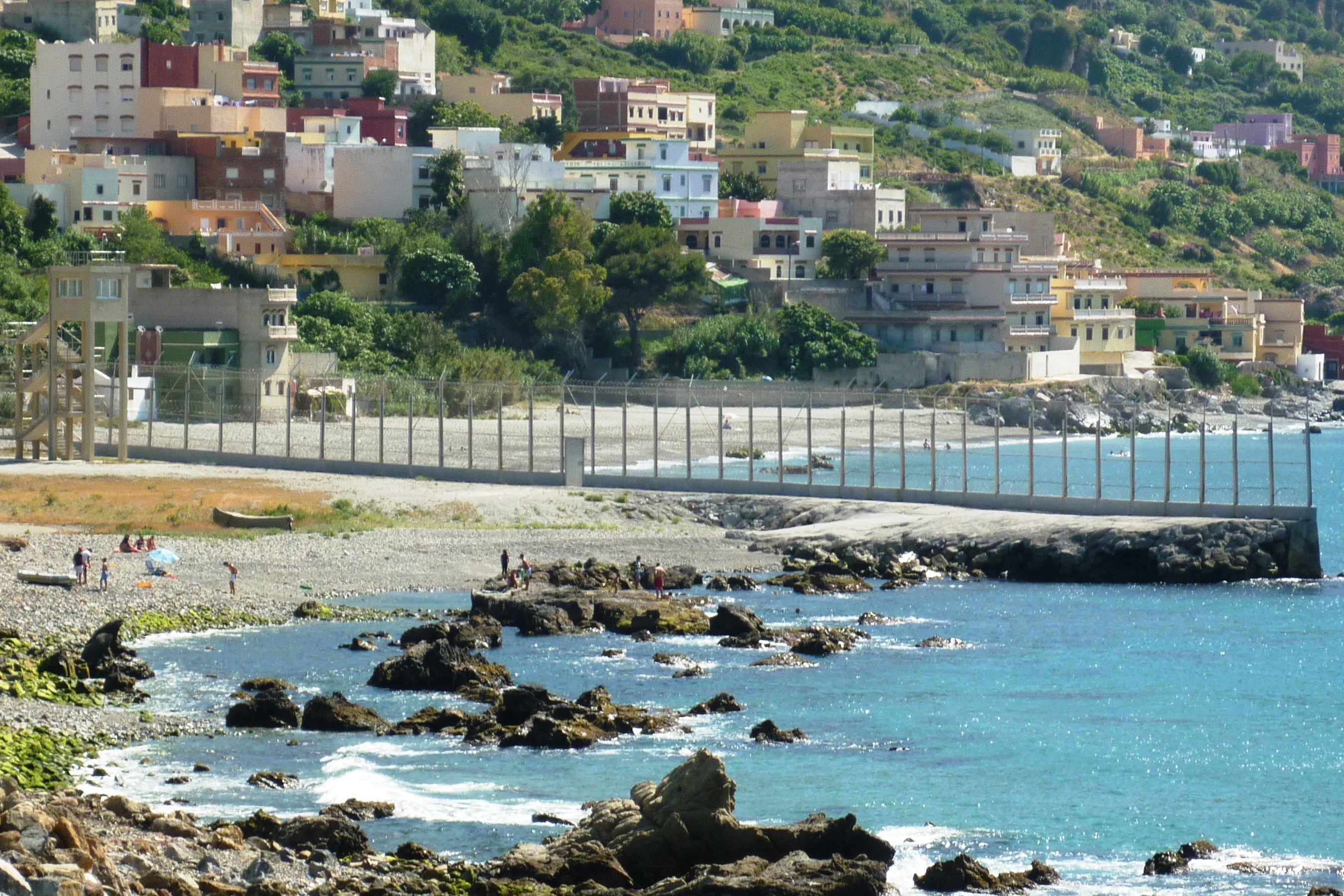
Twenty-two EU member states have called for an urgent video meeting of interior ministers to address a migration surge into Ceuta [1].
The crisis represents one of the largest recent migration surges for the European Union, testing the bloc's ability to coordinate border security and humanitarian responses. Because Ceuta is a Spanish enclave on the North African coast, the situation places immediate pressure on Spanish infrastructure and EU migration policy [2].
An estimated 60,000 migrants crossed into the enclave during July 2026 [3]. This influx has prompted 22 of the 27 total EU member states to request the emergency summit [1]. The scale of the movement has created a logistical emergency for Spanish authorities attempting to manage the border, and provide basic services to the arrivals [2].
Spanish Prime Minister Pedro Sánchez has criticized the lack of solidarity from some of his European counterparts. Sánchez said, "The response of some EU members has been selfish and unlawful" [4].
The request for the video meeting focuses on coordinating a unified response among interior ministers to contain the crisis [1]. While some reports describe the influx as thousands of people, other data indicates the number reached 60,000 [3, 5].
Spain continues to lead the operational response on the ground in Ceuta. The government is seeking a more equitable distribution of responsibility, and resources across the EU to manage the sudden population increase in the enclave [4].
“The response of some EU members has been selfish and unlawful.”
This crisis highlights the recurring tension between EU frontier states and interior member nations regarding the 'Dublin Regulation' and the shared responsibility of migrant processing. The demand for an emergency meeting by 22 of 27 members suggests a high level of alarm within the bloc, while the friction between Spain and other members indicates that the EU still struggles to implement a cohesive, legally binding migration framework during sudden surges.


'%2F%3E%0A%20%20%20%20%3Crect%20width%3D'1600'%20height%3D'900'%20fill%3D'url(%23v)'%2F%3E%0A%20%20%20%20%3Cg%20opacity%3D'0.08'%20fill%3D'%23ffffff'%3E%0A%20%20%20%20%20%20%3Ccircle%20cx%3D'1420'%20cy%3D'180'%20r%3D'220'%2F%3E%0A%20%20%20%20%20%20%3Ccircle%20cx%3D'1500'%20cy%3D'760'%20r%3D'120'%2F%3E%0A%20%20%20%20%3C%2Fg%3E%0A%20%20%20%20%3Cline%20x1%3D'80'%20y1%3D'172'%20x2%3D'220'%20y2%3D'172'%20stroke%3D'%23ffffff'%20stroke-width%3D'3'%20stroke-opacity%3D'0.6'%2F%3E%0A%20%20%20%20%3Ctext%20x%3D'80'%20y%3D'140'%20font-family%3D'Inter%2C%20-apple-system%2C%20Helvetica%2C%20sans-serif'%20font-weight%3D'700'%20font-size%3D'28'%20fill%3D'%23ffffff'%20letter-spacing%3D'6'%3EHANNA%20%C2%B7%20NEWS%3C%2Ftext%3E%0A%20%20%20%20%3Ctext%20x%3D'80'%20y%3D'230'%20font-family%3D'Inter%2C%20-apple-system%2C%20Helvetica%2C%20sans-serif'%20font-weight%3D'600'%20font-size%3D'40'%20fill%3D'%23ffffffb3'%20letter-spacing%3D'4'%3EWORLD%3C%2Ftext%3E%0A%20%20%20%20%3Ctext%20x%3D'80'%20y%3D'622'%20font-family%3D'Playfair%20Display%2C%20Georgia%2C%20serif'%20font-weight%3D'800'%20font-size%3D'86'%20fill%3D'%23ffffff'%20letter-spacing%3D'-1'%3EFeij%C3%B3o%20Accuses%20Spanish%3C%2Ftext%3E%3Ctext%20x%3D'80'%20y%3D'721'%20font-family%3D'Playfair%20Display%2C%20Georgia%2C%20serif'%20font-weight%3D'800'%20font-size%3D'86'%20fill%3D'%23ffffff'%20letter-spacing%3D'-1'%3EGovernment%20of%20Ignoring%20Ceuta%3C%2Ftext%3E%3Ctext%20x%3D'80'%20y%3D'820'%20font-family%3D'Playfair%20Display%2C%20Georgia%2C%20serif'%20font-weight%3D'800'%20font-size%3D'86'%20fill%3D'%23ffffff'%20letter-spacing%3D'-1'%3EMigration%20Warnings%3C%2Ftext%3E%0A%20%20%20%20%3Ctext%20x%3D'80'%20y%3D'870'%20font-family%3D'Inter%2C%20-apple-system%2C%20Helvetica%2C%20sans-serif'%20font-weight%3D'500'%20font-size%3D'22'%20fill%3D'%23ffffff66'%20letter-spacing%3D'2'%3Enews.hanna-ai.com%3C%2Ftext%3E%0A%20%20%3C%2Fsvg%3E)