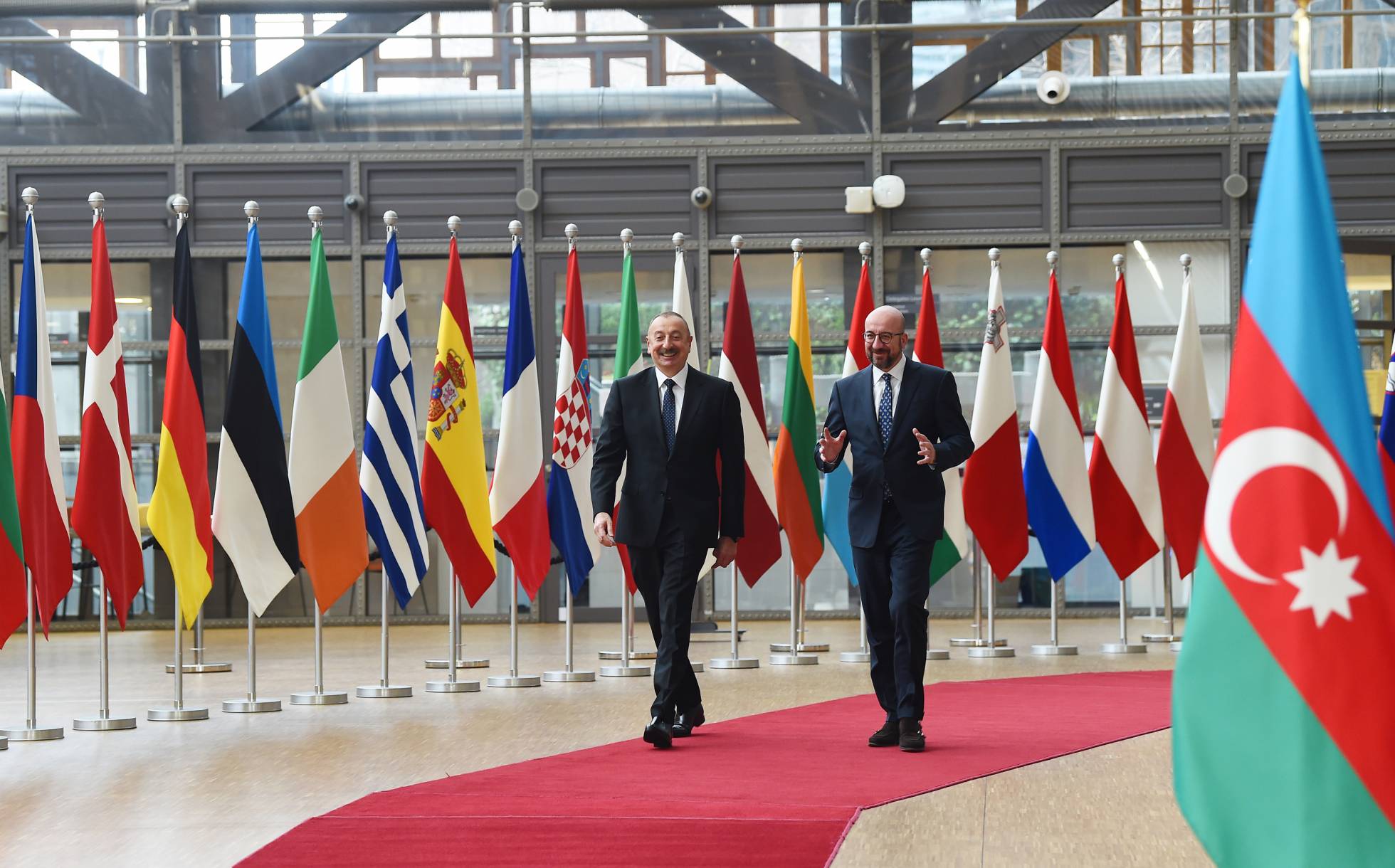
European Commission officials and Chinese trade representatives met in Brussels on June 18, 2026, to discuss the EU-China trade relationship [1, 2].
The meeting serves as a critical attempt to prevent a broader trade war as the European Union seeks to reduce a growing trade deficit with China [1, 2].
EU leaders have recently debated the implementation of new measures to curb the bloc's trade imbalance [2]. The European Union is pressing for a resolution to these economic differences through diplomatic dialogue to avoid an escalating conflict.
EU Trade Commissioner Valdis Dombrovskis addressed the necessity of these talks. "We need to address the trade imbalance with China in a constructive way, otherwise the risk of a wider trade conflict grows," Dombrovskis said [2].
Representatives from China expressed a similar preference for diplomacy over economic aggression. A spokesperson for the Chinese Ministry of Commerce said, "Differences should be resolved through dialogue, not confrontation" [1].
While the officials met to seek a peaceful resolution, external perspectives on the stability of the relationship vary. Some reports suggest that a trade war between the EU and China may be inevitable despite these diplomatic efforts [1].
“Differences should be resolved through dialogue, not confrontation.”
The meeting underscores the tension between the EU's desire for economic sovereignty and its reliance on Chinese markets. By attempting to resolve the trade deficit through dialogue, the EU is testing whether diplomatic pressure can alter China's trade practices before resorting to the tougher protectionist measures currently being weighed by bloc leaders.


