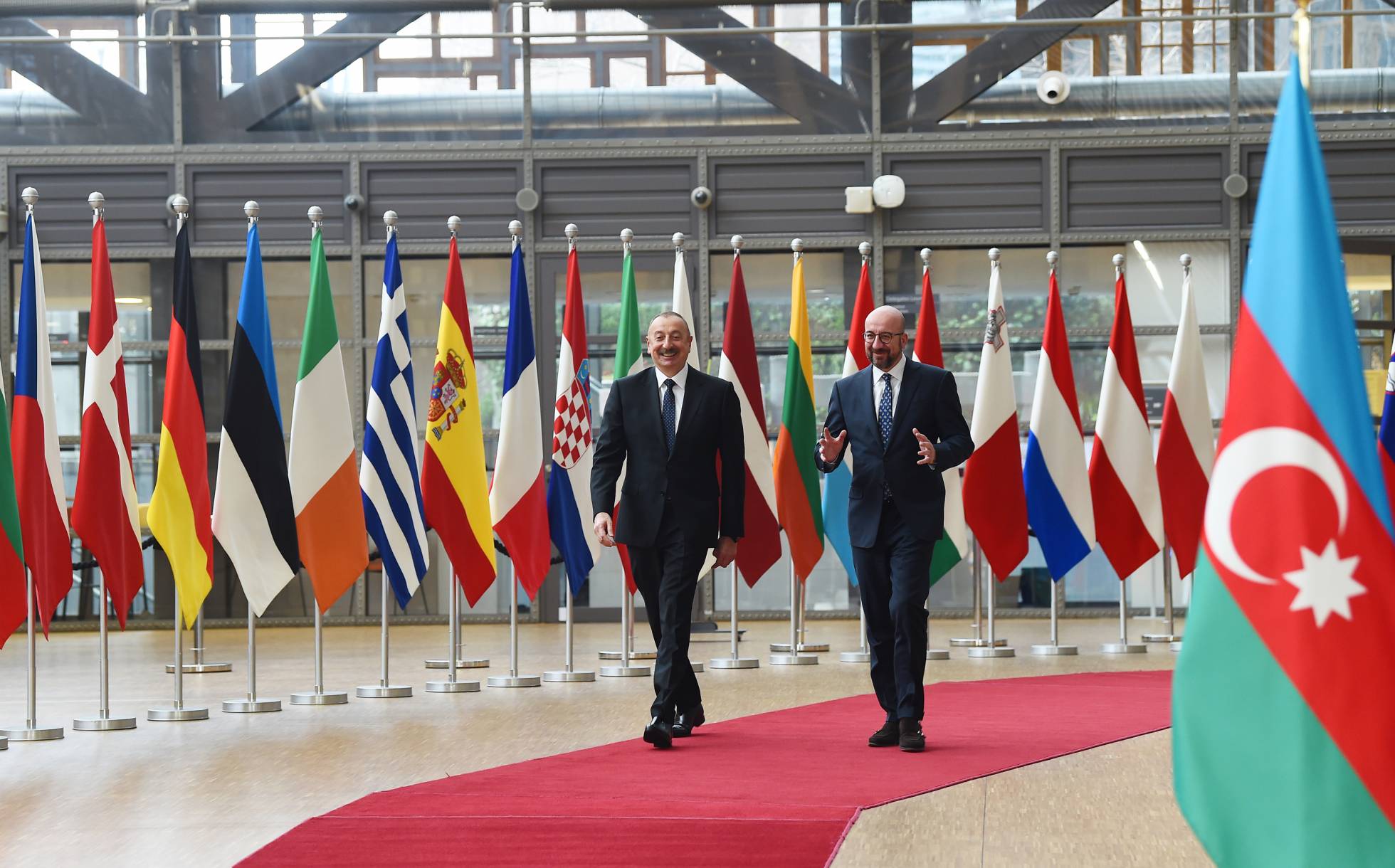
EU Trade Commissioner Maros Sefcovic and China's commerce minister met in Brussels on June 18, 2024, to address a widening trade imbalance [1, 2].
The meeting comes as the European Union seeks to protect its internal market from a surge of low-cost imports. If these discussions fail to produce a resolution, the EU may implement stricter counter-measures to prevent domestic industries from being undercut by foreign competition [1, 3].
Central to the dispute is the significant gap in goods trade between the two powers. The EU goods trade deficit with China reached €360.6 billion in 2025 [4]. This disparity has led Brussels to consider anti-dumping actions, which are designed to penalize companies that export products at prices lower than their home market value [2, 3].
Sefcovic and his Chinese counterpart focused on the systemic causes of this deficit. The EU is pushing for fairer market access and a reduction in the volume of cheap goods entering the bloc, a move aimed at stabilizing the regional economy [1, 4].
While the meeting served as a diplomatic attempt to find common ground, the EU remains focused on the necessity of protecting its industrial base. The potential for trade tariffs or other restrictive measures remains a primary tool for the commission if bilateral talks do not yield a sustainable strategy to close the trade gap [2, 3].
“The EU goods trade deficit with China reached €360.6 billion in 2025.”
The escalating trade tension highlights a strategic shift in the EU's approach toward China, moving from open cooperation to a more protective 'de-risking' strategy. By targeting the trade deficit and exploring anti-dumping measures, the EU is attempting to balance its economic dependency on Chinese imports with the need to preserve its own manufacturing sovereignty.


