A Grundfos report warns that Europe's rapid datacenter expansion could outstrip water supplies and power-grid capacity without improved efficiency planning [1, 2].
The findings highlight a growing tension between the surge in AI-driven cloud computing and the physical limits of European infrastructure. As server farms expand to meet processing demands, their consumption of electricity and water for cooling threatens to exceed the available capacity of local utilities.
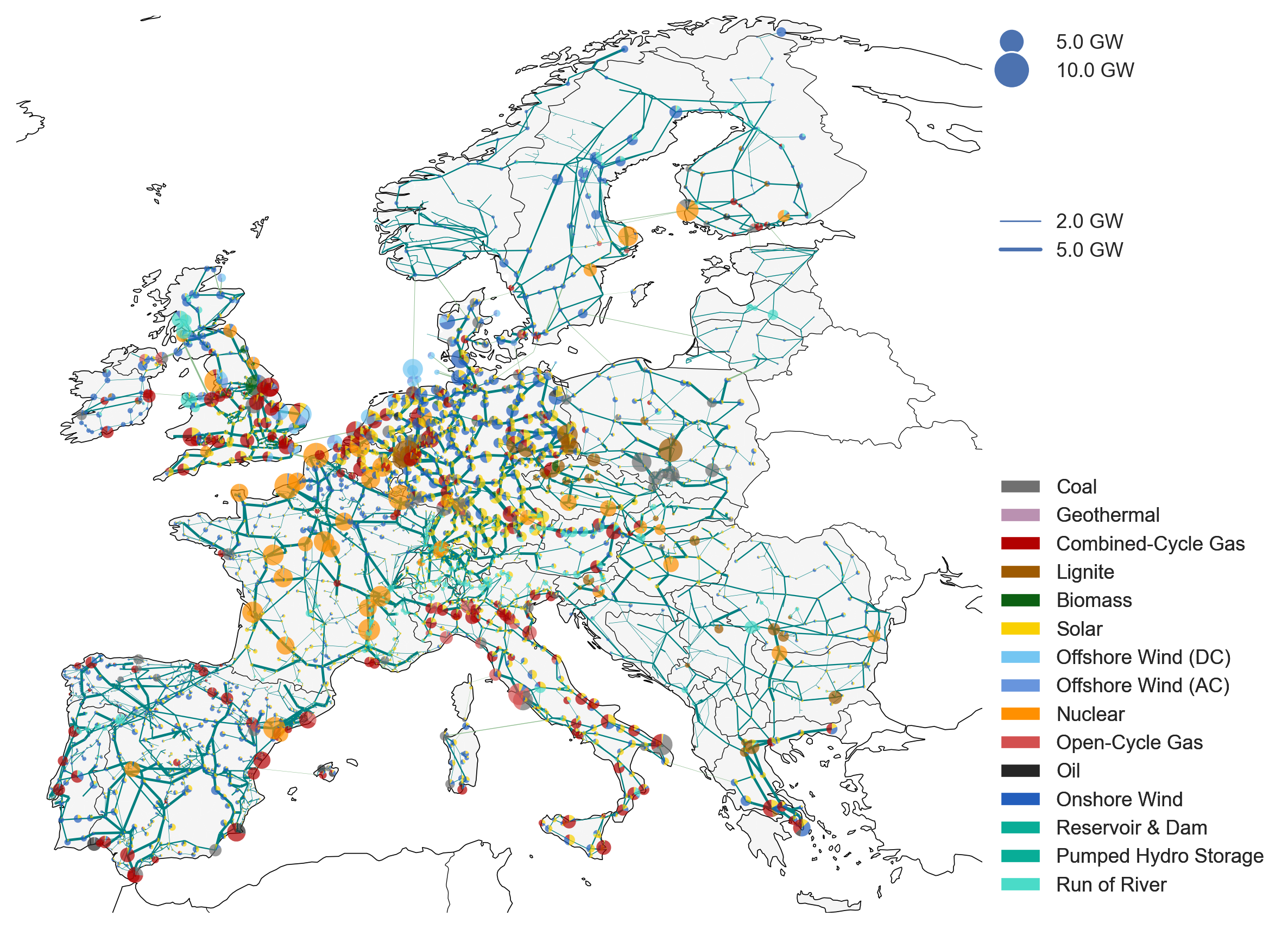
According to the report, the current EU-wide server-farm IT load is approximately 10 GW [2]. This figure is projected to rise to approximately 35 GW by 2030 [2]. The scale of this growth suggests a significant shift in how the continent manages its energy resources.
Currently, datacenters account for approximately three% of total electricity consumption [2]. However, this share is expected to grow to between seven% and nine% by 2030 [2]. The increase is driven by the high energy requirements of large-scale server farms used for artificial intelligence and cloud services.
Water usage remains a critical concern, particularly as cooling systems for these facilities require vast amounts of liquid to prevent hardware failure. The Nordic region, including Finland, Sweden, Norway, and Denmark, has seen a boom in datacenter development due to cooler weather, available land, and lower energy prices [2, 3]. Despite these natural advantages, the report suggests that the overall pace of expansion across the European Union may still create systemic risks.
Grundfos said that water and energy efficiency must be integrated into planning, reporting, and incentives to mitigate these risks [1, 2]. The company said policymakers and regulators should establish stricter guidelines to ensure that the digital transition does not compromise water security or grid stability [1, 2].
“Europe's rapid datacenter expansion could outstrip water supplies and power-grid capacity”
The projected tripling of IT load by 2030 indicates that AI integration is moving faster than the physical infrastructure can support. If regulators do not mandate efficiency standards, the competition for water and power between industrial datacenters and residential needs could lead to localized shortages or increased energy costs across the EU.