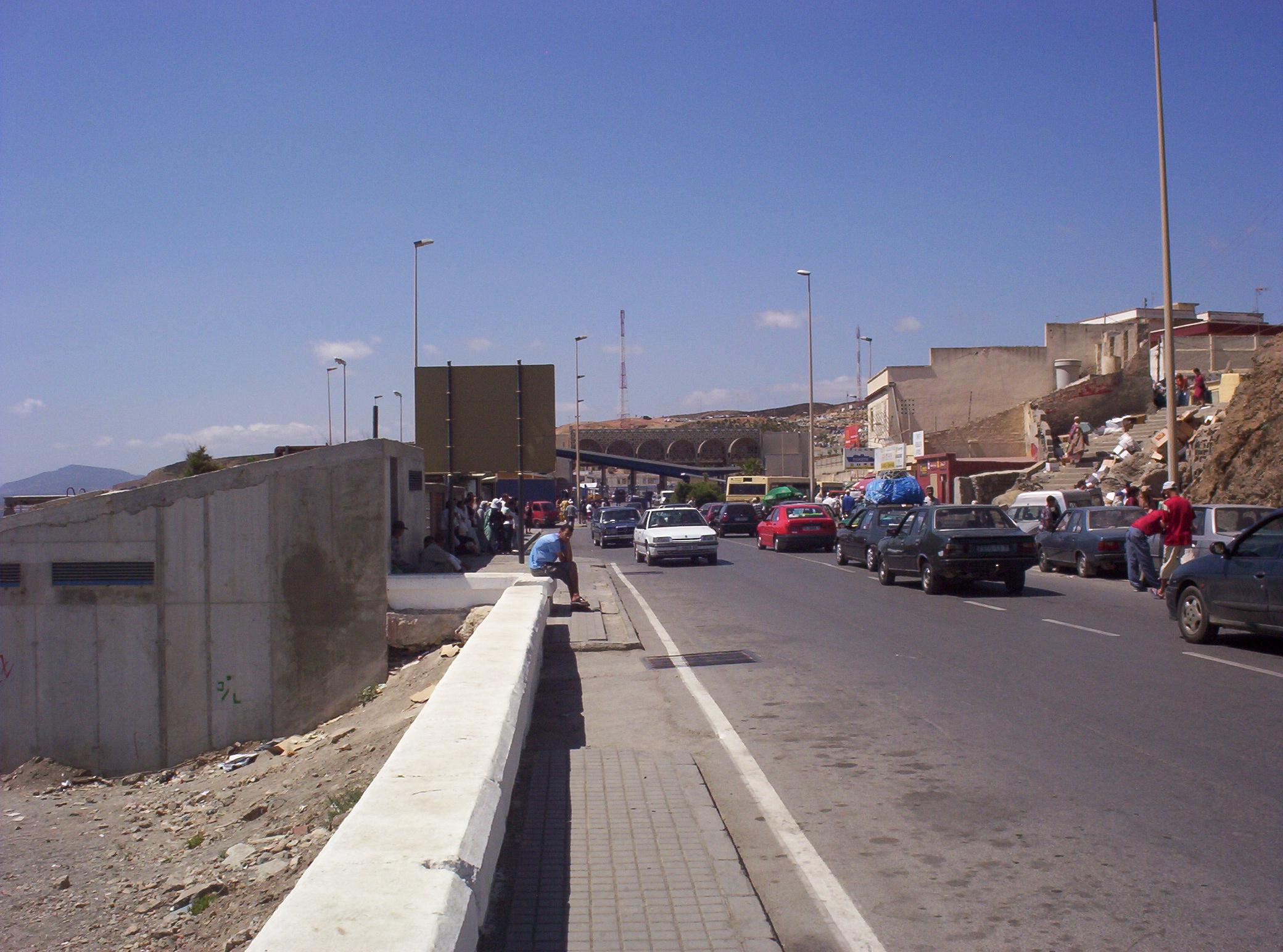
European Union officials will hold an emergency video conference Tuesday to address a massive surge of migrants crossing into the Spanish enclave of Ceuta [1].
The meeting follows a humanitarian crisis that has reignited the immigration debate across Europe. The scale of the breach and the resulting loss of life have pressured EU leadership to coordinate a response with Spain and Morocco [1, 2].
Tens of thousands of migrants breached the border earlier this week [1]. The influx occurred after Spain installed a sea barrier measuring 500 meters [1]. Despite the physical deterrent, the crossing attempts continued, resulting in at least 67 deaths [1, 2].
Ceuta, a Spanish territory located on the North African coast, has become a focal point for those attempting to enter the European Union. The recent events highlight the volatility of the region and the limitations of physical barriers in stopping large-scale migration movements [1, 2].
EU officials intend to use the Tuesday session to discuss the immediate security situation and the legal frameworks governing the border [1]. The discussions will focus on how to manage the flow of people while addressing the humanitarian failure that led to the recent fatalities [1, 2].
Spain has faced increasing pressure to secure its external borders, but the recent tragedy has shifted the conversation toward the efficacy of sea barriers, and the necessity of diplomatic agreements with neighboring North African nations [1, 2].
“Tens of thousands of migrants breached the border earlier this week.”
The emergency meeting signals that the EU views the Ceuta breach not as a localized Spanish border issue, but as a systemic failure of regional migration control. The death toll of 67 people underscores the lethal risks migrants take to bypass physical barriers, suggesting that infrastructure like the 500-meter sea barrier may not deter migration flows but rather increase the danger of the journey.


