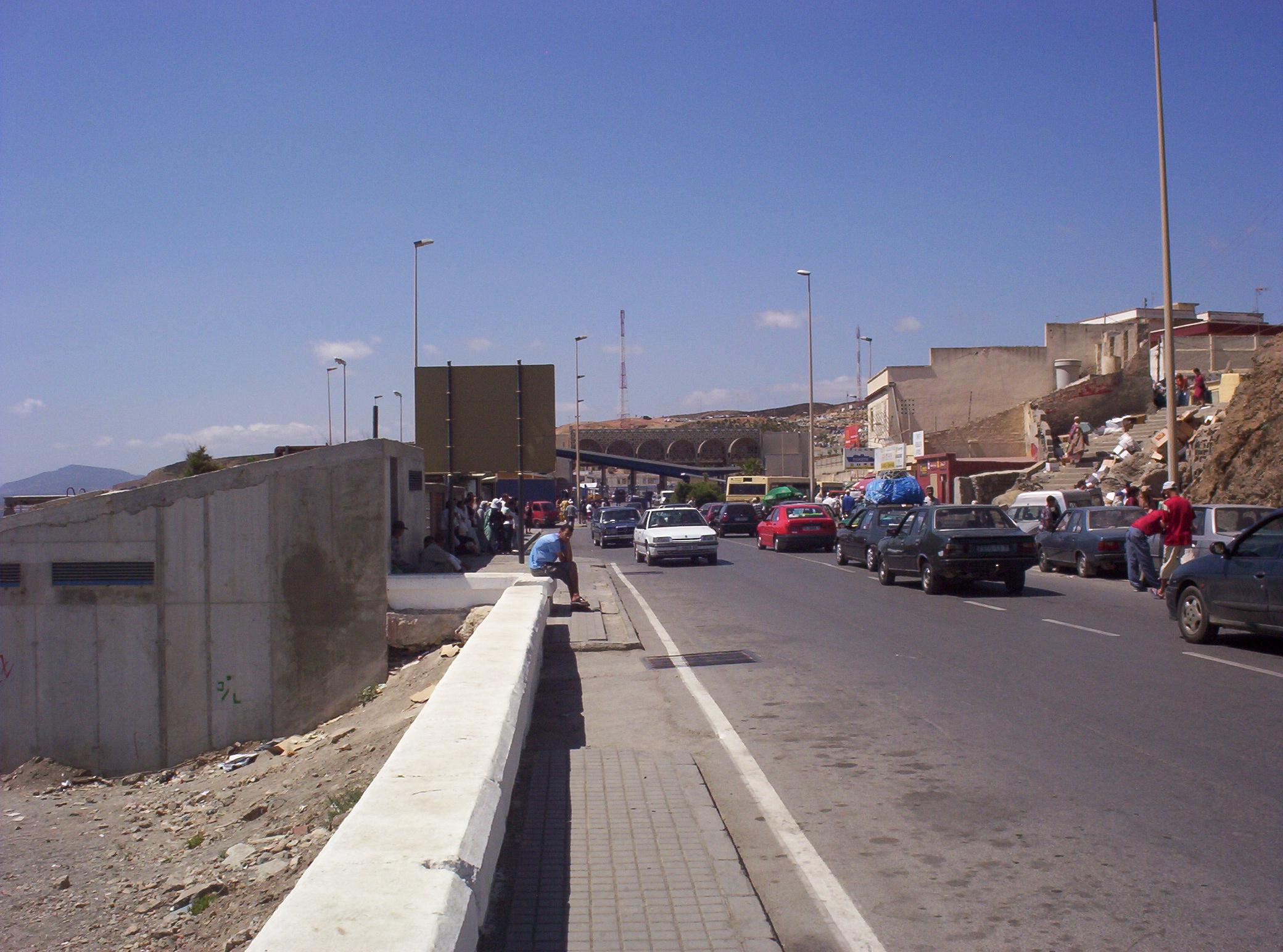
The European Union has scheduled emergency talks to address a recent surge of migrants crossing into the Spanish enclave of Ceuta [1].
This movement threatens to deepen existing divisions among EU member states regarding the management of external borders and the distribution of responsibility for asylum seekers. The situation highlights the fragility of border security agreements between the bloc and North African nations.
The emergency discussions follow a sharp increase in migrants attempting to enter the enclave from Morocco on July 30, 2024 [1]. Ceuta, located on the North African coast, serves as a critical gateway into the EU, making it a focal point for migration pressure and geopolitical tension.
Twenty-two EU member states have called for coordinated action to strengthen the bloc's external borders [1]. These nations are pushing for a unified strategy to prevent similar surges and to ensure that border controls are applied consistently across all entry points.
The talks in Brussels will focus on how to address the current crisis while managing the long-term divisions over border policy. Member states remain split on the balance between strict security measures, and the humanitarian obligations tied to international law.
Spain and Morocco remain the primary actors in the immediate region, as the EU seeks to leverage diplomatic channels to stabilize the flow of people. The outcome of these talks could determine whether the EU adopts a more centralized border management system or continues to rely on individual member state initiatives.
“The EU called an emergency meeting to discuss the recent surge of migrants crossing into the Spanish enclave of Ceuta.”
The call for emergency talks by 22 member states indicates a growing appetite for a more centralized and militarized approach to EU external borders. This shift suggests that the bloc may prioritize security and deterrence over the decentralized, state-led approach previously favored by some members, potentially straining diplomatic relations with Morocco.


