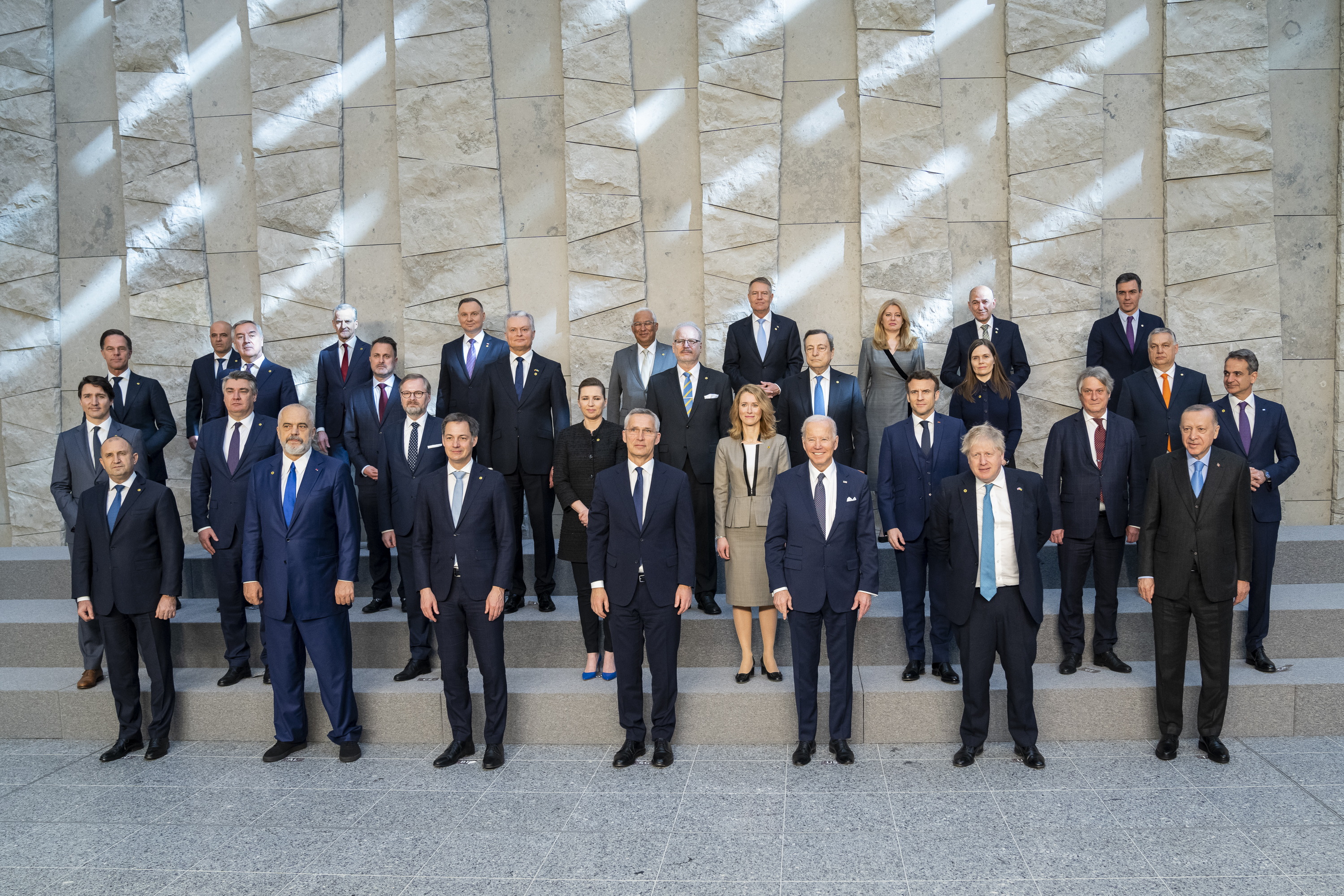
EU foreign ministers gathered in Brussels on July 13, 2026 [1] for a Foreign Affairs Council meeting to discuss regional conflicts.
The meeting arrives as the European Union seeks to coordinate its strategic response to overlapping security crises in the Black Sea and the Middle East. The outcomes of these discussions could dictate the scale of EU diplomatic and military support for affected regions.
EU High Representative for Foreign Affairs and Security Policy Kaja Kallas chaired the session. The agenda focused on the wars in Iran and Ukraine, as well as the broader EU strategy regarding the Black Sea [2].
Officials are addressing Russia's ongoing war of aggression against Ukraine [3]. The discussions aim to solidify a collective European front against Russian aggression and ensure the stability of maritime routes in the Black Sea [2].
While official EU Council documentation primarily emphasizes the conflict in Ukraine [3], other reports indicate that the war in Iran is also a central pillar of the current discussions [2]. The ministers are evaluating how these two conflicts intersect and impact global security.
Brussels serves as the hub for these deliberations, where member states must align their foreign policies to present a unified voice on the international stage. The council is tasked with balancing immediate humanitarian needs with long-term strategic deterrence [2].
“EU foreign ministers gathered in Brussels on July 13, 2026”
The inclusion of Iran alongside Ukraine on the EU's priority agenda suggests a shift toward a more comprehensive security framework. By addressing both the Black Sea strategy and Middle Eastern instability simultaneously, the EU is acknowledging that regional conflicts are no longer isolated, but rather interconnected threats to European stability.


