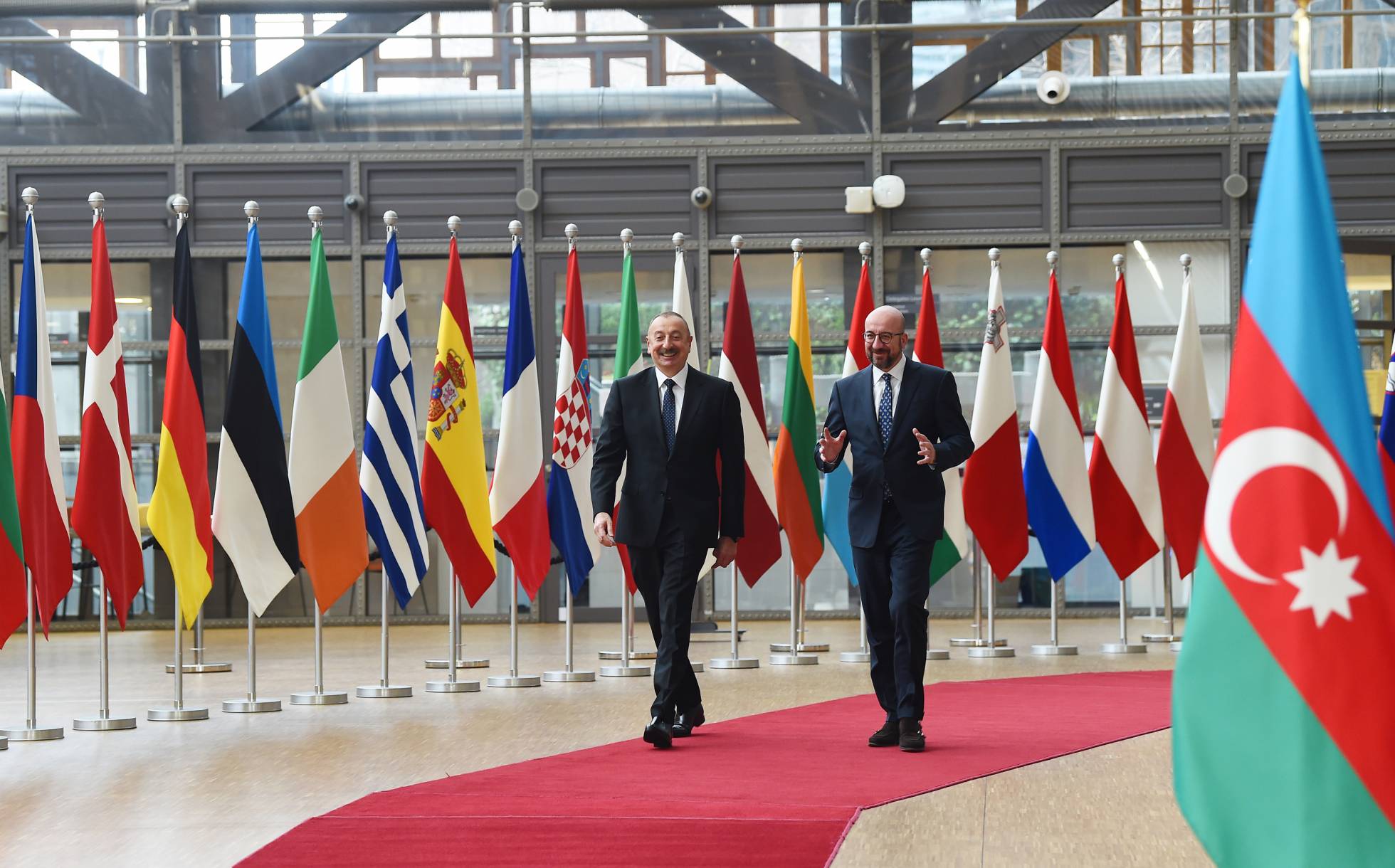
European Union leaders gathered in Brussels on June 18 to discuss the war in Ukraine, Chinese competition, and the bloc's next long-term budget.
The summit represents a critical effort to synchronize the EU's geopolitical strategy as it balances military support for Ukraine with escalating economic tensions with China. The outcome of these meetings will determine the financial capacity of the union for years to come.
Commission President Ursula von der Leyen and other heads of state and government are negotiating the Multiannual Financial Framework. The total size of the next long-term budget is estimated at €2 trillion [1]. However, specific proposals vary between EU institutions. The European Commission proposed a budget of €1.8 trillion [2], while the European Parliament has demanded €1.96 trillion [3]. This creates a budget gap of €175 billion [4] that leaders must resolve.
Beyond finances, the summit focuses on the ongoing conflict in Ukraine. Leaders are considering the extension of EU sanctions against Russia for another 12 months [5]. This move aims to maintain consistent pressure on Moscow while ensuring the continued stability of Ukrainian defense efforts.
Trade policy is also a primary agenda item. The EU is addressing what it describes as unfair competition from China. Von der Leyen said she has sought and received a go-ahead from leaders to pursue tougher action regarding Chinese economic practices. The bloc intends to protect its internal market from distorted trade patterns that threaten European industries.
The meetings at the European Council headquarters serve as the primary venue for coordinating these multi-faceted responses. By aligning their fiscal and foreign policies, the member states hope to project a unified front against external economic and security threats.
“The total size of the next long-term budget is estimated at €2 trillion.”
The convergence of a record-breaking budget negotiation and a pivot toward a more aggressive trade posture indicates that the EU is shifting from a primarily trade-focused entity to a more assertive geopolitical actor. The significant gap between the Commission and Parliament regarding the budget reflects internal tension over how to fund the bloc's ambitions while managing the economic strain of the war in Ukraine.


